Information
Landmark: Kinabalu ParkCity: Kota Kinabalu
Country: Malaysia
Continent: Asia
Kinabalu Park, Kota Kinabalu, Malaysia, Asia
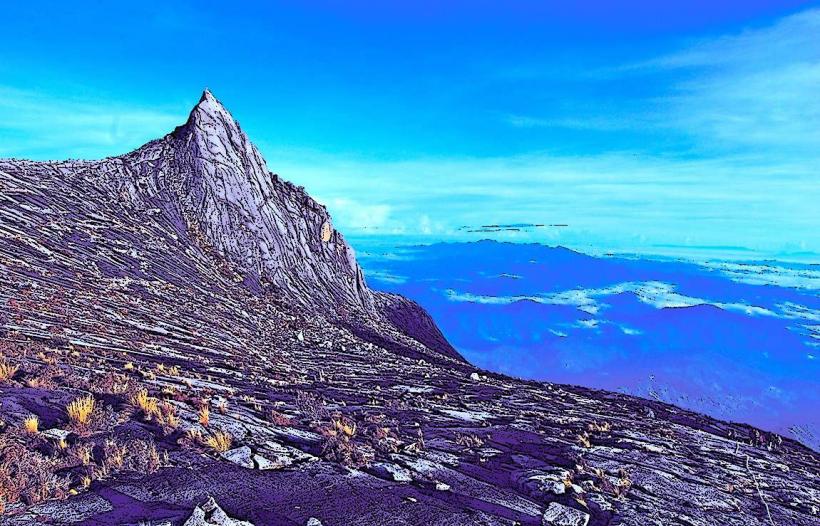
Kinabalu Park is a UNESCO World Heritage Site located in the Malaysian state of Sabah, on the island of Borneo. It is primarily known for Mount Kinabalu, Southeast Asia's highest peak.
Visual Characteristics
The park encompasses a diverse range of ecosystems, from lowland rainforests to montane forests and alpine scrub. Mount Kinabalu itself is a granite massif with a distinctive summit plateau. Vegetation varies significantly with altitude, featuring dense tropical trees, ferns, orchids, rhododendrons, and mosses at higher elevations. Rivers and streams are present throughout the park, with water clarity dependent on rainfall.
Location & Access Logistics
Kinabalu Park is situated approximately 90 kilometers north of Kota Kinabalu city. Access is via the Kota Kinabalu-Ranau Highway (Federal Route 1). The journey by car typically takes 1.5 to 2 hours. Public buses operate from the Inanam Bus Terminal in Kota Kinabalu to Kundasang, the town nearest the park entrance. Taxis and private car hire are also available. Parking is available at the park headquarters and various trailheads. The park entrance fee is required for entry.
Historical & Ecological Origin
Kinabalu Park was established in 1964 and designated a UNESCO World Heritage Site in 2000. Its ecological significance lies in its exceptional biodiversity, hosting an estimated 5,000 to 6,000 species of plants, including over 1,000 species of orchids and 79 species of figs. The park is also home to a significant number of endemic species. Mount Kinabalu is geologically composed of igneous rock, primarily granite, formed by tectonic uplift millions of years ago.
Key Highlights & Activities
Activities include hiking various trails within the park, such as the Silau Silau Trail, Kiau View Trail, and the Botanical Garden Trail. Guided nature walks are available. Climbing Mount Kinabalu requires a permit and is a multi-day trek. Birdwatching is a popular activity due to the park's diverse avian population. Visiting the exhibition centers and botanical gardens provides insights into the park's flora and fauna.
Infrastructure & Amenities
The park headquarters offers visitor facilities including restrooms, a restaurant, and a shop selling souvenirs and basic necessities. Accommodation options range from chalets and dormitories within the park to hotels and guesthouses in nearby Kundasang. Cell phone signal (4G) is generally available in the vicinity of the park headquarters but can be intermittent on trails. Shaded areas are available at designated rest points and visitor centers.
Best Time to Visit
The best months for visiting Kinabalu Park are generally from March to October, which falls within the drier season. However, rainfall can occur year-round. For climbing Mount Kinabalu, the dry season offers more favorable conditions. The best time of day for photography depends on the specific location; early morning light can be good for capturing mist in the valleys, while late afternoon light can illuminate the mountain slopes. High tide is not a relevant factor for this terrestrial park.
Facts & Legends
Mount Kinabalu is considered a sacred place by the indigenous Kadazan-Dusun people, who believe the spirits of their ancestors reside there. Local legend suggests that the mountain is a resting place for the spirits of their ancestors. A specific tip for visitors is to acclimatize to the altitude gradually, especially if planning to climb the mountain, to mitigate the effects of altitude sickness.
Nearby Landmarks
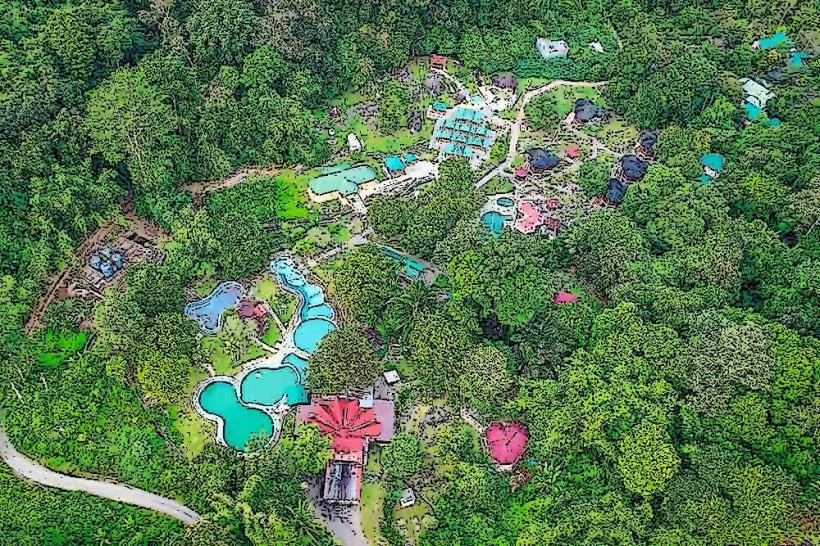
- Poring Hot Springs (5.0km Southeast)
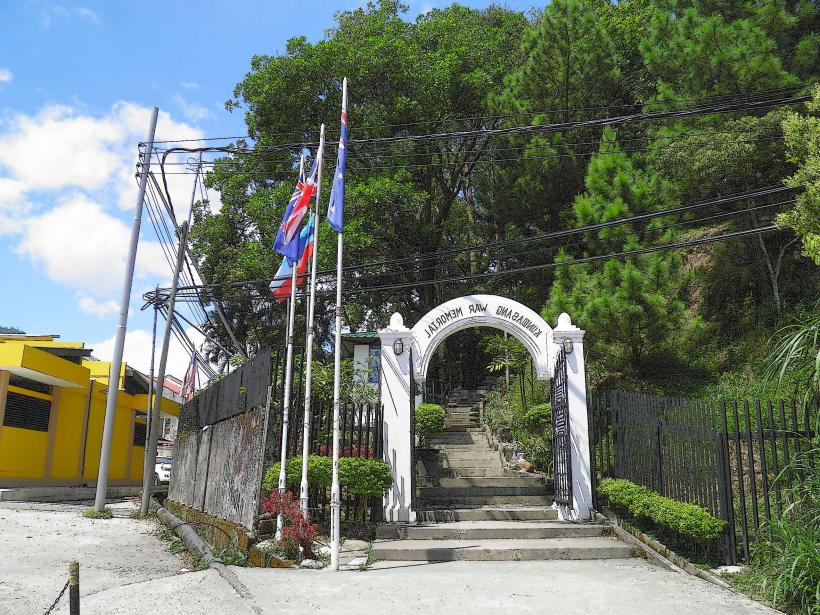
- Kundasang War Memorial (2.0km Southwest)
- Mount Kinabalu Golf Club (3.0km Southwest)
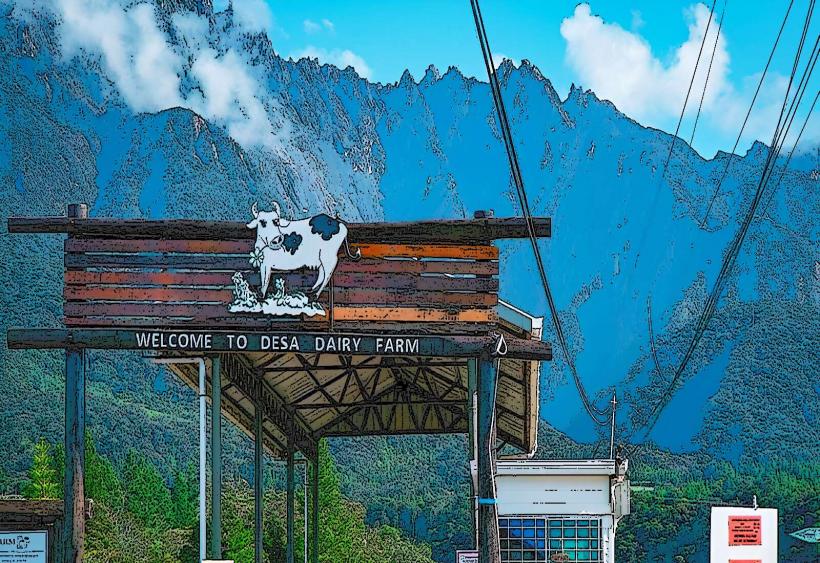
- Desa Cattle Dairy Farm (4.0km Southwest)