Landmark: Kolkhida Wetlands (Colchic Wetlands)
City: Poti
Country: Georgia
Continent: Asia
Kolkhida Wetlands (Colchic Wetlands), Poti, Georgia, Asia
The Kolkhida Wetlands, also known as the Colchic Wetlands, is a protected area situated near the city of Poti in western Georgia.
This extensive wetland system encompasses a significant portion of the Kolkhida Lowland, characterized by its marshy terrain and diverse aquatic habitats.
Visual Characteristics
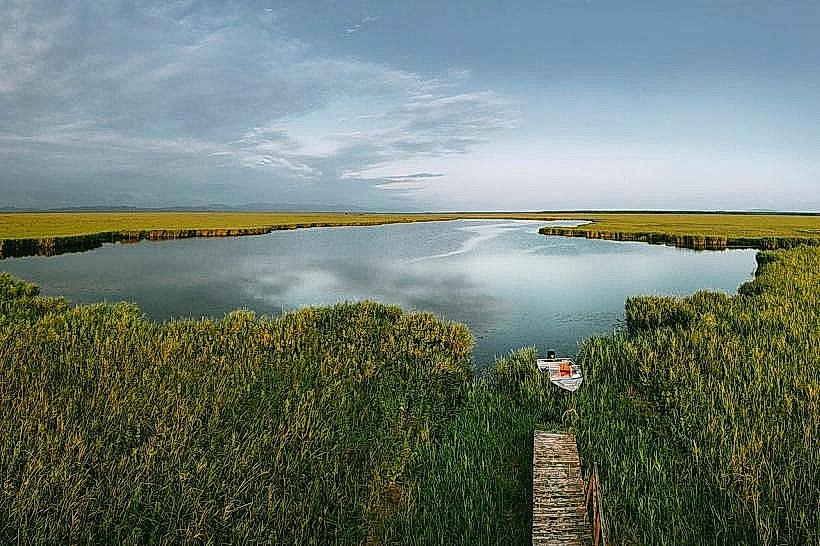
The wetlands are dominated by shallow freshwater marshes, reed beds, and slow-moving rivers and channels. Vegetation is dense, primarily consisting of reeds, sedges, and various aquatic plants. The water color varies from murky brown to greenish depending on sediment load and algal growth. The landscape is generally flat with occasional small islands of higher ground.
Location & Access Logistics
The Kolkhida Wetlands are located approximately 5 kilometers west of Poti. Access is primarily via local roads branching off the main E60 highway towards the coast. Several unpaved tracks lead into the wetland areas, suitable for 4x4 vehicles. Public transport to Poti is available via bus and train. From Poti, local taxis or pre-arranged transport are the most practical options for reaching specific access points within the wetlands. There is no designated public parking; vehicles are typically parked at informal pull-offs along access tracks.
Historical & Ecological Origin
The Kolkhida Lowland is a geologically recent formation, primarily composed of alluvial deposits from the Rioni River and coastal erosion. The wetlands are a remnant of the ancient Colchis, a historical kingdom. Ecologically, they represent a significant coastal plain wetland ecosystem, crucial for biodiversity and hydrological regulation.
Key Highlights & Activities
Birdwatching is a primary activity, with numerous resident and migratory species present. Boat tours on the Rioni River and its tributaries offer access to deeper wetland areas. Hiking is possible on designated or informal trails around the periphery of the wetlands, though much of the interior is waterlogged. Photography opportunities focus on avian life and the unique wetland landscape.
Infrastructure & Amenities
Infrastructure within the wetlands is minimal. There are no dedicated visitor centers, restrooms, or food vendors directly within the protected area. Basic amenities like cell phone signal (2G/3G) may be intermittent in certain sections. Shade is provided by scattered trees on higher ground and dense vegetation along water edges.
Best Time to Visit
The best time for birdwatching is during the spring (March-May) and autumn (September-November) migration periods. For general exploration and photography, late spring and early autumn offer pleasant temperatures. Water levels can fluctuate significantly, impacting accessibility; the dry season (summer) may reduce water coverage in some areas, while the wet season (winter/spring) can increase it.
Facts & Legends
The Kolkhida Wetlands are part of the Ramsar Convention on Wetlands, recognized for their international importance. Local folklore connects the area to the myth of the Golden Fleece, with the Rioni River believed to have once carried gold dust.
Nearby Landmarks
- Poti Sea Port (1.5km East)
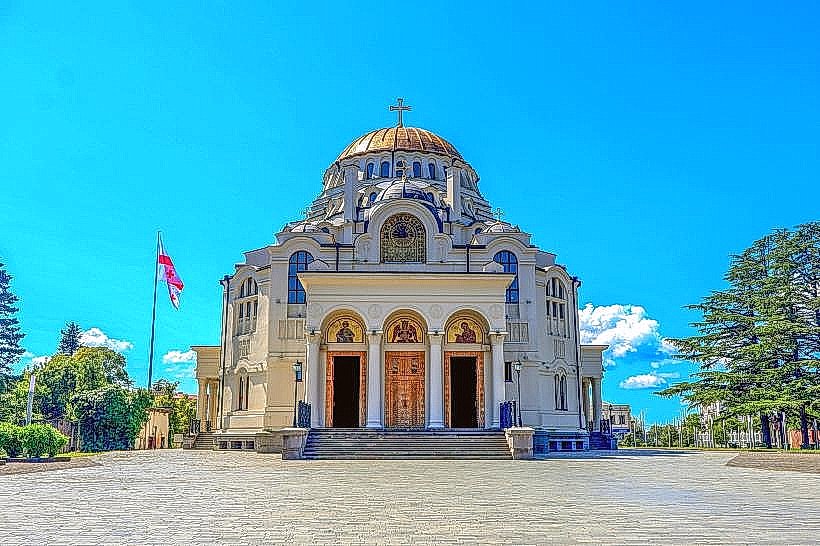
- Poti Cathedral (3km East)
- Poti Botanical Garden (4km Southeast)
- Black Sea Coastline (2km West)