Landmark: Pichori Fortress
City: Poti
Country: Georgia
Continent: Asia
Pichori Fortress, Poti, Georgia, Asia
Pichori Fortress is a historical fortification situated on the eastern Black Sea coast of Georgia, near the city of Poti.
This defensive structure was designed to control maritime access and protect the surrounding territory.
Visual Characteristics
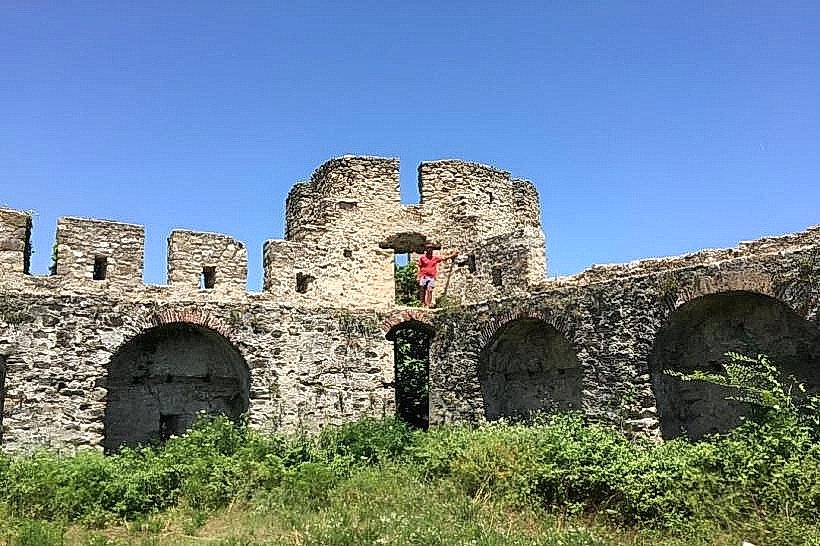
The fortress is constructed primarily from rough-hewn stone blocks, exhibiting a weathered grey and brown coloration. Its walls stand at an average height of 8 meters, with a thickness of approximately 2 meters. The architectural style is characteristic of medieval Georgian defensive architecture, featuring crenellated battlements and strategically placed watchtowers. The ground within the fortress perimeter is largely unpaved earth and scattered stone debris.
Location & Access Logistics
Pichori Fortress is located approximately 5 kilometers east of Poti's city center. Access is via the Poti-Khobi highway (S2). Turn off the highway onto a gravel road marked by local signage directing towards the fortress. The gravel road is approximately 1.5 kilometers long and is passable by standard vehicles in dry conditions. Parking is available on an open, unpaved area adjacent to the fortress entrance. Public transport options directly to the fortress are limited; however, local buses to the Poti-Khobi highway are available from Poti, requiring a subsequent walk or taxi from the highway turn-off.
Historical & Ecological Origin
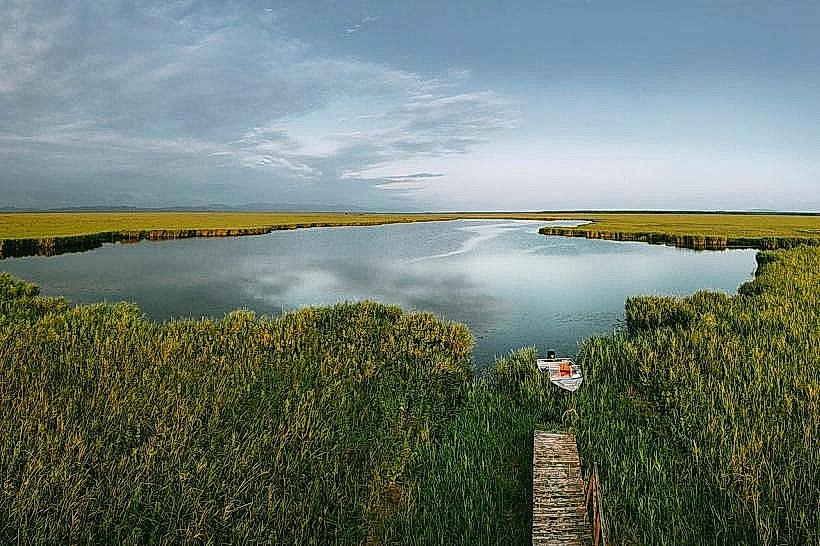
Construction of Pichori Fortress is attributed to the 16th century, likely initiated during the period of Ottoman influence in the region. Its primary purpose was to serve as a military outpost and a point of control over the Pichori River estuary and the adjacent coastline. The site is situated on a low-lying coastal plain, historically prone to marshland and dense vegetation.
Key Highlights & Activities
Exploration of the fortress ruins is the primary activity. Visitors can walk along the remaining sections of the outer walls and examine the interior structures. Identifying the remnants of watchtowers and the main gate provides insight into its defensive layout. The surrounding area offers opportunities for observing local flora and fauna.
Infrastructure & Amenities
There are no formal infrastructure or amenities at Pichori Fortress. Restrooms, shade structures, and food vendors are not present. Cell phone signal (4G/5G) is intermittent and generally weak within the fortress perimeter.
Best Time to Visit
The optimal time for visiting Pichori Fortress is during the late spring (April-May) or early autumn (September-October) to avoid the summer heat and potential winter rainfall. Mid-morning (9:00 AM - 11:00 AM) offers good natural light for photography without harsh shadows. Access via the gravel road is best in dry weather; heavy rain can make it muddy and difficult to traverse.
Facts & Legends
Local folklore suggests that the fortress was built on the site of an older, pre-Ottoman defensive structure, though archaeological evidence for this is limited. A specific historical detail is the reported use of the fortress as a temporary refuge by local populations during periods of conflict.
Nearby Landmarks
- Poti Cathedral (0.8km West)
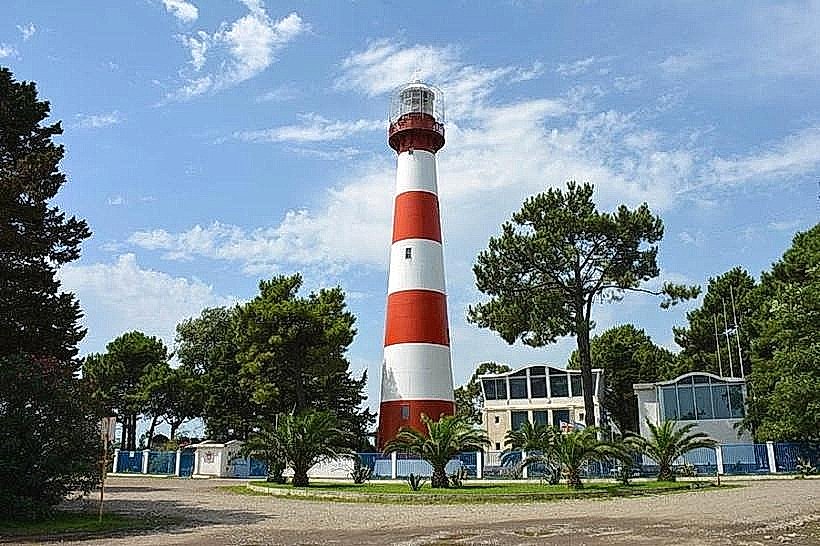
- Poti Lighthouse (1.2km Southwest)
- Poti Port (1.5km West)
- Poti Botanical Garden (3.5km Southwest)