Landmark: Labuhan Batu
City: Medan
Country: Indonesia
Continent: Asia
Labuhan Batu, Medan, Indonesia, Asia
Labuhan Batu is a historical site located in Medan, North Sumatra, Indonesia. It comprises the remnants of a former Dutch colonial plantation and administrative center.
Visual Characteristics
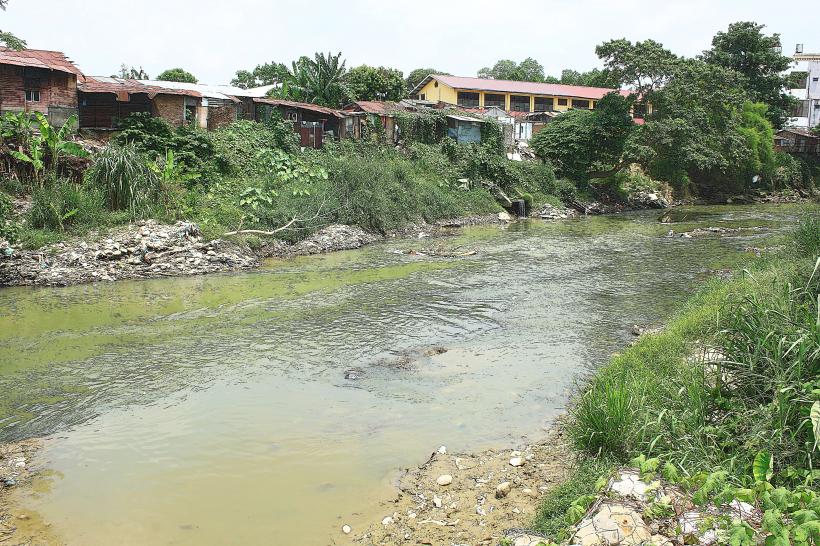
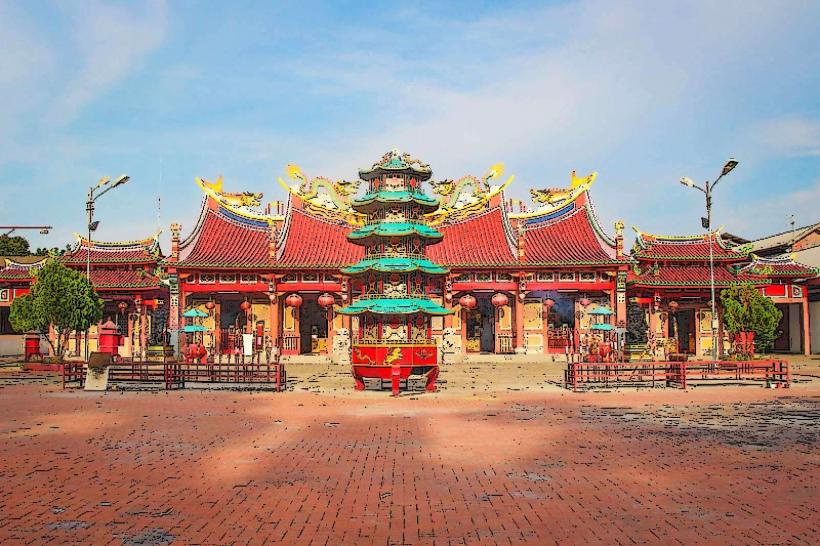
The site features the ruins of several brick buildings, primarily constructed from red brick. These structures exhibit signs of decay, with exposed brickwork and missing roof sections. Vegetation, including trees and vines, has encroached upon and partially covered some of the remaining walls. The overall aesthetic is one of historical decay and natural reclamation.
Location & Access Logistics
Labuhan Batu is situated approximately 100 kilometers south of Medan city center. Access is via the Trans-Sumatra Highway (Jalan Lintas Sumatra) heading towards Rantau Prapat. Turn off onto local roads marked for Labuhan Batu. The site is accessible by private vehicle. Parking is available on-site, typically on unpaved areas near the main ruins. Public transport options are limited; long-distance buses traveling between Medan and Rantau Prapat may stop near the turn-off, requiring a local taxi or motorcycle taxi for the final segment.
Historical & Ecological Origin
The site originated as a Dutch East Indies plantation, established in the late 19th century, primarily for tobacco cultivation. The administrative buildings and worker housing were constructed to support this agricultural enterprise. The land itself is part of the low-lying coastal plains of North Sumatra, characterized by fertile alluvial soil suitable for agriculture.
Key Highlights & Activities
Exploration of the remaining brick structures, including the former administrative offices and manager's residence. Observation of the architectural style of colonial-era buildings. Photography of the ruins and surrounding vegetation. Walking the grounds to understand the layout of the former plantation.
Infrastructure & Amenities
Restrooms are not consistently available or maintained. Shade is provided by mature trees on the property. Cell phone signal (4G/5G) is generally weak to non-existent within the immediate vicinity of the ruins. No food vendors are present on-site; visitors should bring their own provisions.
Best Time to Visit
The best time of day for photography is during the early morning or late afternoon when the sunlight creates longer shadows and highlights the textures of the brickwork. The dry season, from June to September, offers the most favorable weather conditions with less rainfall. There are no tidal considerations for visiting this inland site.
Facts & Legends
A specific historical detail is that the tobacco grown at Labuhan Batu was highly prized for its quality and exported to Europe. Local lore sometimes speaks of the lingering presence of former plantation managers, though these are unsubstantiated accounts.
Nearby Landmarks
- Rantau Prapat City Center (approx. 20km Southwest)
- Tanjung Morawa National Park (approx. 70km North)
- Lake Toba (various access points, approx. 150km+ Northeast)