Landmark: Lugares Turísticos del Chaco
City: Filadelfia
Country: Paraguay
Continent: South America
Lugares Turísticos del Chaco, Filadelfia, Paraguay, South America
Lugares Turísticos del Chaco is a designation for a region in the Chaco Boreal of Paraguay, encompassing various natural and historical sites. This area is located west of the Paraguay River, primarily within the Boquerón and Alto Paraguay departments.
Visual Characteristics
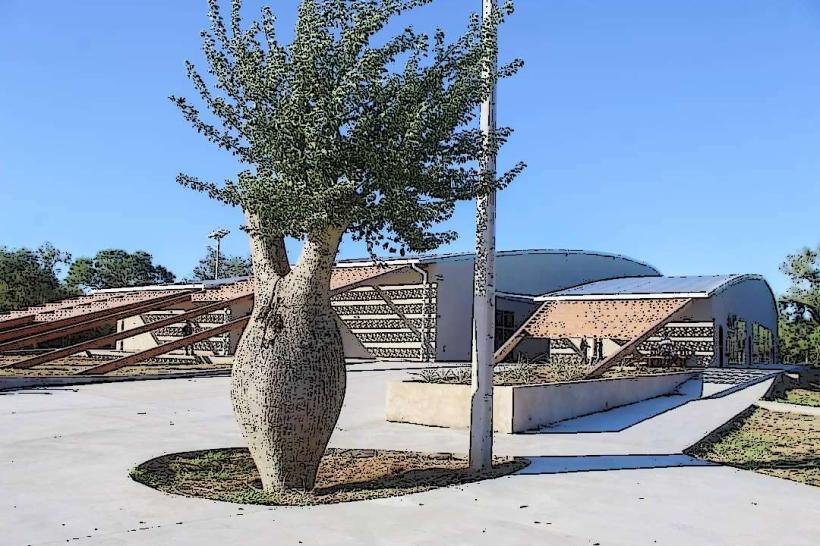
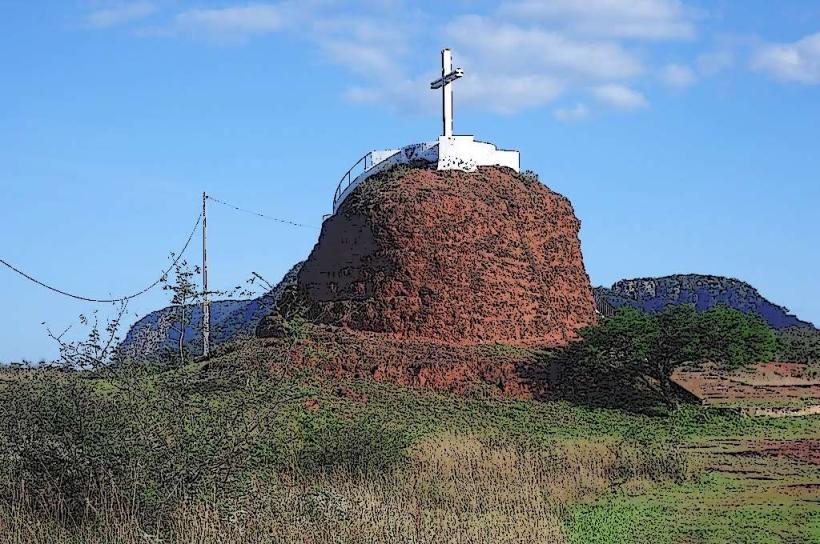
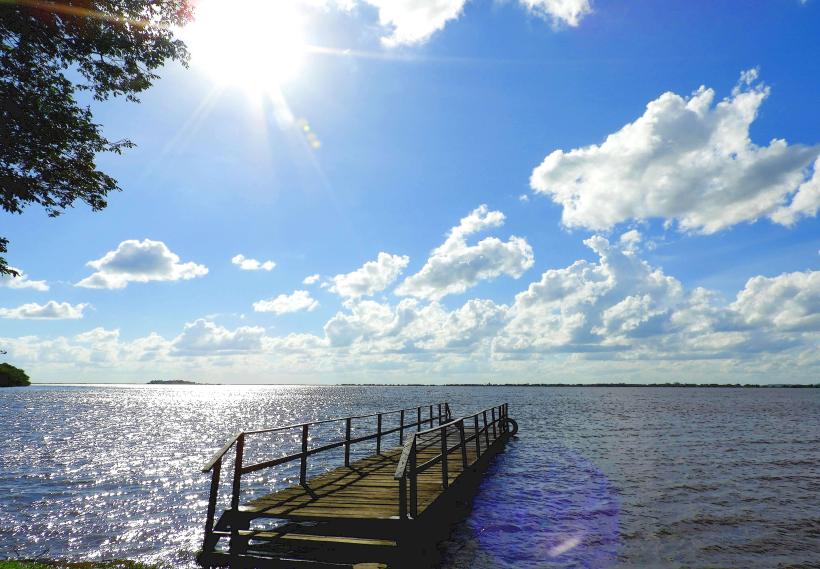
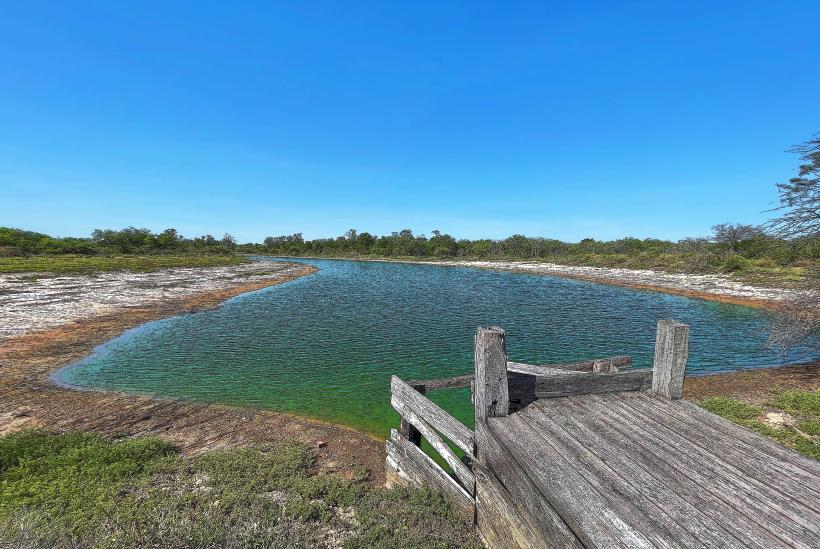
The Chaco Boreal is characterized by its extensive dry forests, savannas, and wetlands. Vegetation varies from dense thorny scrubland to open grasslands with scattered trees. Soil types are predominantly sandy or clayey. Wildlife includes capybaras, caimans, and a variety of bird species. The landscape is generally flat to gently rolling.
Location & Access Logistics
Access to the Chaco region is primarily via Route 9 (Ruta Transchaco) from Asunción. Filadelfia, a central town, is approximately 450 km northwest of Asunción. Paved road extends to Mariscal Estigarribia, with unpaved but generally passable roads branching out to specific points of interest. Vehicle access can be challenging during the rainy season (November to March) due to potential flooding and mud. Limited public bus services operate along Route 9 to towns like Filadelfia and Mariscal Estigarribia. Private vehicle rental is recommended for exploring the broader region.
Historical & Ecological Origin
The Chaco Boreal is an ecological region defined by its semi-arid climate and unique biodiversity. Historically, it was inhabited by indigenous Guaycuru peoples. European settlement began in the late 19th and early 20th centuries, with Mennonite colonies establishing agricultural communities. The region's geological formation is primarily sedimentary, with alluvial deposits from ancient river systems.
Key Highlights & Activities
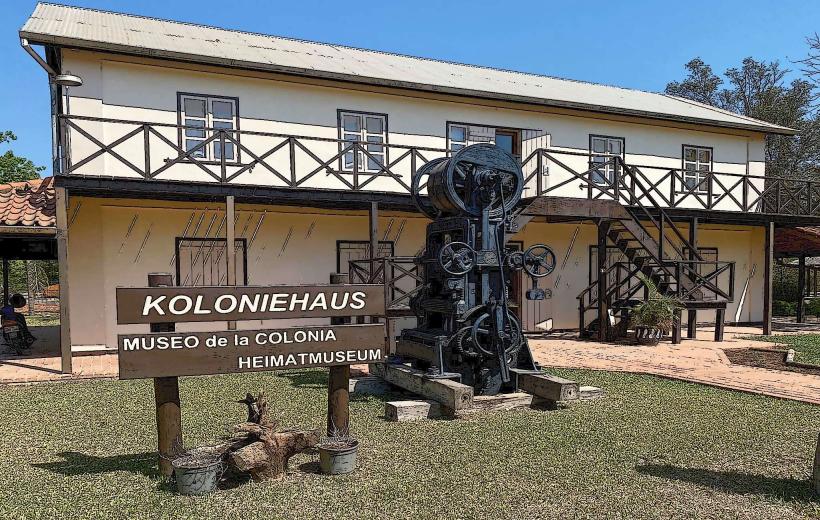
Activities include wildlife observation, birdwatching, and exploring the unique flora. Visits to historical Mennonite colonies like Filadelfia and Loma Plata offer insight into the region's settlement history. Hiking is possible on designated trails in protected areas, though many areas require off-road vehicle access. Photography of the natural landscape and wildlife is a primary activity.
Infrastructure & Amenities
Basic infrastructure is concentrated in towns like Filadelfia and Mariscal Estigarribia, offering hotels, restaurants, and fuel stations. Cell phone signal (2G/3G) is available in these towns but is unreliable in remote areas. Restrooms and shade are generally available at established tourist points or within towns. Food vendors are limited to towns and specific roadside stops.
Best Time to Visit
The dry season, from April to October, is the most suitable period for visiting due to more predictable road conditions and lower temperatures. Daytime temperatures can exceed 40°C (104°F) during summer months (December to February). The best time of day for wildlife viewing is typically early morning and late afternoon.
Facts & Legends
The Chaco is known for its resilience, with many plant and animal species adapted to extreme drought. A notable historical oddity is the establishment of large, self-sufficient Mennonite colonies that maintain distinct cultural and agricultural practices. A visitor tip is to carry sufficient water and fuel when traveling between settlements, as distances can be significant and services are sparse.
Nearby Landmarks
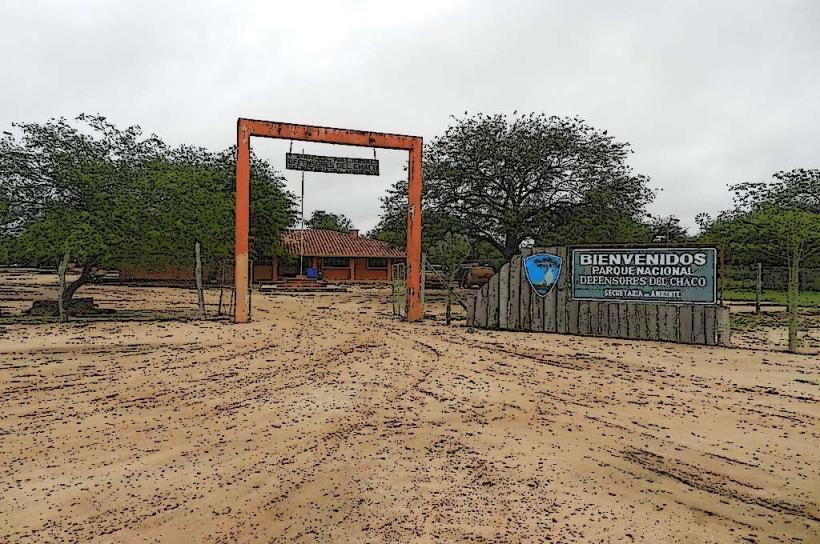
- Defensores del Chaco National Park (150km Northwest)
- Chaco Museum (Filadelfia) (0.5km West)
- Loma Plata Mennonite Colony (40km Southwest)
- Fortín Toledo (100km West)
- Fortín General Díaz (80km Southwest)