Landmark: Manta Reef
City: Shaviyani Atoll
Country: Maldives
Continent: Asia
Manta Reef, Shaviyani Atoll, Maldives, Asia
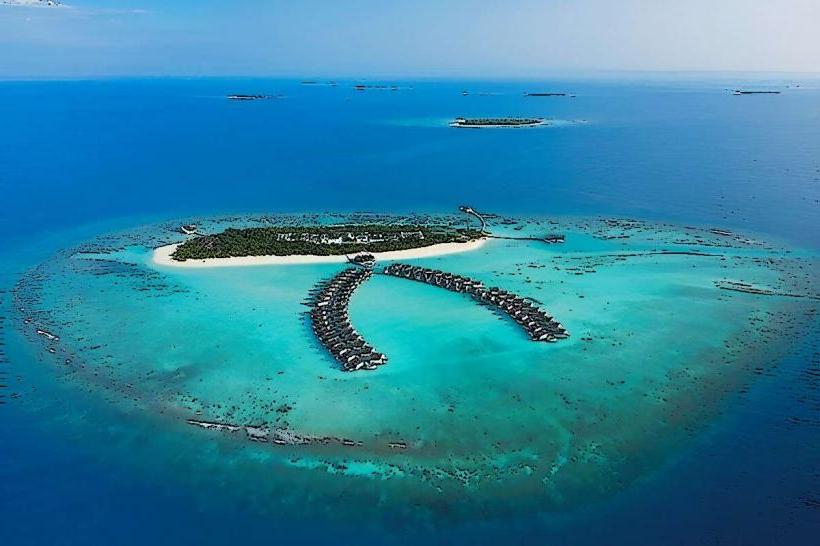
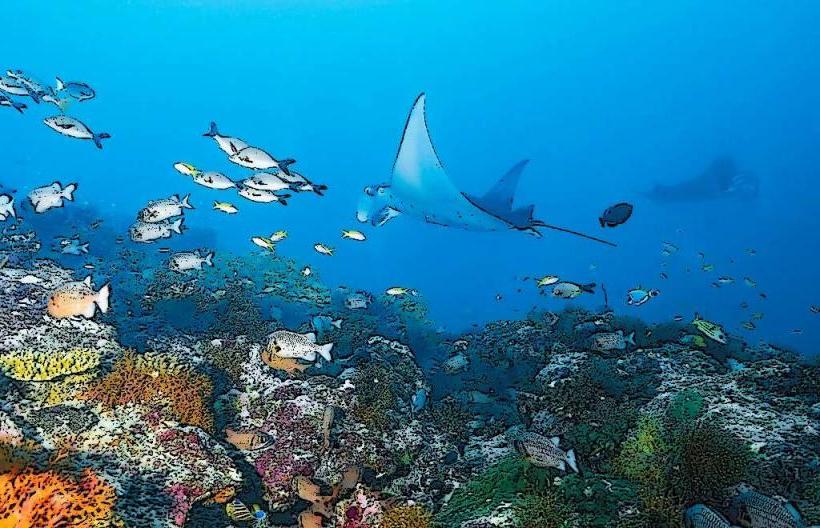
Manta Reef is a marine protected area located in the Shaviyani Atoll of the Maldives. It is a known aggregation site for manta rays.
Visual Characteristics
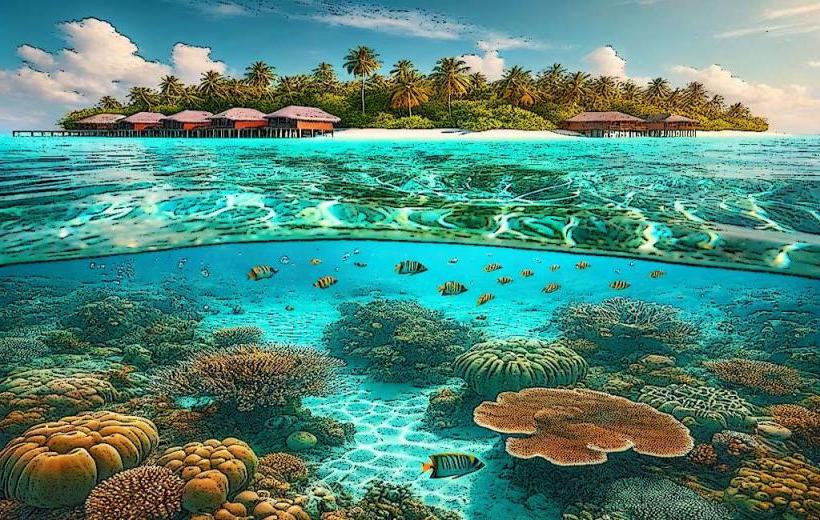
The reef consists of coral formations with sandy bottoms. Water clarity is typically high, allowing for visibility of marine life. Depths range from 5 meters to 30 meters.
Location & Access Logistics
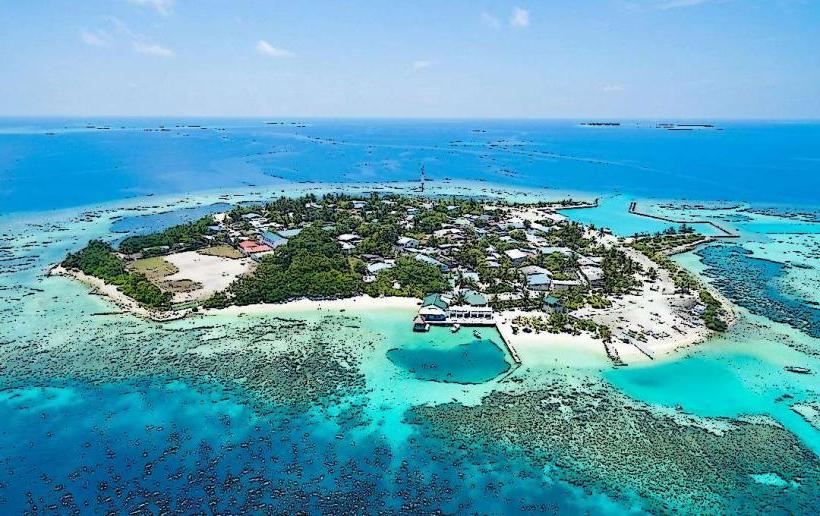
Manta Reef is situated approximately 15 kilometers west of the island of Funadhoo in Shaviyani Atoll. Access is primarily via speedboat or dhoni from local inhabited islands or resort islands within the atoll. There is no direct road access. Parking is available at the jetties of nearby islands. Public transport options are limited to scheduled boat transfers between islands, which may not directly service the reef.
Historical & Ecological Origin
Manta Reef is a natural coral reef system, part of the larger Maldivian archipelago's geological formation. Its ecological significance stems from its role as a feeding and cleaning station for manta rays (Mobula alfredi), a behavior observed due to nutrient-rich currents.
Key Highlights & Activities
Manta ray viewing and snorkeling are the primary activities. Divers can observe manta rays at cleaning stations. The best viewing opportunities occur during specific tidal conditions.
Infrastructure & Amenities
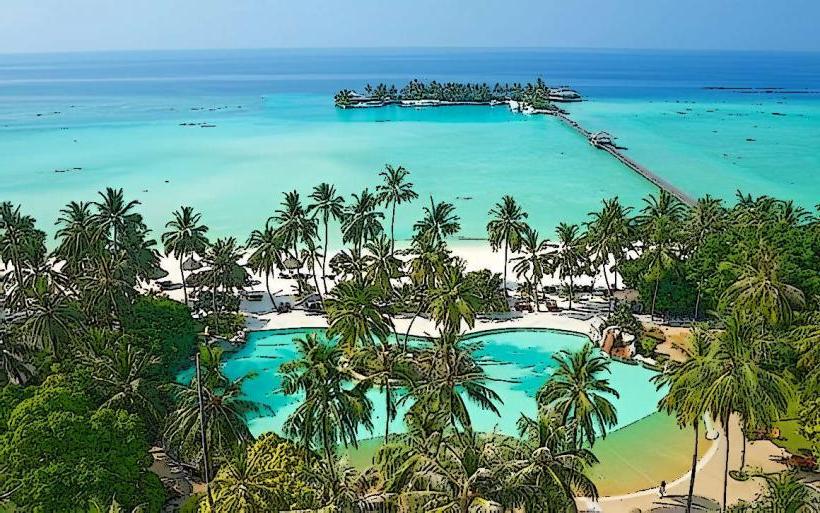
There are no permanent structures or amenities directly on Manta Reef. Basic facilities such as restrooms and food vendors are available on nearby inhabited islands like Funadhoo. Cell phone signal is generally available on boats and nearby islands.
Best Time to Visit
The optimal time for manta ray sightings is generally from May to November, coinciding with the southwest monsoon season, which brings plankton to the surface. The best time of day for visibility is typically mid-morning to early afternoon, when sunlight penetration is greatest. Tidal movements are critical; slack tide periods are often best for observing manta ray feeding behavior.
Facts & Legends
Local fishermen have historically referred to this area as a reliable spot for observing manta rays, attributing their presence to the abundance of plankton stirred by specific currents. A unique tip for visitors is to remain still and avoid sudden movements in the water to allow manta rays to approach without disturbance.
Nearby Landmarks
- Funadhoo Island (20km East)
- Noonu Atoll (35km South)
- Baa Atoll Biosphere Reserve (70km Southwest)