Landmark: Marae Fatu
City: Marquesas Islands
Country: French Polynesia
Continent: Australia
Marae Fatu, Marquesas Islands, French Polynesia, Australia
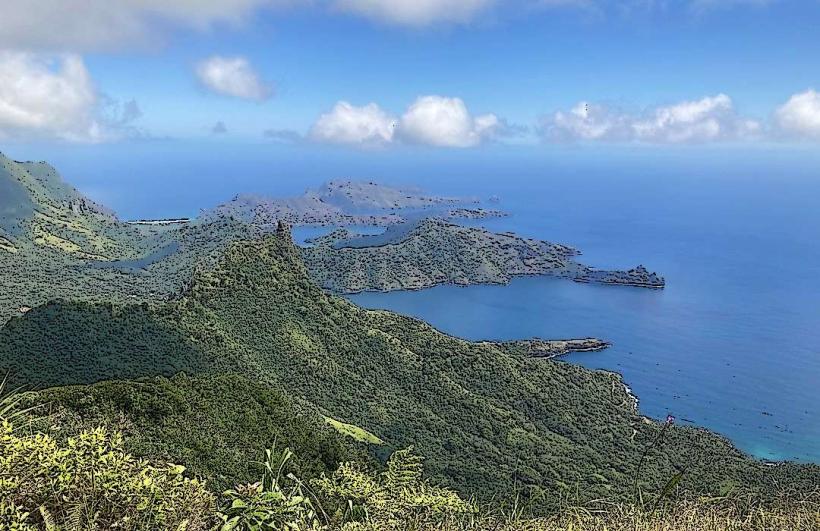
Marae Fatu is an ancient ceremonial site located on Nuku Hiva in the Marquesas Islands, French Polynesia. It is a significant archaeological site preserving pre-European Polynesian culture.
Visual Characteristics
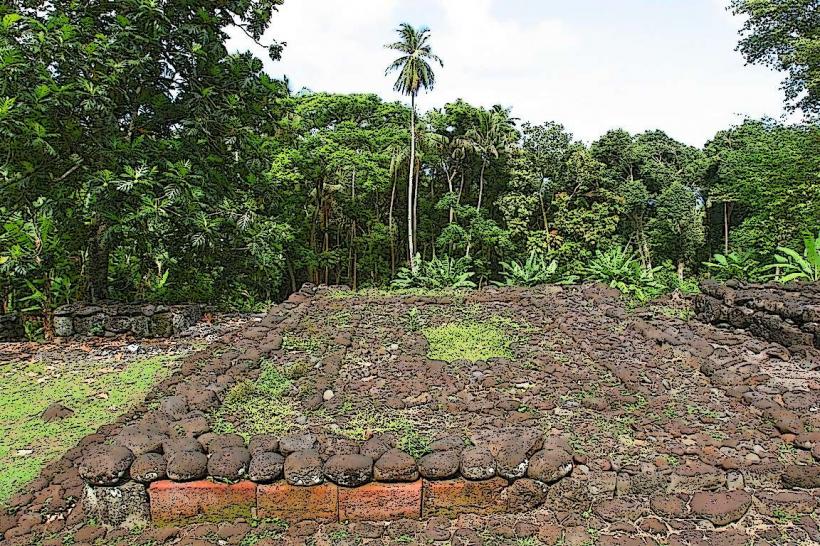
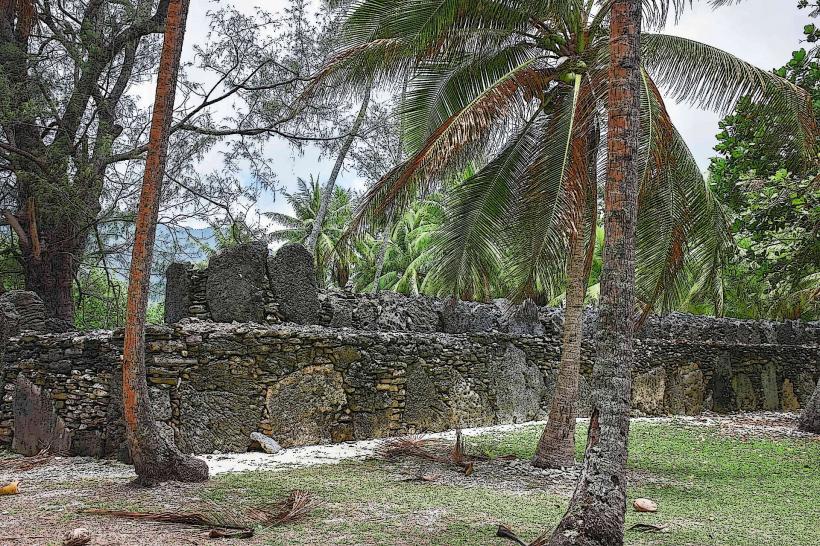
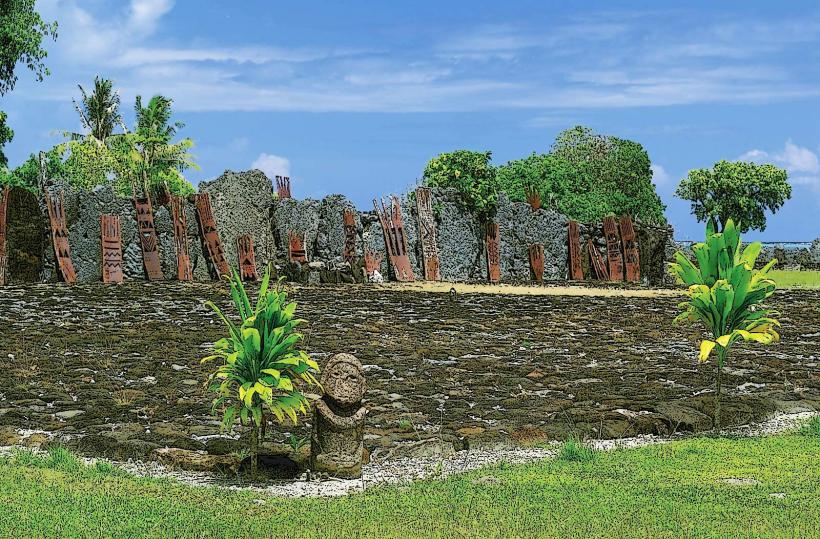
The site consists of a large, rectangular stone platform, approximately 20 meters long and 10 meters wide, constructed from dark volcanic rock. Several upright stone slabs, known as tiki, are positioned along the perimeter of the platform. The surrounding vegetation is dense tropical foliage, primarily consisting of breadfruit trees and ferns.
Location & Access Logistics
Marae Fatu is situated inland from the village of Taiohae on Nuku Hiva. Access is via the main road leading from Taiohae towards the interior of the island. The site is approximately 5 kilometers from the Taiohae harbor. A well-maintained dirt track branches off the main road, leading directly to the marae. Parking is available at the trailhead. Public transport is limited; a rental car or taxi is recommended for access.
Historical & Ecological Origin
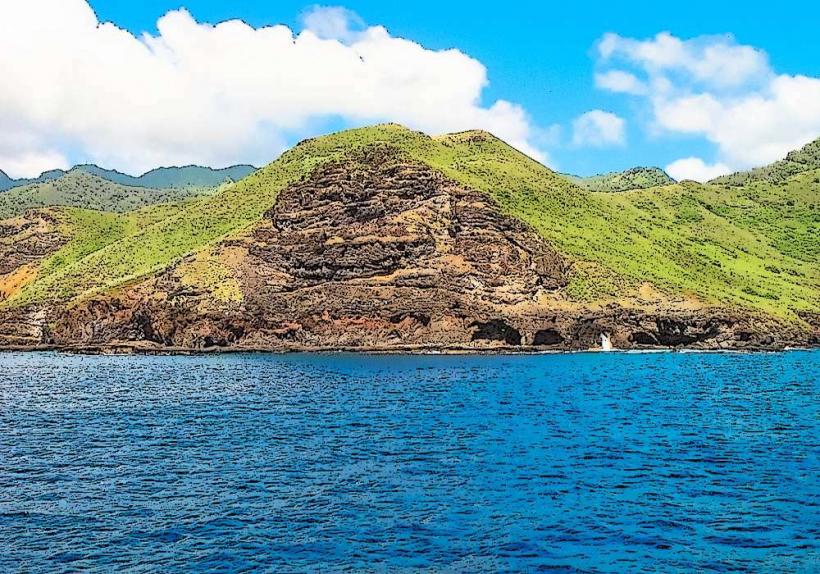
This marae dates back to the 13th century, serving as a sacred space for religious ceremonies, political gatherings, and social events for the indigenous Marquesan people. The construction utilized locally sourced basaltic rock. The site is situated within a valley characterized by volcanic soil, supporting a diverse range of endemic and introduced plant species.
Key Highlights & Activities
Visitors can observe the preserved stone structures and tiki. Archaeological interpretation panels provide information on the site's historical significance. Photography of the structures and surrounding landscape is permitted. No guided tours are currently offered on-site.
Infrastructure & Amenities
There are no restrooms or food vendors directly at Marae Fatu. Shade is provided by the surrounding trees. Cell phone signal (4G/5G) is intermittent at the site.
Best Time to Visit
The best time of day for photography is in the late morning or early afternoon when sunlight directly illuminates the stone structures. The dry season, from May to October, offers the most favorable weather conditions with less rainfall.
Facts & Legends
Local tradition suggests that the largest tiki at Marae Fatu represents a powerful ancestor spirit who protected the valley. It is said that offerings were made here to ensure successful harvests and safe voyages.
Nearby Landmarks
- Taiohae Bay (2.5km Southwest)
- Hatiheu Bay (8km North)
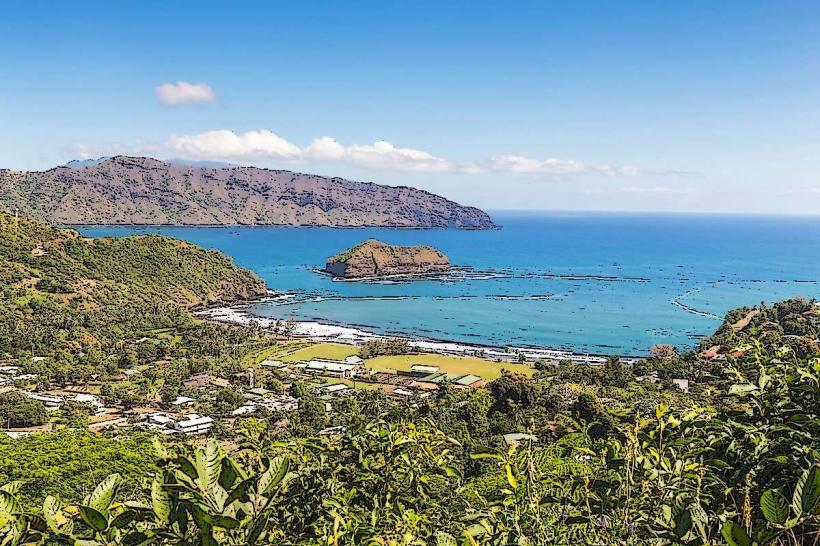
- Ua Pou Island (visible from coastal viewpoints, approximately 30km Southeast)
- Marquesas Museum (5km Southwest)