Landmark: Mkhaya Game Reserve
City: Big Bend
Country: Eswatini
Continent: Africa
Mkhaya Game Reserve, Big Bend, Eswatini, Africa
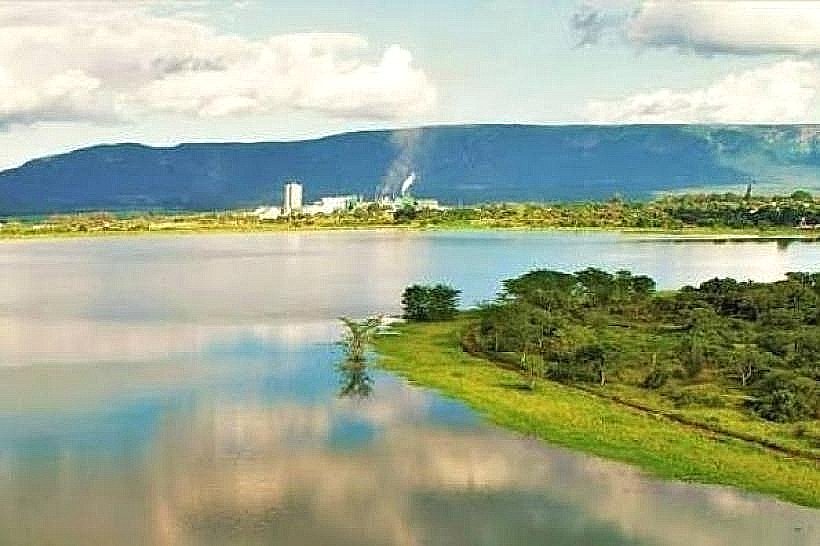
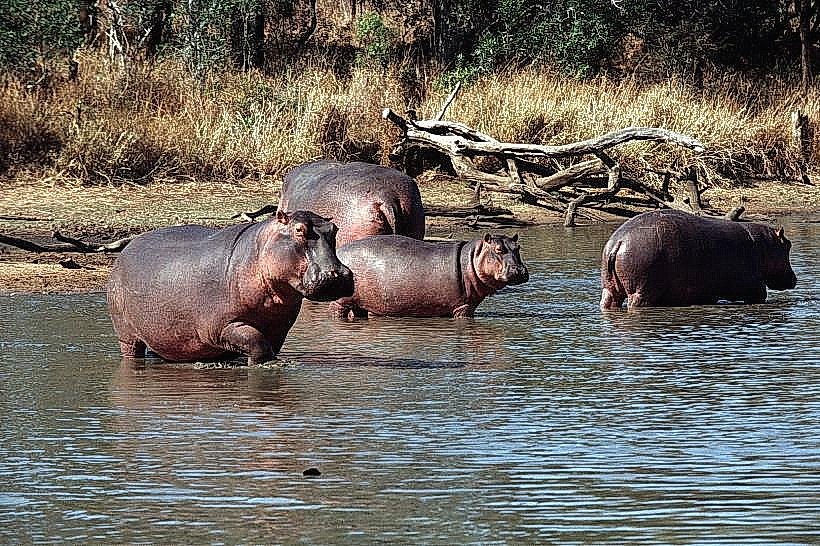
Mkhaya Game Reserve is a sanctuary for endangered species situated in the lowveld region of Eswatini near Big Bend and Phuzamoya. Managed by Big Game Parks, the 10,000-hectare private reserve operates as the country's primary refuge for black and white rhinoceroses, roan antelope, sable, and other threatened megafauna.
Visual Characteristics
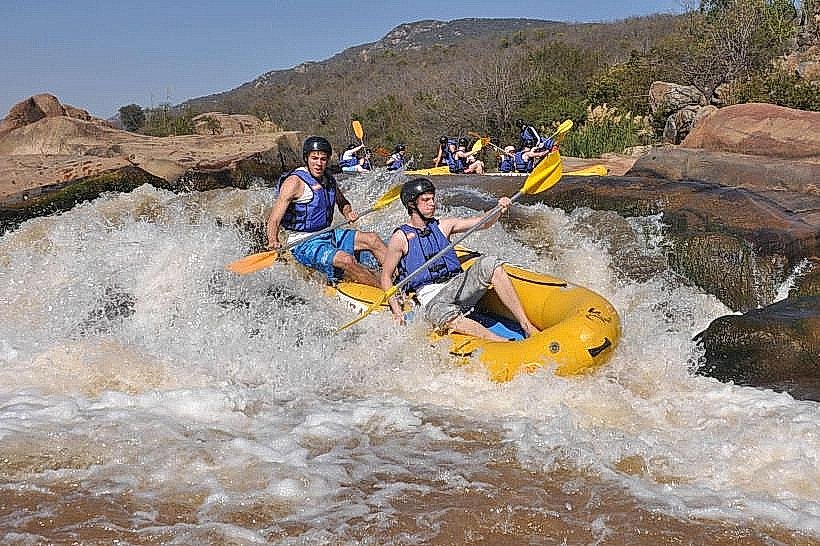
The reserve features lowveld acacia thornveld, riverine forests along the Ngwavuma River, and granite outcrops. The vegetation is dominated by the knobthorn tree (Senegalia nigrescens), known locally as mkhaya, interspersed with marula and leadwood trees. Accommodation at Stone Camp consists of semi-open, thatch-roofed stone cottages built without exterior doors or windows, integrated directly into the riverine canopy.
Location & Access Logistics
The meeting point and primary access gate are located off the paved MR8 highway at Phuzamoya, approximately 18 kilometers northwest of Big Bend and 45 kilometers southeast of Manzini. Unescorted self-drive vehicles are strictly prohibited inside the reserve. Day visitors and overnight guests must meet park guides at the secure Phuzamoya meeting point at designated pick-up times (10:00 or 16:00) to transfer into open 4x4 safari vehicles. Private vehicles are left in a guarded parking enclosure at Phuzamoya.
Historical & Ecological Origin
Established in 1979 by Ted Reilly, Mkhaya was initially created to preserve the purebred indigenous Nguni cattle from genetic extinction. The conservation scope expanded rapidly to reintroduce locally extinct species, including black rhinos, white rhinos, elephants, and buffaloes. The reserve's name derives from the siSwati name for the knobthorn tree. Ecologically, it functions as an intensive protection zone with specialized anti-poaching units safeguarding high-value wildlife.
Key Highlights & Activities
Guided Black and White Rhino Tracking Walks: Ranger-led foot safaris tracking rhinos through dense thornveld thickets.
Open 4x4 Game Drives: Guided morning and afternoon drives across the interior track network to observe elephants, giraffes, buffaloes, sables, and leopards.
Bird-Watching: Observing lowveld and riverine species, including the Narina trogon, pink-throated twinspot, and various raptors.
Infrastructure & Amenities
Stone Camp provides off-grid accommodation featuring open-fronted stone units with private flush toilets and gas-heated showers. The central dining area (boma) operates under thatch and canvas canopy, utilizing paraffin lanterns and candle lighting instead of electrical power. Mobile network signal is minimal inside the reserve basin but accessible near the Phuzamoya perimeter.
Best Time to Visit
Access is strictly managed via pre-booked reservations. The dry winter season from May to September offers optimal conditions for wildlife viewing, as foliage thins and animals gather along the Ngwavuma River bed and permanent waterholes. Summer (November to March) brings dense greenery and birding opportunities, though midday temperatures regularly exceed 35°C.
Facts & Legends
Mkhaya was funded through international conservation grants, private donations, and the sale of Nguni cattle. The reserve maintains one of the highest concentrations of black rhinos relative to area in Southern Africa, protected continuously by armed ranger patrols.
Nearby Landmarks
Phuzamoya Rail & Road Junction: 5.0km North
Nsoko Agriculture Hub: 15.0km South
Big Bend Town Center: 18.0km Southeast
Siphofaneni Junction: 22.0km Northwest
Nisela Nature Reserve: 28.0km South