Country: Eswatini
Continent: Africa
Eswatini, Africa
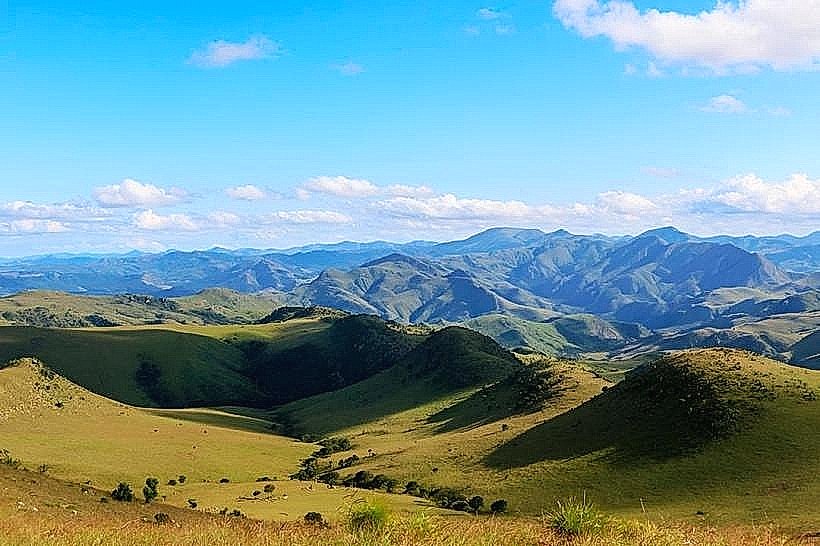
Eswatini is a landlocked country located in Southern Africa, bordered by South Africa to its north, west, and south, and Mozambique to its east. Its geographical profile features four distinct climatic and topographic regions running from west to east-the Highveld, Middleveld, Lowveld, and Lubombo Plateau-with Mbabane serving as the administrative capital and Lobamba as the royal and legislative capital.
History & Culture
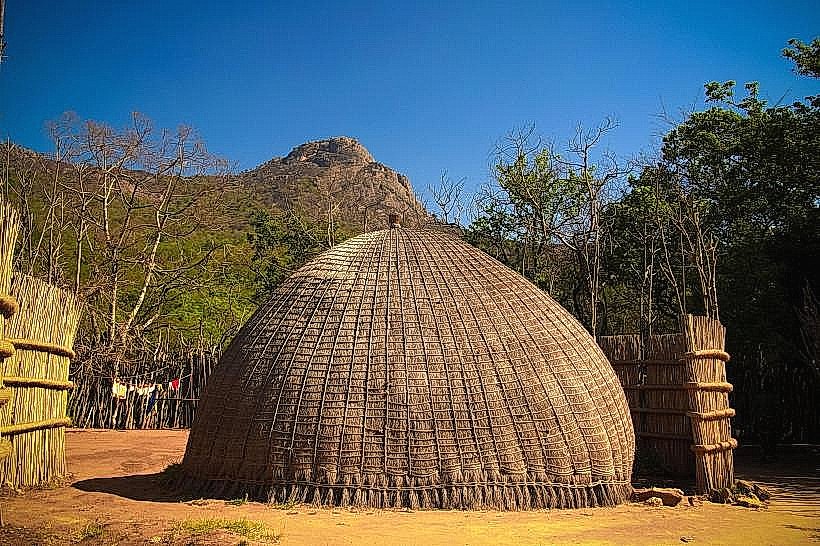
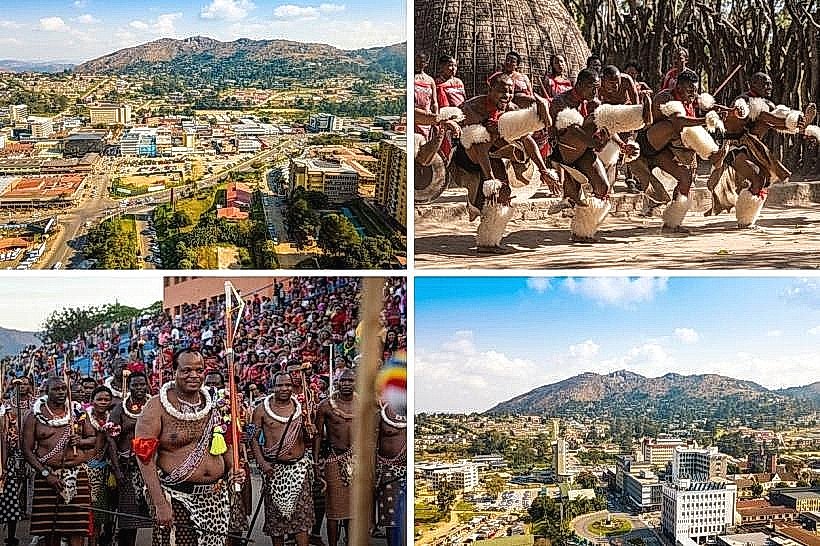
Eswatini gained independence from the United Kingdom on September 6, 1968. The political system is an absolute monarchy, previously ruled by King Sobhuza II and currently by King Mswati III, who renamed the country from Swaziland to Eswatini in 2018. The primary religious affiliation is Christianity (predominantly Zionist churches), blended with traditional African beliefs. The most significant national holidays are Somhlolo Day (Independence Day, September 6) and the annual Incwala and Umhlanga (Reed Dance) cultural ceremonies. Core social etiquette norms center on deep respect for elders and traditional hierarchies, community solidarity, and modest public attire.
Language & Communication
The official languages are siSwati and English. English proficiency is Medium to High within government, business, and urban areas, as it serves as the medium of instruction in schools. Local dialects are minimal, as siSwati is relatively uniform across the population.
Population & Economy
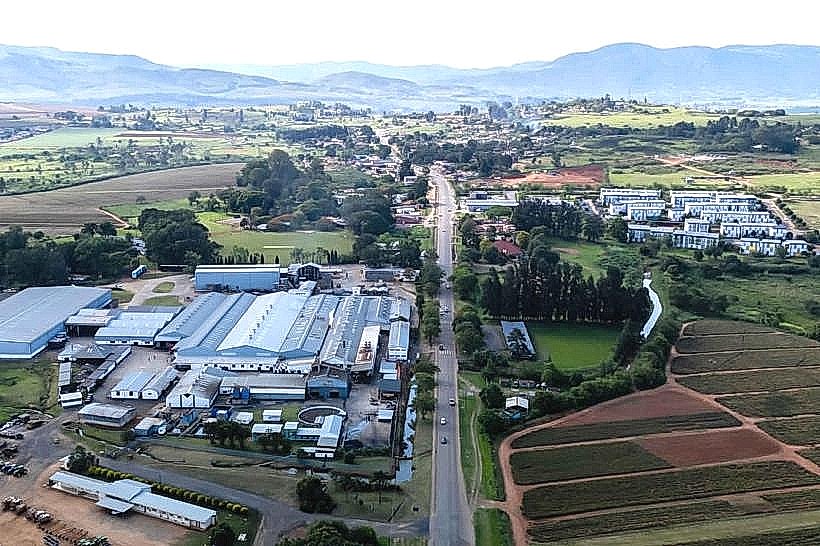
The total population is approximately 1.2 million, with roughly 24% residing in urban areas and 76% in rural communities. The top three export commodities are chemical products (specifically soft drink concentrates), sugar, and wood pulp/timber. The GDP per capita is approximately $3,800 USD, with agriculture, manufacturing, and forestry driving the labor market.
Visa & Entry Policy
Passport holders from the US, UK, and most EU nations do not require a visa for tourist stays of up to 30 days. Travelers must clear immigration checkpoints at land borders or King Mswati III International Airport. Border enforcement is efficient, though operating hours at land border posts with South Africa vary, with most closing between 18:00 and 00:00.
Currency & Payment Systems
The currency is the Lilangeni (SZL), which is pegged at par (1:1) to the South African Rand (ZAR). The Rand is accepted interchangeably everywhere in Eswatini, though coins are generally not accepted. Cash is dominant outside the urban hubs of Mbabane and Manzini. Credit cards are accepted at major hotels, supermarkets, and fuel stations in urban areas, while rural areas rely entirely on cash or mobile money. ATMs are available in cities but scarce in remote rural sectors.
National Transport Grid
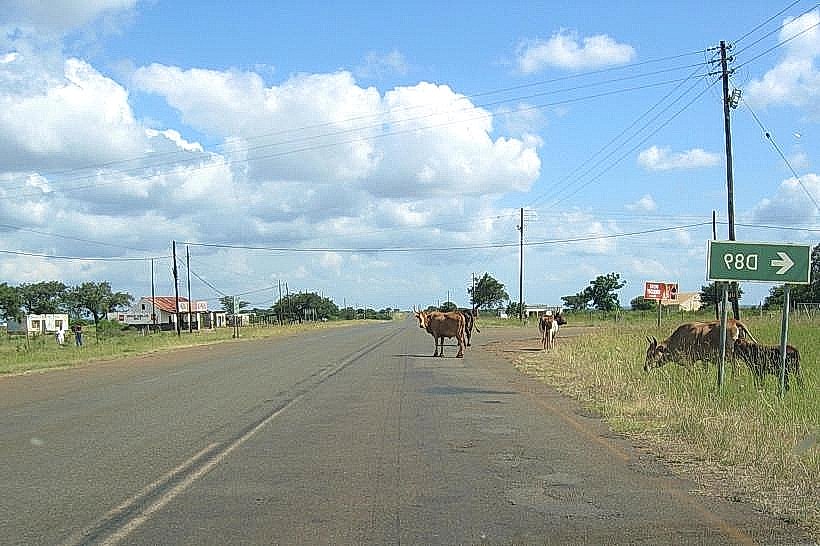
Intercity travel relies entirely on roads, as there is no passenger rail network. The dominant mode of transport is public minivans (locally called kombis) and informal shared taxis operating fixed routes between towns. Private vehicle rentals are common for international travelers, and major roads connecting Mbabane, Manzini, and border posts are paved and well-maintained.
Digital Infrastructure
The primary mobile network providers are MTN Eswatini and Eswatini Mobile. 4G coverage is reliable in the Mbabane-Manzini corridor and major towns, but data speeds and coverage drop significantly in mountainous rural areas and nature reserves.
Climate & Seasonality
The climate varies by altitude, with the western Highveld experiencing a humid subtropical climate and the eastern Lowveld being semi-arid. The distinct wet season runs from October to March (summer), which brings heavy rain and thunderstorms, while the dry season runs from April to September (winter), featuring clear, cool days and cold nights at higher elevations.
Health & Safety
A Yellow Fever vaccination certificate is mandatory if arriving from an endemic country. The Lowveld regions carry a seasonal risk of Malaria, making prophylaxis recommended. The national emergency numbers are 999 for Police and 977 for Medical Emergencies or Fire.
Top Major Regions & Cities
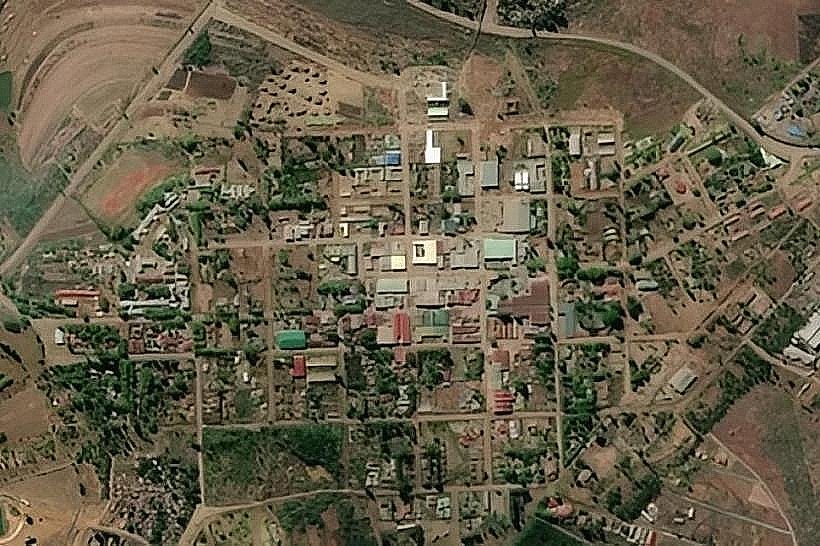
Ezulwini Valley: Hub town is Lobamba.
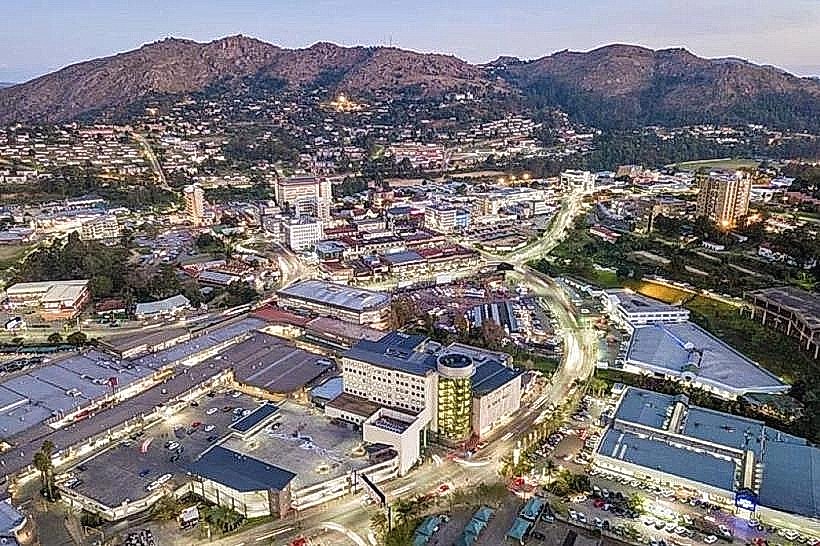
Hhohho (Highveld Region): Hub city is Mbabane.
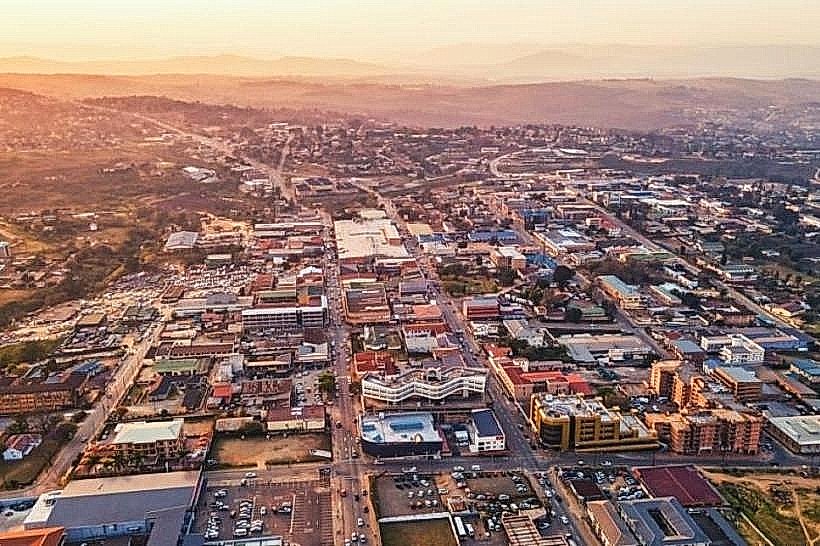
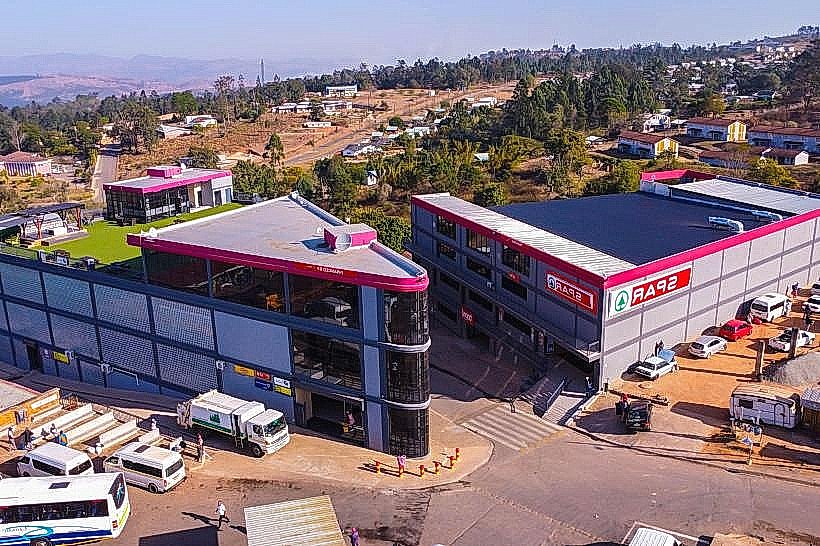
Manzini Region: Hub city is Manzini.
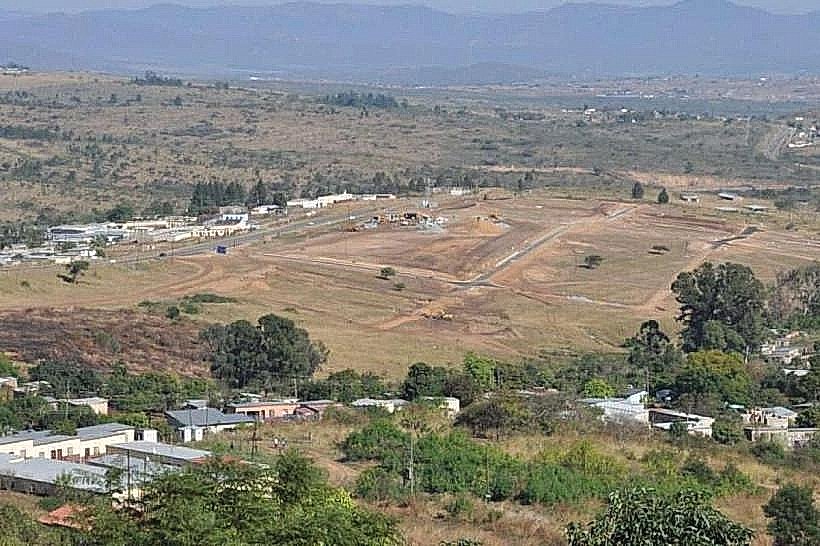
Lubombo Region: Hub town is Siteki.
Local Cost Index
1L Water: E12.00 ($0.65 USD) in supermarkets.
1 Domestic Beer: E22.00 ($1.20 USD) retail; E35.00 ($1.90 USD) in a bar.
1 SIM Card (Data Plan): E15.00 ($0.80 USD) for the card, with standard 5GB weekly data bundles costing around E150.00 ($8.15 USD).
Facts & Legends
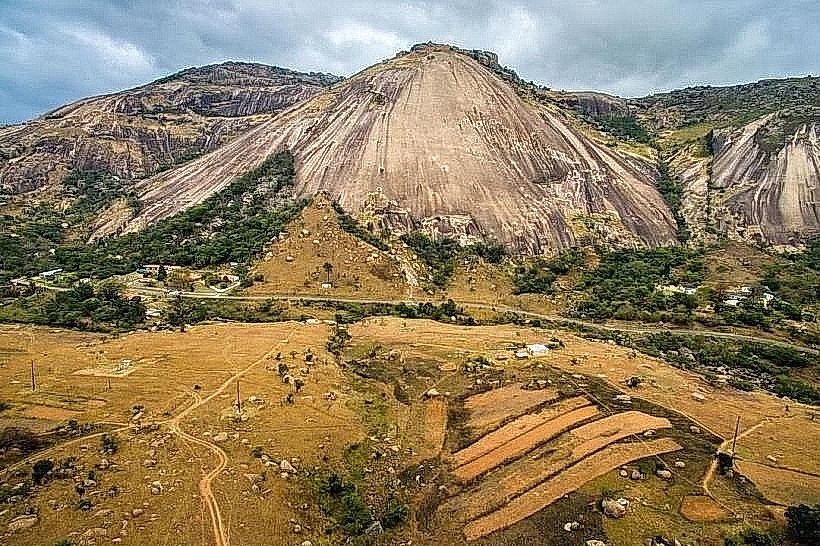
According to Swazi folklore, the distinctive twin peaks of the Nyonyane Mountain in the Ezulwini Valley, known as "Execution Rock," served as the historic site where persons accused of witchcraft or capital crimes were forced off the summit at spearpoint.