Information
Landmark: National Asian Culture ComplexCity: Gwangju
Country: South Korea
Continent: Asia
National Asian Culture Complex, Gwangju, South Korea, Asia
The National Asian Culture Complex is a multi-purpose cultural institution located in Gwangju, South Korea. It serves as a hub for the preservation, research, and dissemination of Asian culture.
Visual Characteristics
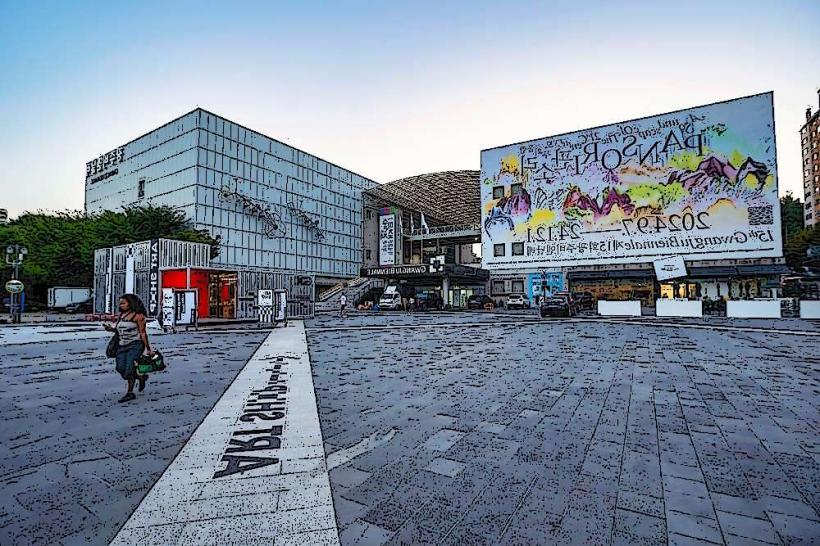
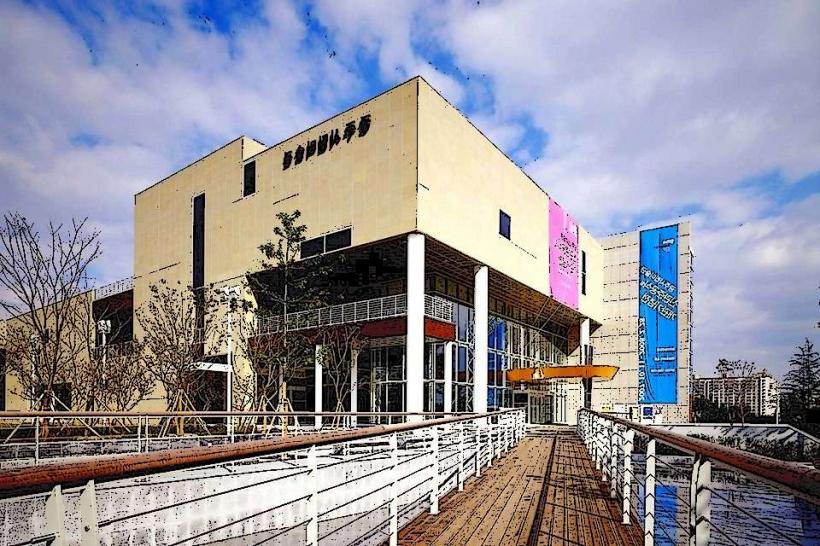
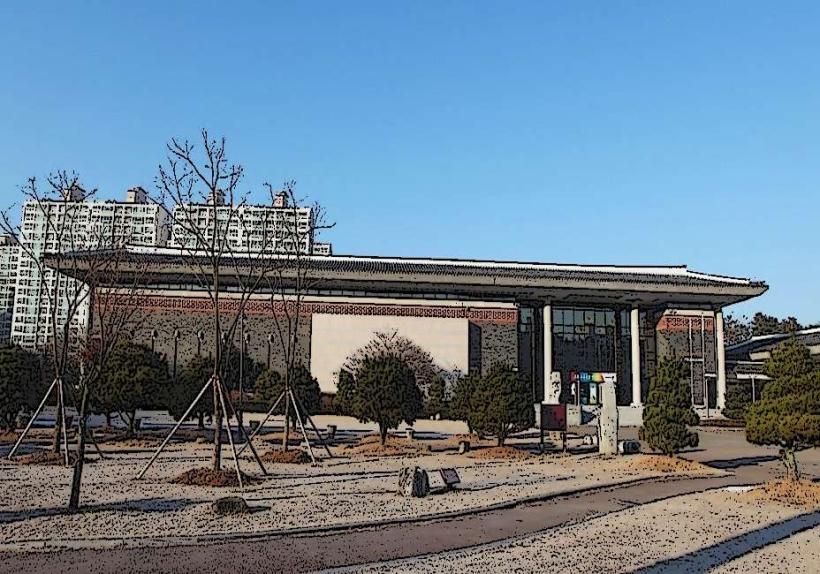
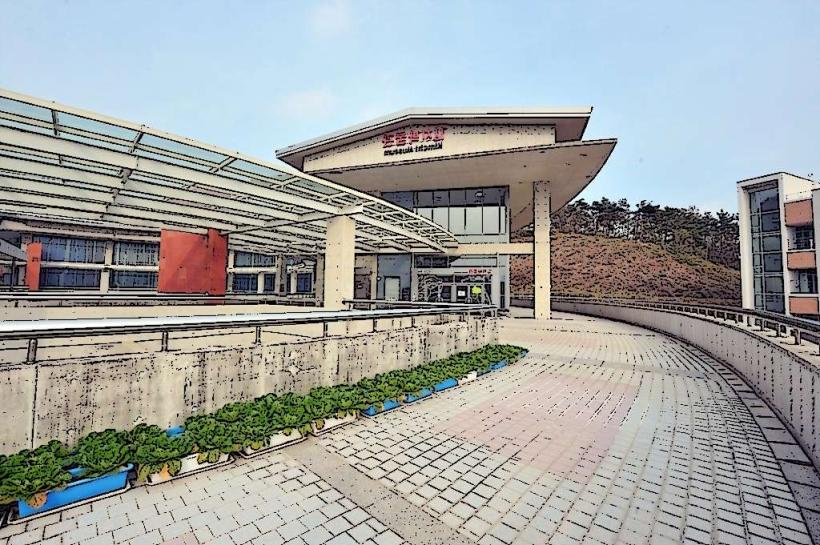
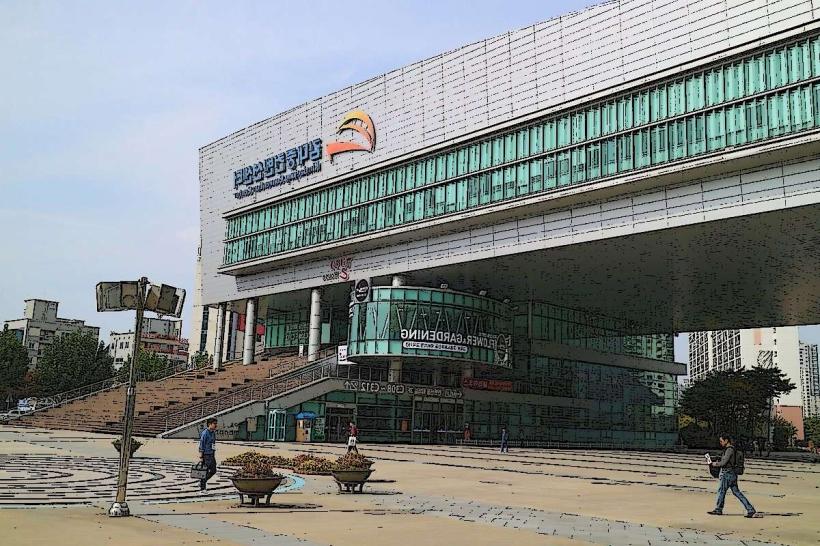
The complex comprises several distinct buildings constructed with a combination of concrete, glass, and steel. The primary structures feature clean lines and geometric forms, reflecting a modern architectural aesthetic. Exterior colors are predominantly neutral, with variations in grey, white, and metallic finishes. The site is landscaped with paved walkways and open green spaces.
Location & Access Logistics
The National Asian Culture Complex is situated in the central district of Gwangju, approximately 1.5 kilometers east of the Gwangju City Hall. Access is via Gwangju Metropolitan Subway Line 1 to the Culture Complex Station (문화전당역). Numerous city bus routes also serve the area, with stops directly adjacent to the complex. On-site parking is available in a multi-story garage; fees apply.
Historical & Ecological Origin
The site's development began in 2004, with the primary construction completed in 2015. It was conceived as a national project to foster cultural exchange and understanding within Asia. The land was previously occupied by military facilities before its redevelopment into a cultural center.
Key Highlights & Activities
Visitors can explore the Asia Culture Institute, which houses archives and exhibition spaces. The Asia Culture Theater offers performances and film screenings. The Asia Culture Exchange Agency facilitates international collaborations. The complex also includes an art museum and a library. Guided tours of the architectural design and historical context are offered daily.
Infrastructure & Amenities
Restrooms are located on each floor of the main buildings. Shaded areas are provided by architectural overhangs and strategically placed trees in outdoor spaces. Cellular service (4G/5G) is generally strong throughout the complex. Food and beverage options are available within the complex's cafes and restaurants.
Best Time to Visit
For optimal interior lighting in exhibition spaces, visits between 10:00 AM and 3:00 PM are recommended. The complex is open year-round, with weekdays offering fewer crowds than weekends. No specific tide considerations apply.
Facts & Legends
A unique aspect of the complex's design is the integration of underground exhibition halls, minimizing the visual impact on the surrounding urban landscape. The construction process involved extensive consultation with cultural experts from various Asian nations.
Nearby Landmarks
- Gwangju Museum of Art (0.3km West)
- Gwangju Democracy Foundation (0.7km Southwest)
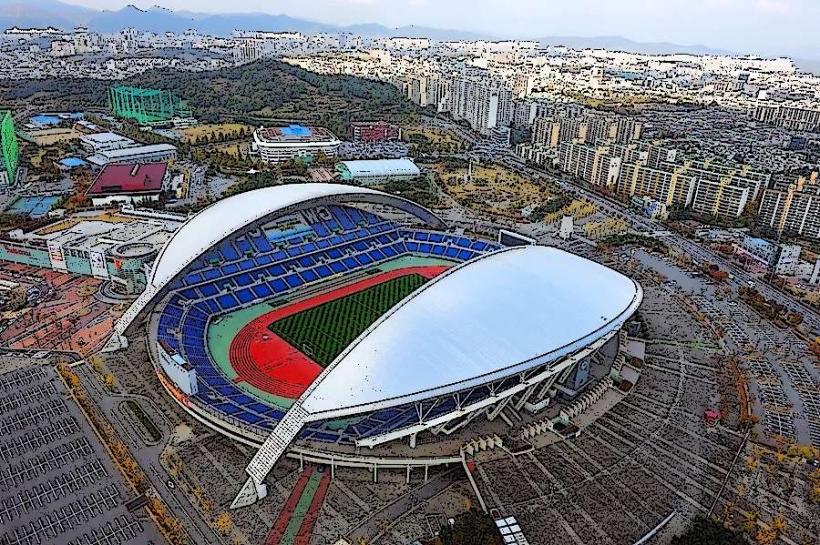
- Gwangju World Cup Stadium (2.1km South)
- Gwangju National Cemetery (3.5km Northwest)