Landmark: Njukiri Forest
City: Embu
Country: Kenya
Continent: Africa
Njukiri Forest, Embu, Kenya, Africa
Njukiri Forest is a protected indigenous forest located on the outskirts of Embu City, Kenya.
This forest serves as a vital ecological zone and a recreational area for the local population.
Visual Characteristics
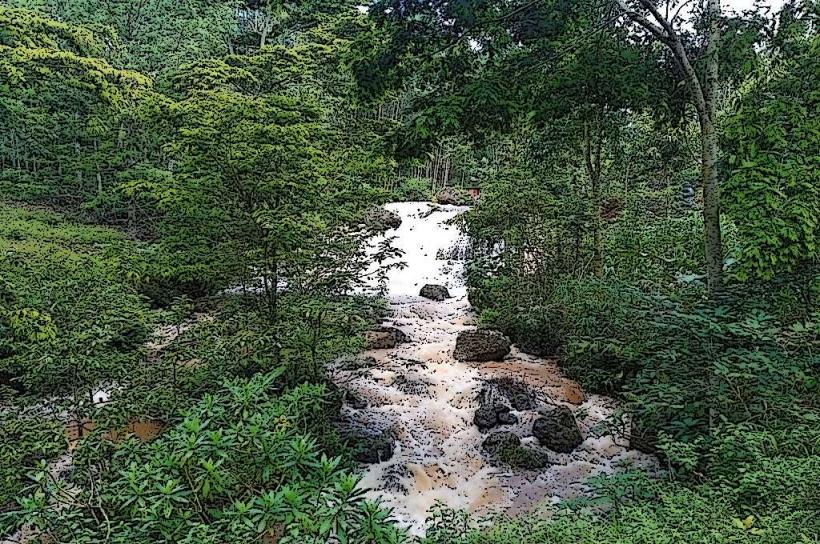
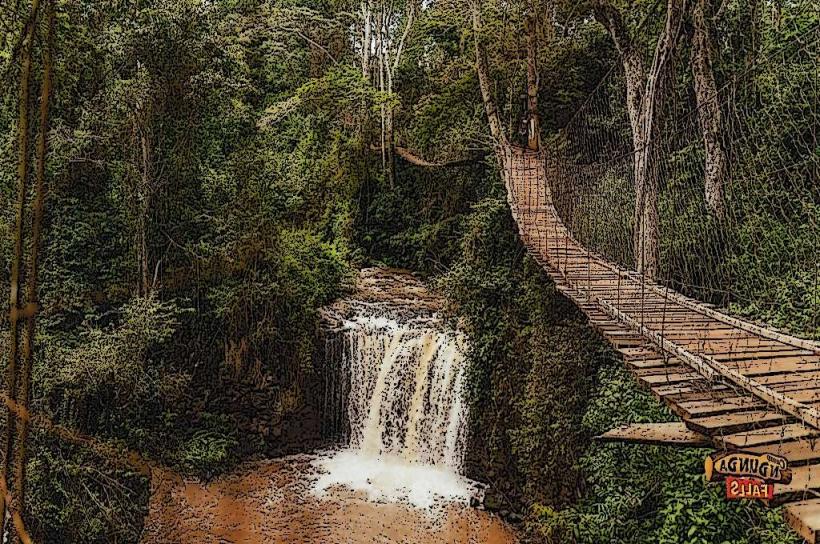
The forest canopy is dominated by mature indigenous trees, including species such as Croton macrocarpus and Olea africana. The undergrowth consists of ferns and various shrubs. The forest floor is covered in leaf litter and soil. Small streams traverse the terrain, with water clarity dependent on recent rainfall.
Location & Access Logistics
Njukiri Forest is situated approximately 5 kilometers south of Embu City center. Access is via the Embu-Kithimu Road. Turn off onto a clearly marked dirt track leading into the forest. Parking is available at the forest entrance, with capacity for approximately 20 vehicles. No public transport directly serves the forest entrance; visitors typically use private vehicles or taxis from Embu town.
Historical & Ecological Origin
Njukiri Forest is classified as a medium altitude moist forest. Its ecological origin dates back centuries, representing a remnant of the original forest cover in the region. It is managed by the Kenya Forest Service. The forest's primary purpose is conservation of biodiversity and watershed protection.
Key Highlights & Activities
Hiking is permitted on designated trails. Birdwatching is a common activity due to the diverse avian population. Nature photography is possible, particularly of flora and fauna. Picnicking is allowed in designated areas near the entrance.
Infrastructure & Amenities
Basic restroom facilities are located at the forest entrance. Limited shade is available within the forest, primarily from the tree canopy. Cell phone signal (4G) is intermittent within the forest; it is generally stronger near the entrance. No food vendors operate within the forest; visitors should bring their own provisions.
Best Time to Visit
The best time for birdwatching is during the early morning hours (06:00-09:00) when avian activity is highest. The dry seasons, from June to September and December to February, offer more predictable weather conditions. Rainfall can occur year-round, making waterproof footwear advisable.
Facts & Legends
Local folklore suggests that certain ancient trees within Njukiri Forest are inhabited by spirits. A specific large fig tree, known locally as "Mũthĩ wa Gĩkũyũ," is considered a sacred site by some community members.
Nearby Landmarks
- Kithimu Market (1.5km Northeast)
- Embu Stadium (4.0km North)
- County Government of Embu Headquarters (4.5km North)
- St. Mary's Catholic Church, Embu (4.8km North)