Landmark: Oropouche Lagoon
City: San Fernando
Country: Trinidad and Tobago
Continent: North America
Oropouche Lagoon, San Fernando, Trinidad and Tobago, North America
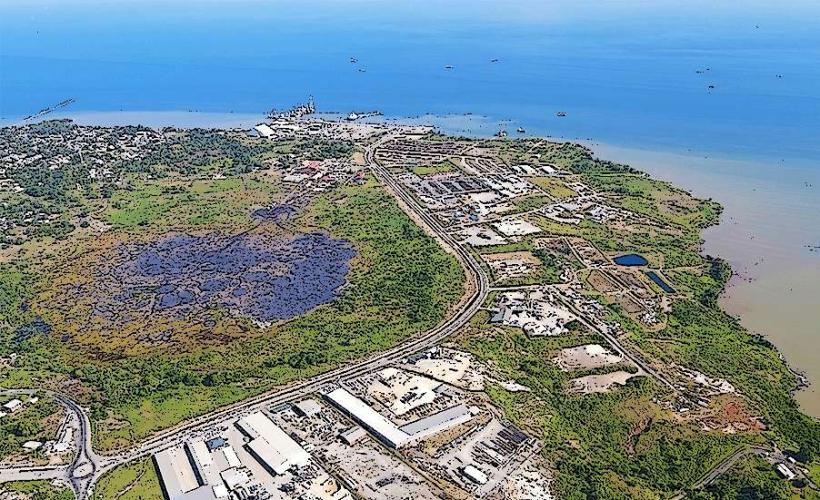
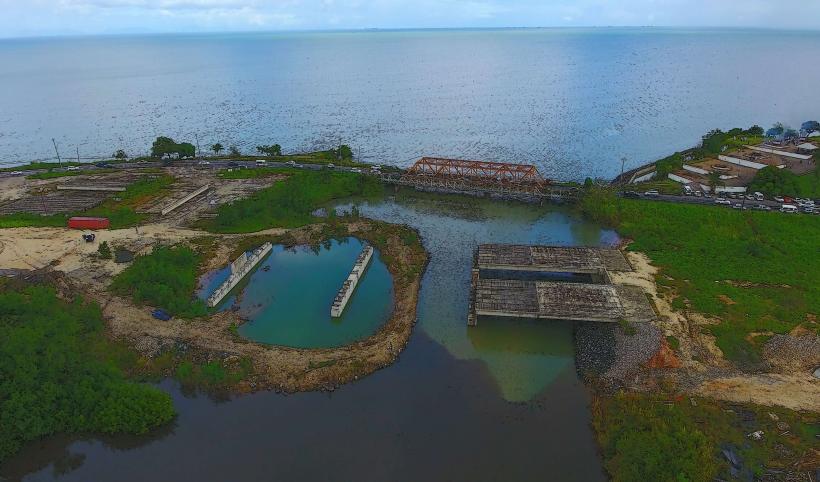
Oropouche Lagoon is a coastal wetland system located south of San Fernando, Trinidad and Tobago. It is a significant estuarine environment characterized by mangrove forests and tidal channels.
Visual Characteristics
The lagoon features brackish water bodies interspersed with dense mangrove vegetation, primarily red mangroves (Rhizophora mangle). Mudflats are exposed during low tide. The water color varies from brown to greenish depending on sediment load and algal growth. The area is relatively flat with a maximum elevation of approximately 5 meters above sea level.
Location & Access Logistics
Oropouche Lagoon is situated approximately 10 kilometers south of San Fernando's city center. Access is primarily via the Southern Main Road, turning onto smaller local roads leading towards the lagoon's edge. Limited parking is available at designated access points. Public transport options are scarce; local taxis or private vehicles are the most practical means of reaching the site.
Historical & Ecological Origin
The lagoon is a natural estuarine system formed by the confluence of several rivers and the Caribbean Sea. Its formation is a result of coastal sedimentation and the natural expansion of mangrove ecosystems over millennia. It serves as a critical nursery ground for various fish and crustacean species.
Key Highlights & Activities
Birdwatching is a primary activity, with numerous resident and migratory species observed. Kayaking or small boat tours are possible within the channels, offering close observation of mangrove ecology. Fishing is permitted in designated areas, subject to local regulations.
Infrastructure & Amenities
Basic amenities are minimal. There are no formal restrooms or designated shade structures within the lagoon itself. Cell phone signal (4G/5G) is generally weak to non-existent in the core areas of the lagoon. Food vendors are not present at the immediate lagoon site; provisions should be made before arrival.
Best Time to Visit
The best time for birdwatching is during the early morning or late afternoon when avian activity is highest. The dry season, from January to May, generally offers more stable weather conditions. Tidal patterns influence access and visibility of mudflats; consult local tide charts for optimal viewing.
Facts & Legends
Oropouche Lagoon is known for its high biodiversity, particularly its role as a habitat for the critically endangered West Indian whistling duck. Local folklore sometimes associates the area with spirits of the water, though these are unverified narratives.
Nearby Landmarks
- Point a Pierre Wildfowl Trust (2.5km Northwest)
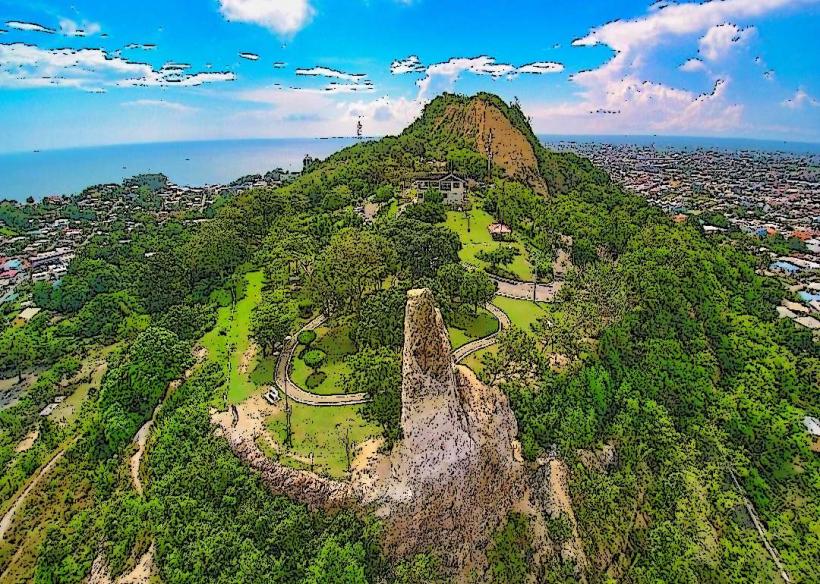
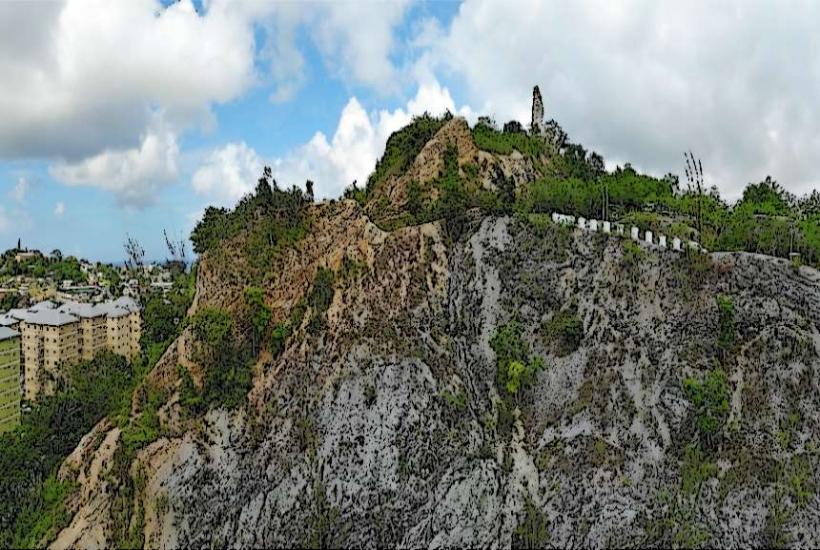
- San Fernando Hill (7km North)
- Maracas Bay (approximately 45km North - coastal drive)
- Pitch Lake (approximately 20km Southwest)