Information
Landmark: Parque Nacional CoibaCity: Santiago City
Country: Panama
Continent: North America
Parque Nacional Coiba, Santiago City, Panama, North America
Parque Nacional Coiba is a protected marine and terrestrial area located off the Pacific coast of Panama, west of Santiago City.
This national park encompasses Coiba Island and 38 smaller islands, along with a significant portion of the surrounding Pacific Ocean.
Visual Characteristics
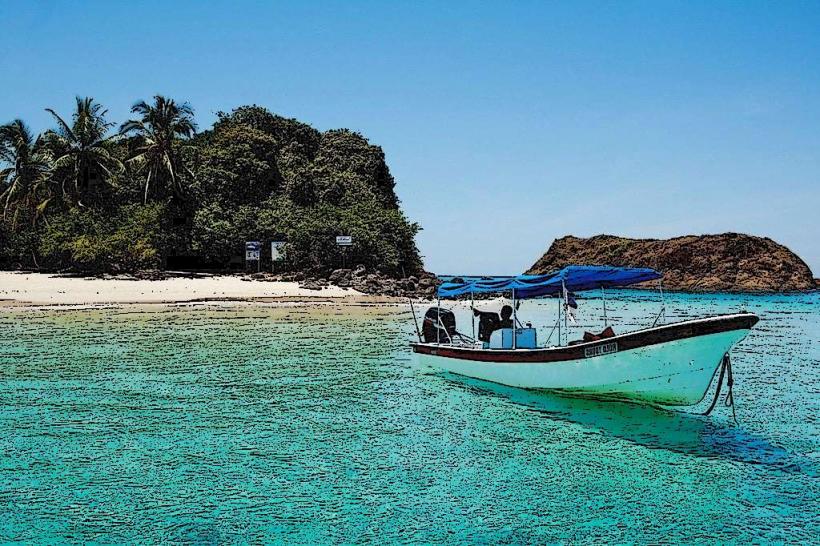
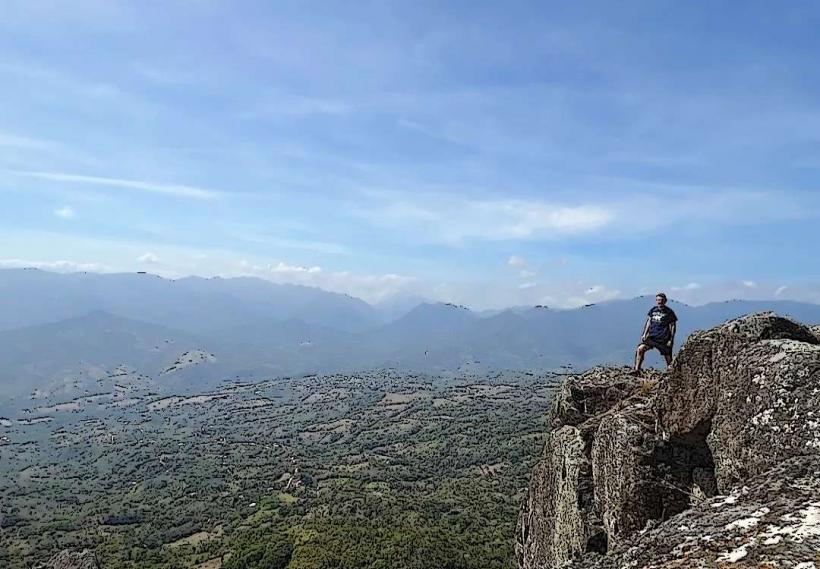
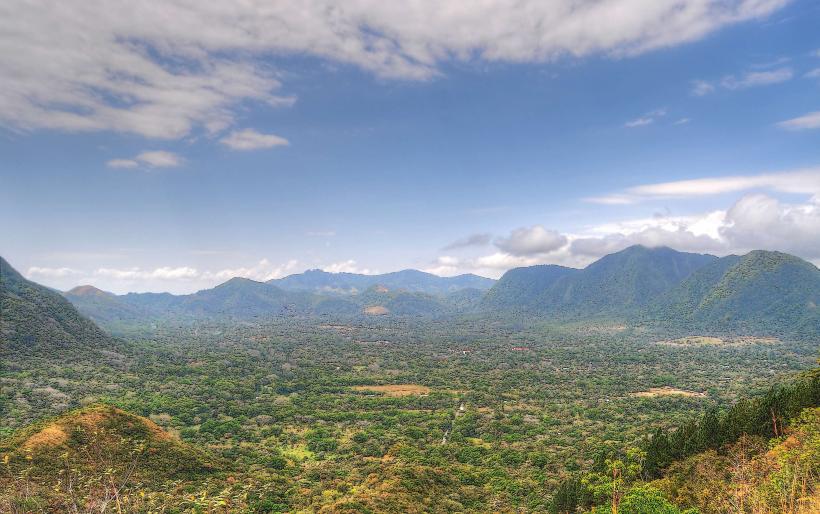
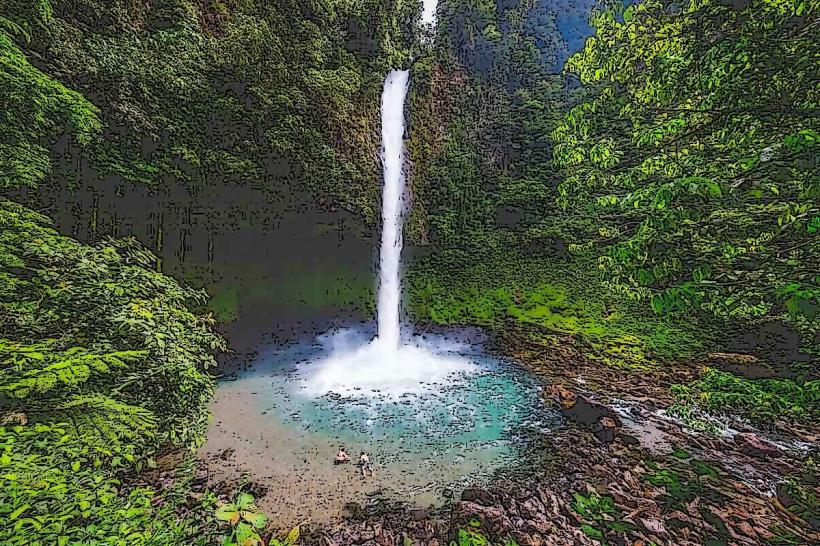
The terrestrial environment of Coiba Island features dense tropical rainforest with a canopy reaching up to 40 meters. The coastline is characterized by sandy beaches, rocky outcrops, and mangrove systems. The surrounding waters exhibit clear visibility, with coral reefs supporting diverse marine life. The islands are generally mountainous, with elevations reaching over 400 meters.
Location & Access Logistics
Access to Parque Nacional Coiba is primarily via boat from the mainland. The closest mainland port is Puerto Mutis, located approximately 70 kilometers west of Santiago City. Travel time from Santiago City to Puerto Mutis is about 1.5 hours by road, utilizing Pan-American Highway (Route 1) and then local roads towards Puerto Mutis. From Puerto Mutis, boat transfers to Coiba Island take approximately 2 to 3 hours, depending on sea conditions. There is no public transport directly to the park; private boat charters are the standard method of access. Limited parking is available at Puerto Mutis.
Historical & Ecological Origin
Parque Nacional Coiba was established as a national park on August 21, 1992, and later designated a UNESCO World Heritage Site in 2005. Historically, Coiba Island served as a penal colony from 1919 until 2004, which contributed to its relative isolation and preservation of its ecosystems. Ecologically, the park is situated in a transition zone between tropical eastern Pacific and central Pacific marine environments, fostering high biodiversity. The marine area is a significant feeding and breeding ground for various marine species.
Key Highlights & Activities
Activities include scuba diving and snorkeling, particularly around the coral reefs and seamounts. Wildlife observation is a primary focus, with opportunities to see marine mammals such as whales and dolphins, as well as numerous fish species. Hiking trails are available on Coiba Island, offering access to interior rainforest ecosystems. Birdwatching is also a significant activity, with a high number of endemic species.
Infrastructure & Amenities
Basic infrastructure exists on Coiba Island, including ranger stations and limited lodging options for researchers and authorized visitors. Restrooms are available at designated visitor areas. Shade is provided by the natural forest canopy. Cell phone signal is generally absent within the park boundaries. Food vendors are not present within the park; visitors must bring their own supplies.
Best Time to Visit
The dry season, from December to April, offers the most favorable weather conditions with calmer seas and reduced rainfall, enhancing visibility for diving and snorkeling. The whale shark season typically runs from June to October. The best time of day for photography depends on the subject; early morning and late afternoon provide softer light for terrestrial scenes, while midday offers optimal light for underwater photography.
Facts & Legends
Coiba Island's history as a penal colony meant that many inmates were left to fend for themselves in the island's interior, leading to the development of unique survival skills and local folklore. One notable aspect is the presence of a significant population of howler monkeys, whose calls can be heard throughout the island.
Nearby Landmarks
- Isla Cebaco (15km Northeast)
- Playa Hermosa (20km Northeast)
- Santa Catalina (25km Northeast)
- Azuero Peninsula (50km East)