Landmark: Puu Jih Shih Temple
City: Sandakan
Country: Malaysia
Continent: Asia
Puu Jih Shih Temple, Sandakan, Malaysia, Asia
Puu Jih Shih Temple is a Buddhist temple situated on a hillside in Sandakan, Sabah, Malaysia.
It is one of the largest Buddhist temples in Southeast Asia.
Visual Characteristics
The temple complex features multiple structures constructed primarily from concrete and adorned with decorative tiles and painted motifs. The main pagoda stands several stories high, characterized by tiered roofs with upturned eaves. Red and gold are prominent colors throughout the complex. The grounds are landscaped with manicured gardens and stone pathways.
Location & Access Logistics
Puu Jih Shih Temple is located approximately 8 kilometers northwest of Sandakan's city center. Access is via Jalan Batu Sapi. Driving is the most direct method; parking is available on-site. Public transport options include local buses that service the Batu Sapi route, with a short walk required from the nearest stop. The journey from the city center by car typically takes 15-20 minutes, depending on traffic.
Historical & Ecological Origin
Construction of the temple began in 1927 and was completed in stages over several decades. It was founded by the local Chinese Buddhist community. The temple serves as a place of worship and a cultural center for the Buddhist faith in the region.
Key Highlights & Activities
Visitors can explore the various temple halls, observe the intricate statues of Buddhist deities, and ascend to viewpoints offering panoramic vistas of Sandakan Bay. Photography is permitted within designated areas. The temple grounds are suitable for walking and quiet contemplation.
Infrastructure & Amenities
Restrooms are available within the temple complex. Shaded areas are provided by the temple structures and some trees. Cell phone signal (4G) is generally reliable within the complex. Food vendors are not typically present directly within the temple grounds, but eateries are located in the vicinity of Sandakan city.
Best Time to Visit
The best time of day for photography is generally in the late afternoon when the sunlight illuminates the temple structures. The weather in Sandakan is tropical, with high humidity year-round. The drier months, typically from March to October, offer slightly less rainfall, though showers can occur at any time.
Facts & Legends
A notable feature of the temple is its large bronze bell, which is rung daily. Local lore suggests that ringing the bell can bring good fortune. The temple also houses a significant collection of Buddhist scriptures and artifacts.
Nearby Landmarks
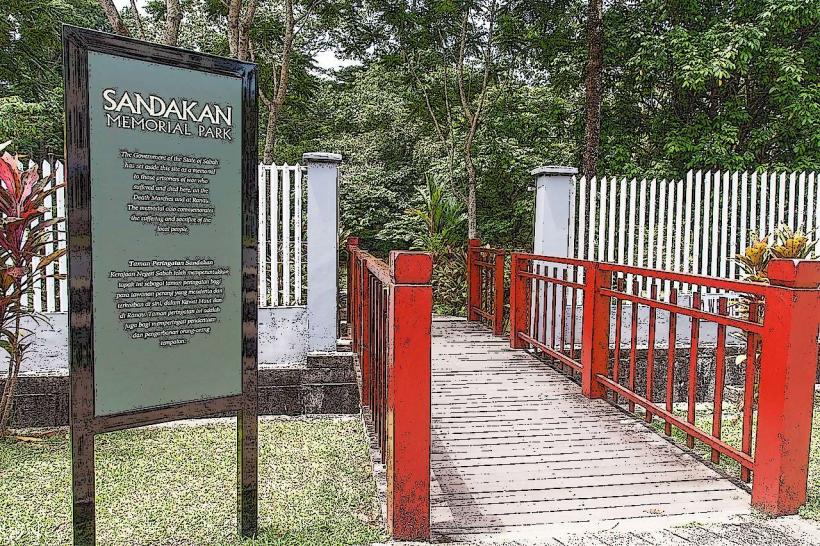
- Sandakan Memorial Park (2.5km Southeast)
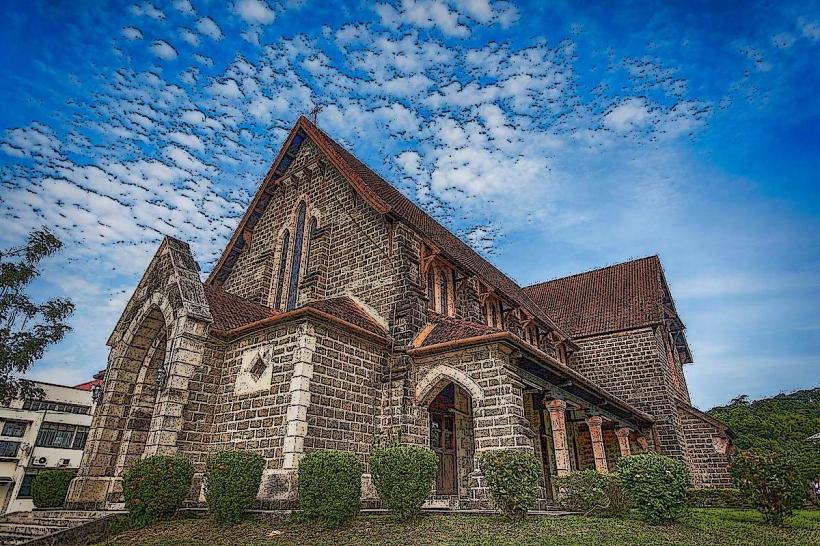
- St. Michael's and All Angels' Church (4.0km Southeast)
- Sandakan Central Market (4.5km Southeast)
- Batu Sapi Water Village (3.0km Southwest)