Landmark: Qing Xin Ling Leisure & Cultural Village
City: Ipoh
Country: Malaysia
Continent: Asia
Qing Xin Ling Leisure & Cultural Village, Ipoh, Malaysia, Asia
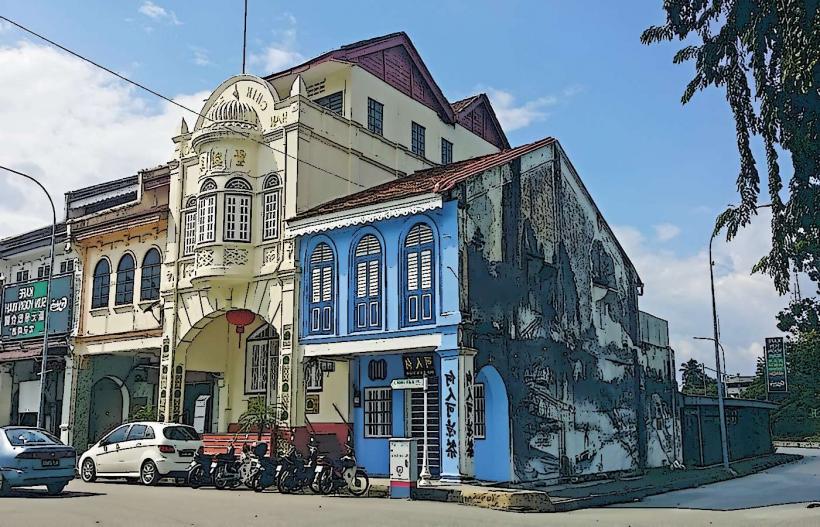
Qing Xin Ling Leisure & Cultural Village is a heritage site located in Ipoh, Perak, Malaysia. It is a former limestone quarry transformed into a cultural attraction.
Visual Characteristics
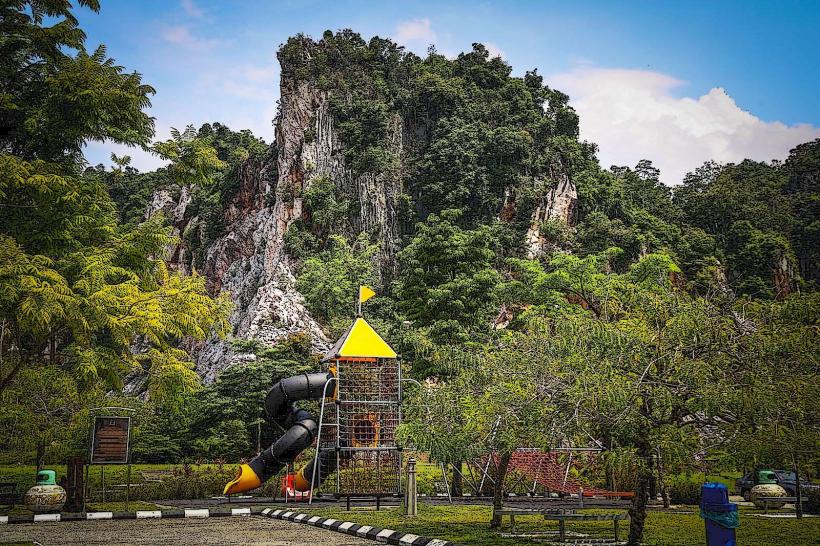
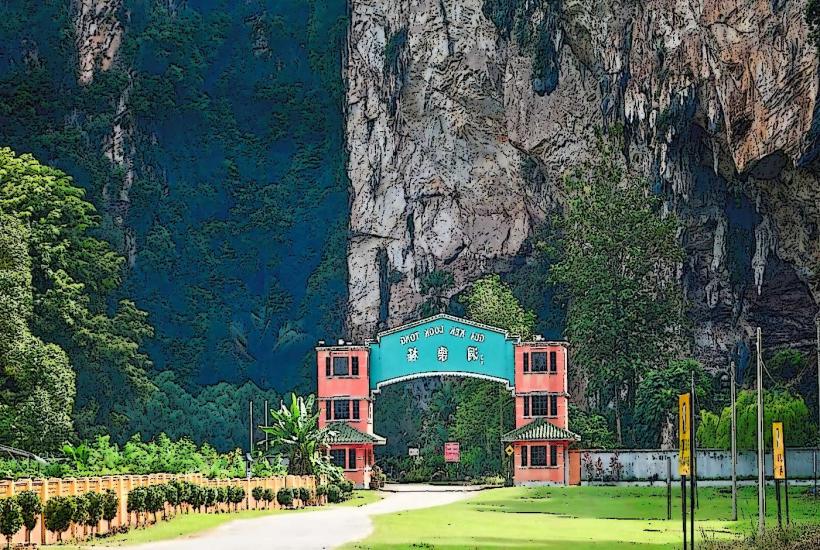
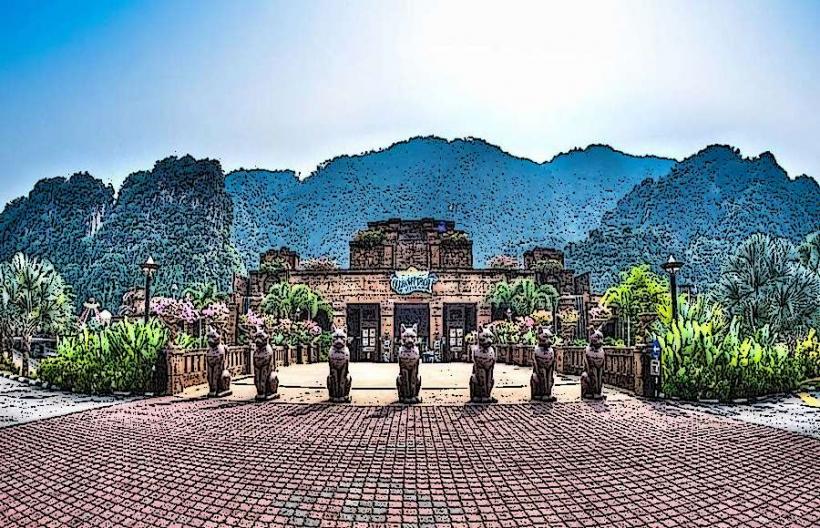
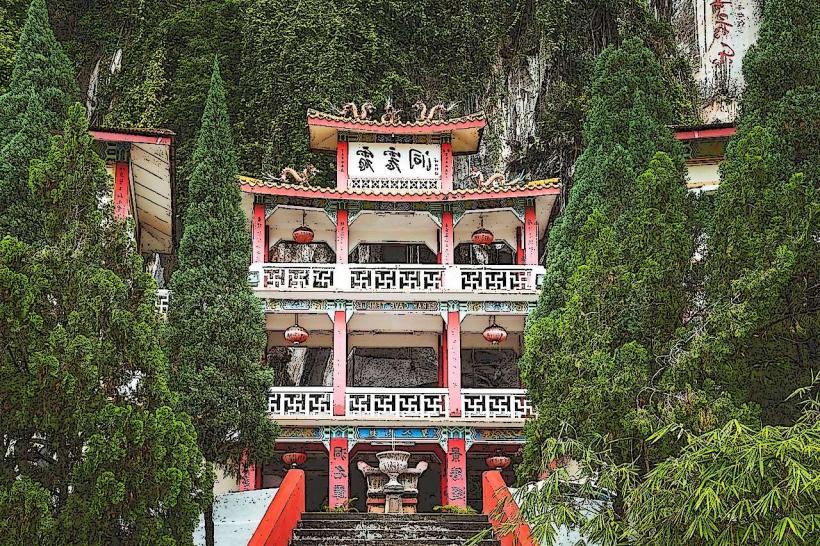
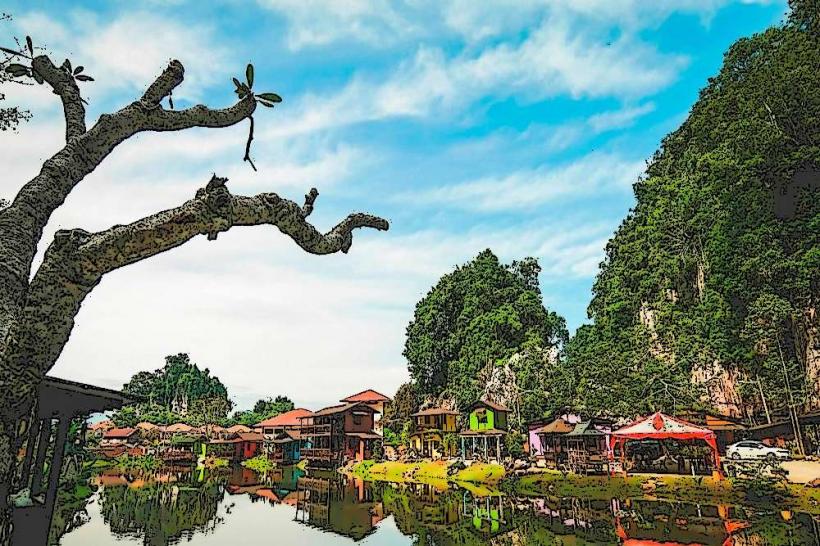
The village is situated within a karst landscape, characterized by towering limestone cliffs. Structures are built using a combination of concrete, wood, and repurposed materials. The color palette is dominated by natural rock grey, with accents of red and green from vegetation and painted elements. Several man-made caves and tunnels are integrated into the rock face. Water features, including small ponds and streams, are present throughout the site.
Location & Access Logistics
Qing Xin Ling is located approximately 7 kilometers west of Ipoh city center. Access is via Jalan Tambun. Visitors arriving by car will find a designated parking area at the entrance. Public transport options are limited; the nearest bus stop is approximately 2 kilometers away, requiring a walk or taxi to reach the village.
Historical & Ecological Origin
The site was originally a limestone quarry, operational for several decades. In the early 2000s, it was redeveloped into a leisure and cultural village. The geological formation is part of the Devonian period limestone karst system characteristic of the Kinta Valley.
Key Highlights & Activities
Activities include exploring the man-made caves and tunnels, observing the unique rock formations, and viewing the collection of antique furniture and cultural displays. Visitors can walk along designated paths and cross small bridges. Photography opportunities are available throughout the site.
Infrastructure & Amenities
Restrooms are available on-site. Limited shaded areas are provided by natural rock overhangs and some constructed shelters. Cell phone signal (4G) is generally available. Food vendors are present at the entrance to the village.
Best Time to Visit
The best time of day for photography is late morning or mid-afternoon to utilize the natural light on the rock faces. The months of March to October generally offer drier weather. No specific tide requirements apply.
Facts & Legends
A notable feature is the "Wishing Bridge," a narrow walkway built across a chasm, where visitors often tie ribbons with wishes. Local lore suggests the caves were once used by smugglers.
Nearby Landmarks
- Sam Poh Tong Temple (1.2km Southeast)
- Ling Sen Tong Temple (1.5km Southeast)
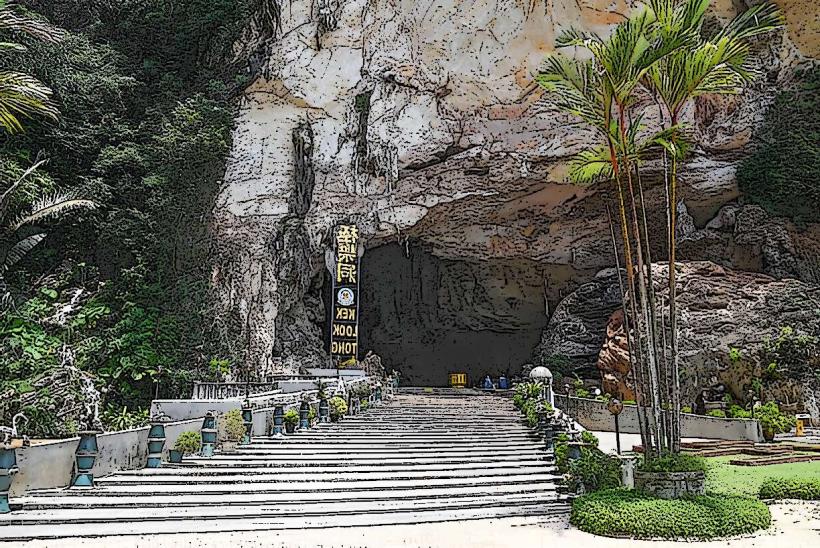
- Kek Lok Tong Temple (2.0km Southeast)
- Lost World of Tambun (3.5km Northeast)
- Gunung Lang Recreational Park (4.8km West)