Information
Landmark: Rabaul Volcano ObservatoryCity: Rabaul
Country: Papua New Guinea
Continent: Australia
Rabaul Volcano Observatory, Rabaul, Papua New Guinea, Australia
The Rabaul Volcano Observatory is a scientific research facility located in Rabaul, East New Britain Province, Papua New Guinea. It monitors seismic and volcanic activity in the region.
Visual Characteristics
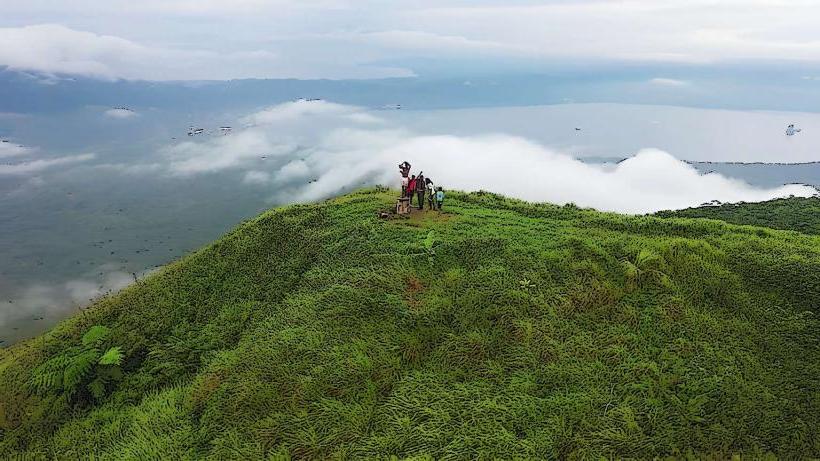
The observatory building is a low-profile, concrete structure designed to withstand seismic events. It features a functional, utilitarian design with minimal ornamentation. The surrounding area is characterized by tropical vegetation, with views of the Tavurvur and Vulcan volcanoes.
Location & Access Logistics
The observatory is situated approximately 3 kilometers west of Rabaul's central business district. Access is via the Rabaul-Kokopo Highway. Limited on-site parking is available for staff and authorized visitors. Public transport options directly to the observatory are not available; visitors typically arrange private transport or taxis from Rabaul.
Historical & Ecological Origin
Established in 1957, the Rabaul Volcano Observatory was initially built to monitor the frequent volcanic activity of the Rabaul caldera. The caldera itself is a large volcanic depression formed by a massive eruption approximately 500 years ago. The observatory's purpose is to provide early warning and scientific data on volcanic hazards.
Key Highlights & Activities
The primary function of the observatory is scientific monitoring. Public access to the internal facilities is restricted. Visitors can observe the exterior of the building and the surrounding volcanic landscape. Educational displays on local volcanism may be present in designated areas.
Infrastructure & Amenities
Restrooms are available for staff and authorized personnel. Limited shade is provided by the building structure. Cell phone signal (4G/5G) is generally available in the vicinity. No food vendors are located on-site; amenities are available in Rabaul town.
Best Time to Visit
The best time for external viewing and photography of the observatory and its surroundings is during daylight hours. The dry season, from June to September, offers clearer skies. Volcanic activity is unpredictable and can influence visibility and access.
Facts & Legends
A notable historical event associated with the observatory was its role in monitoring the 1994 Rabaul eruption, which significantly impacted the town. The observatory itself has been relocated and rebuilt multiple times due to volcanic activity and seismic events.
Nearby Landmarks
- 0.5km East: Rabaul Town Center
- 1.5km Northeast: Tavurvur Volcano
- 3.0km West: Vulcan Volcano
- 4.0km Southeast: Rabaul War Cemetery