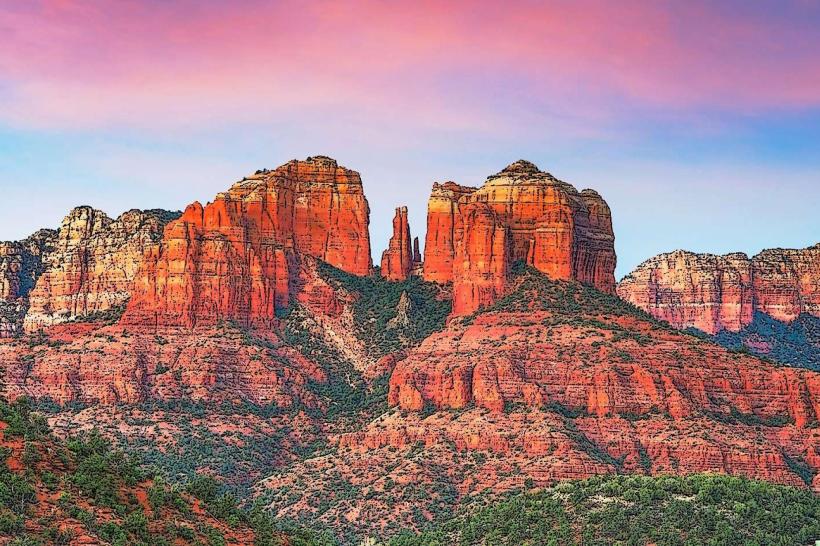
Landmark: Red Rock State Park
City: Sedona
Country: USA Arizona
Continent: North America
Red Rock State Park, Sedona, USA Arizona, North America
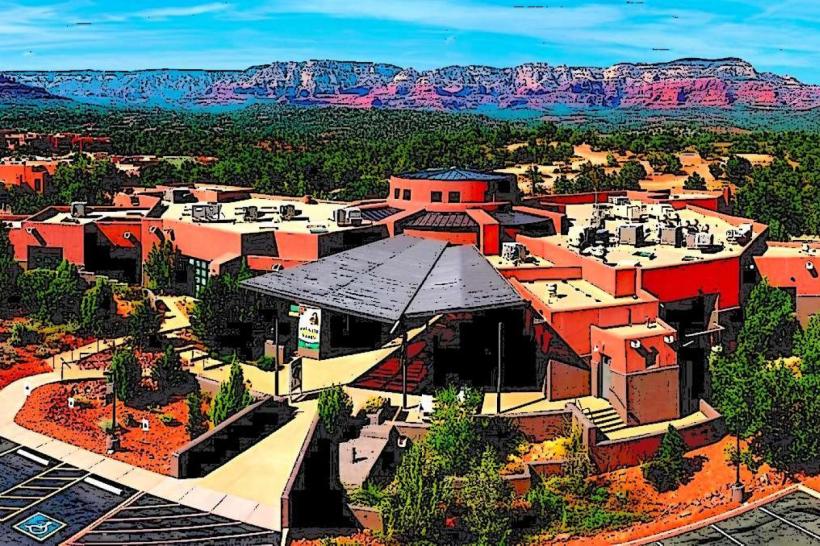
Red Rock State Park is a protected natural area located in Sedona, Arizona, USA. It encompasses 286 acres of high desert terrain.
Visual Characteristics
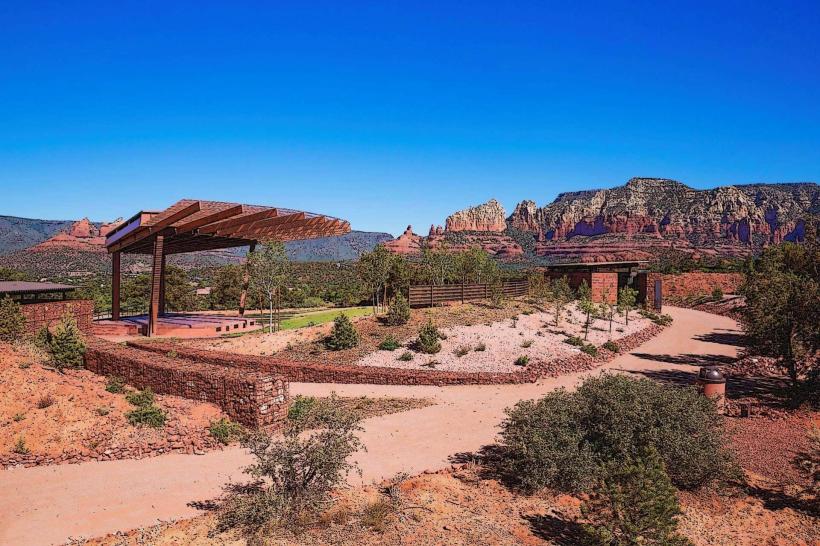
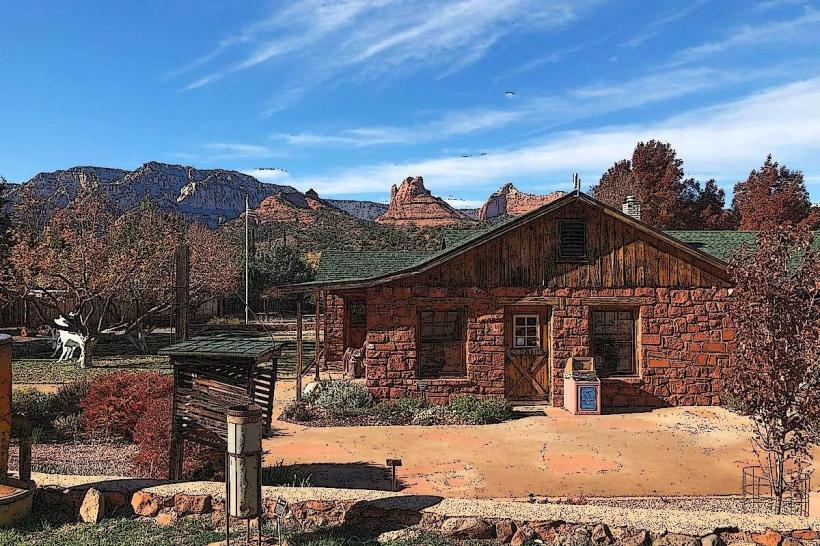
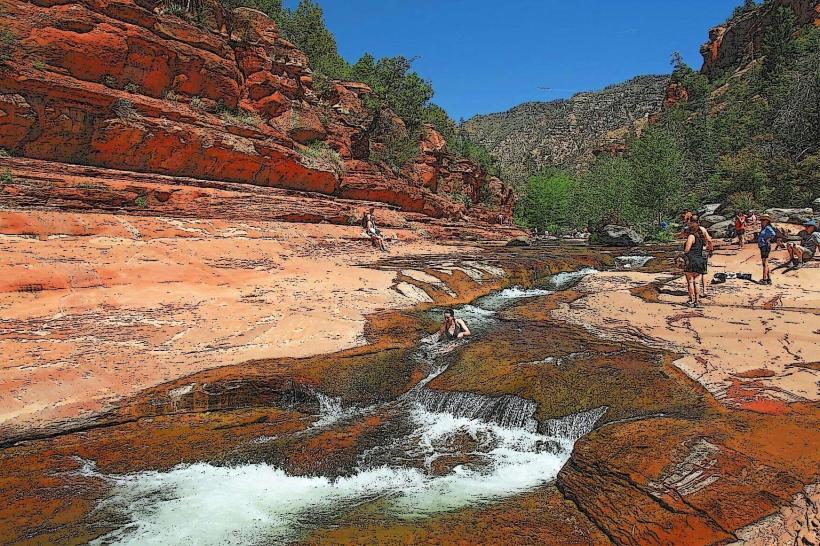
The park features prominent sandstone formations exhibiting hues of red, orange, and pink. These formations are characterized by steep cliffs, mesas, and buttes. The vegetation consists of desert flora, including juniper, pinyon pine, and various cacti. Oak Creek flows through the park, creating riparian zones with cottonwood trees.
Location & Access Logistics
Red Rock State Park is situated approximately 5 miles northwest of the Sedona city center. Access is via State Route 89A, turning onto Red Rock State Park Road. Ample parking is available within the park, with designated lots for visitors. No public transportation directly serves the park entrance.
Historical & Ecological Origin
The sandstone formations are part of the Supai Group and Hermit Shale, dating back to the Permian period, approximately 280-300 million years ago. These sedimentary rocks were deposited by ancient seas and rivers. The area has been utilized by indigenous peoples for millennia. The park was established in 1986 to preserve the natural landscape and provide public access.
Key Highlights & Activities
Hiking trails are available, including the Eagle's Nest Trail (2.8 miles roundtrip) and the Apache Fire Loop Trail (3 miles). Birdwatching is a primary activity, with over 150 species recorded. Photography opportunities are abundant, particularly during sunrise and sunset. Educational programs are offered at the Visitor Center.
Infrastructure & Amenities
Restrooms are available at the Visitor Center and along some trailheads. Shaded picnic areas are provided. Cell phone signal is intermittent within the park. Food vendors are not present within the park; visitors should bring their own provisions.
Best Time to Visit
For photography, early morning and late afternoon offer optimal lighting conditions on the sandstone. The best months for comfortable hiking temperatures are March through May and September through November. Summer months (June-August) can experience high temperatures.
Facts & Legends
The park is considered a spiritual vortex site by some, believed to possess concentrated energy. A specific geological feature known as "The Amphitheater" is a natural bowl-shaped formation within the sandstone.
Nearby Landmarks
- Chapel of the Holy Cross (2.5km Southeast)
- Bell Rock (4.0km Southeast)
- Cathedral Rock (3.5km Southwest)
- Airport Mesa (4.5km South)