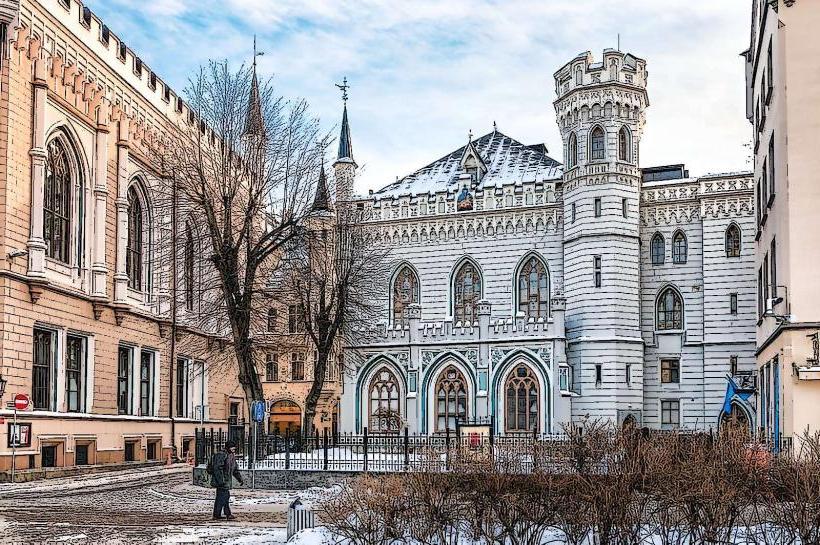
Landmark: Riga Old Town
City: Riga
Country: Latvia
Continent: Europe
Riga Old Town, Riga, Latvia, Europe
Riga Old Town is a UNESCO World Heritage site comprising the historic urban core of Riga, Latvia. It is situated on the east bank of the Daugava River, forming the central district of the city.
Visual Characteristics
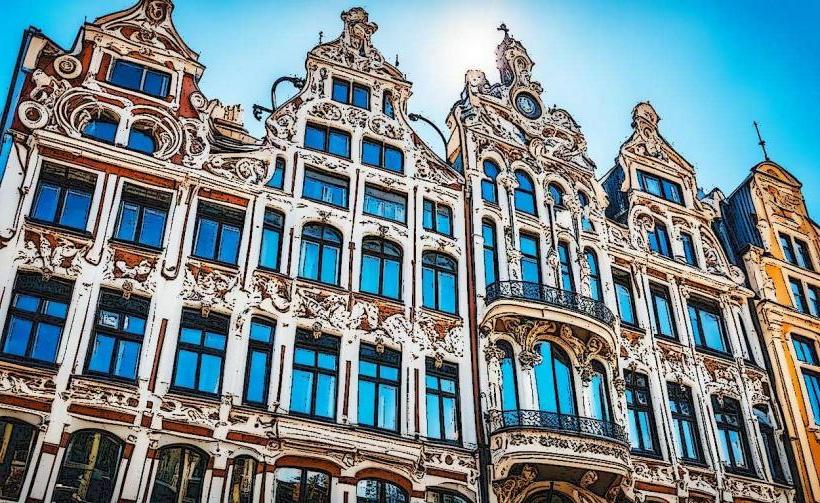
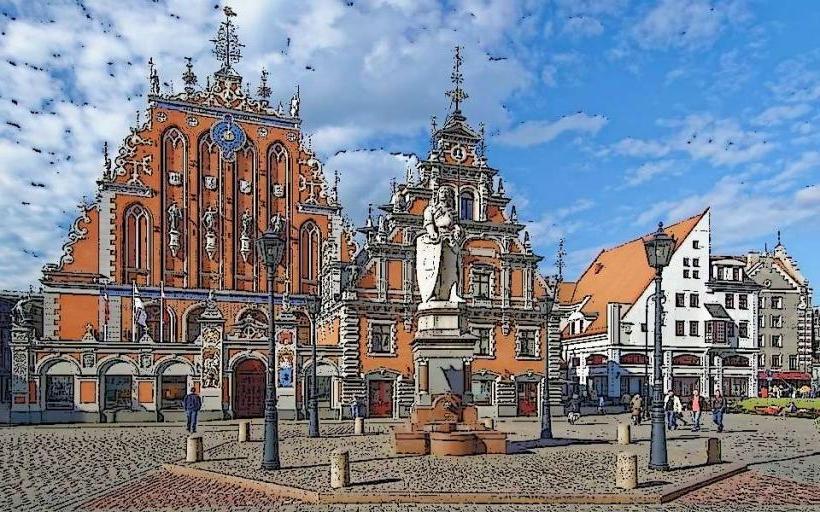
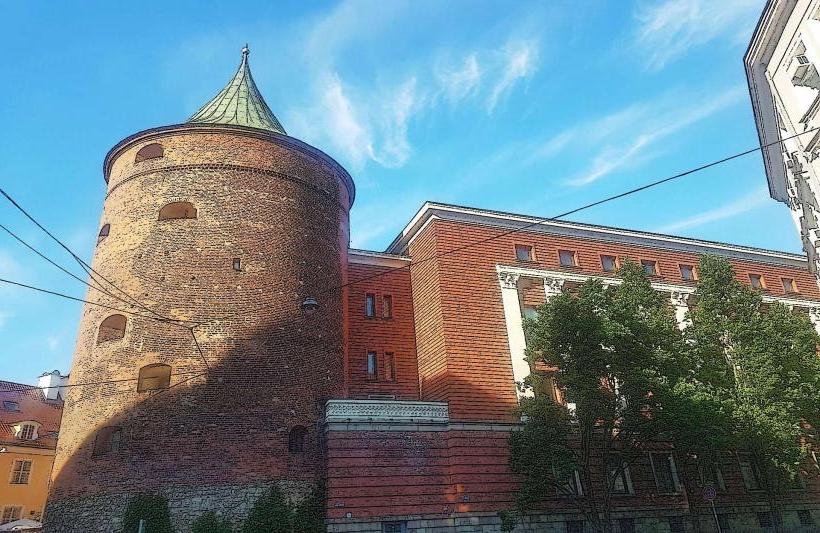
The area features a medieval street plan characterized by narrow, cobblestone alleys and irregular squares. Architectural styles range from 13th-century Gothic to 18th-century Baroque, with significant examples of Art Nouveau on its fringes. Buildings are predominantly constructed from brick, stone, and plaster, often painted in pastel shades or left as exposed red brick. Roofs are typically steep and covered with red tiles. The average building height is three to five stories, with prominent church spires, such as those of Riga Cathedral and St. Peter's Church, dominating the skyline.
Location & Access Logistics
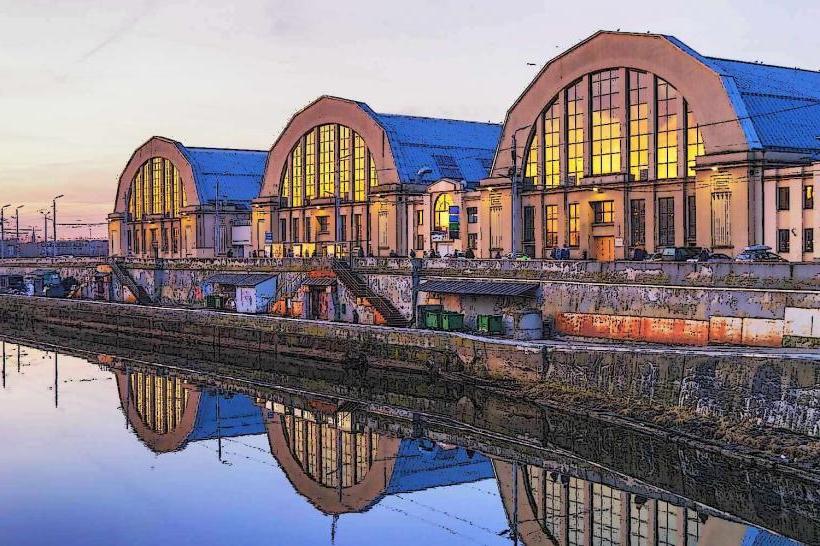
Riga Old Town is centrally located in Riga, bordered by the Daugava River to the west and the City Canal to the east. It is largely a pedestrian zone. Access is primarily via surrounding streets such as 11. novembra krastmala along the river or Aspazijas bulvāris and Zigfrīda Annas Meierovica bulvāris to the east. The area is approximately 0.5 km from Riga Central Station. Public parking is limited; paid parking garages are available on the periphery, including those near the Central Market or across the Stone Bridge. Numerous tram and bus lines stop at the perimeter of Old Town, with major hubs at Aspazijas bulvāris and 11. novembra krastmala.
Historical & Ecological Origin
Riga Old Town originated with the founding of Riga in 1201 by Bishop Albert of Livonia. Its original purpose was a fortified trading post and a strategic port city within the Hanseatic League. The urban layout developed organically over centuries, reflecting its growth as a commercial and religious center. Key structures, including the city walls and early churches, were constructed from the 13th century onwards, with significant rebuilding and architectural additions occurring during the Baroque and Art Nouveau periods.
Key Highlights & Activities
Visitors can engage in walking tours to observe the diverse architecture. Specific activities include ascending the tower of St. Peter's Church for panoramic views, exploring the interior of Riga Cathedral, and visiting the House of the Blackheads. Guided tours of the Old Town depart from various central points. Dining at traditional Latvian restaurants and browsing artisan shops are common activities. The Three Brothers complex offers insight into medieval residential architecture.
Infrastructure & Amenities
Public restrooms are available in designated areas and within most cafes and restaurants. Shade is provided by buildings along narrow streets and in some squares, though open areas can be exposed. Cell phone signal (4G/5G) is consistently strong throughout the area. Numerous food vendors, including restaurants, cafes, and bakeries, are readily available on most streets and squares.
Best Time to Visit
The best time for photography, particularly for capturing architectural details with favorable lighting, is generally in the early morning or late afternoon. The months of May through September offer the most pleasant weather conditions for walking and outdoor activities. December is popular for its Christmas markets. No specific tide requirements apply to this urban landmark.
Facts & Legends
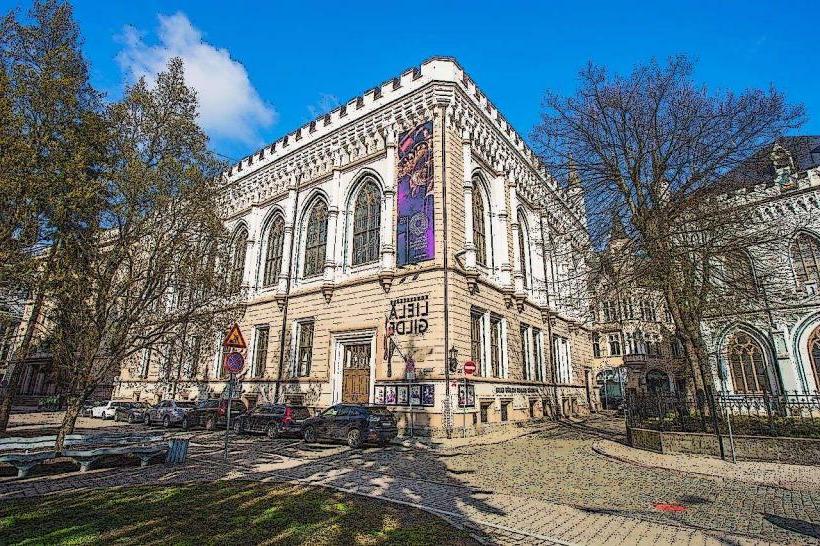
A local legend surrounds the Cat House (Kaķu nams) on Meistaru iela. The building's owner, a wealthy merchant, was reportedly denied membership in the Riga Great Guild. In retaliation, he commissioned two cat sculptures with arched backs and raised tails, placing them on his building's turrets with their tails pointed towards the Guild Hall across the street. The cats were later turned around after a legal dispute.
Nearby Landmarks
- Riga Central Market: 0.7km Southeast
- Freedom Monument: 0.4km East
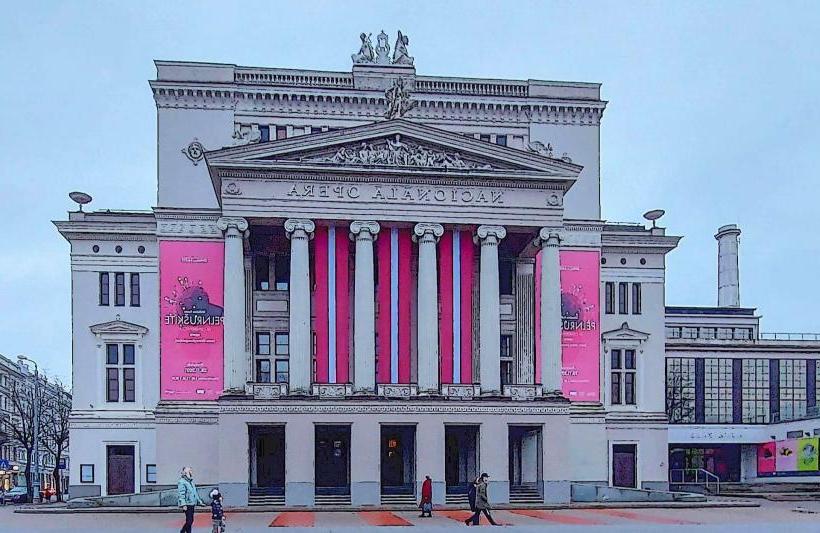
- Latvian National Opera: 0.5km Southeast
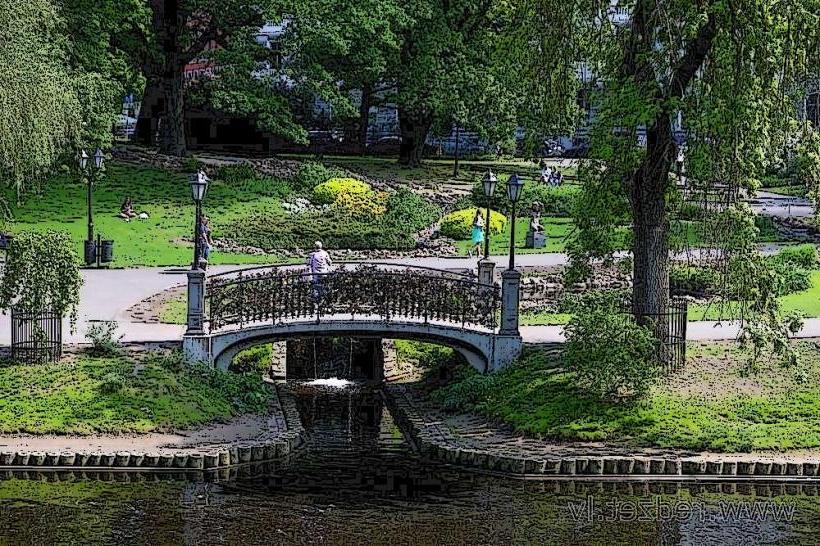
- Bastejkalns Park: 0.2km East
- Stone Bridge (Akmens tilts): 0.3km Southwest