Landmark: Ruby Mountains
City: Elko
Country: USA Nevada
Continent: North America
Ruby Mountains, Elko, USA Nevada, North America
The Ruby Mountains are a mountain range located in northeastern Nevada, USA, near the city of Elko.
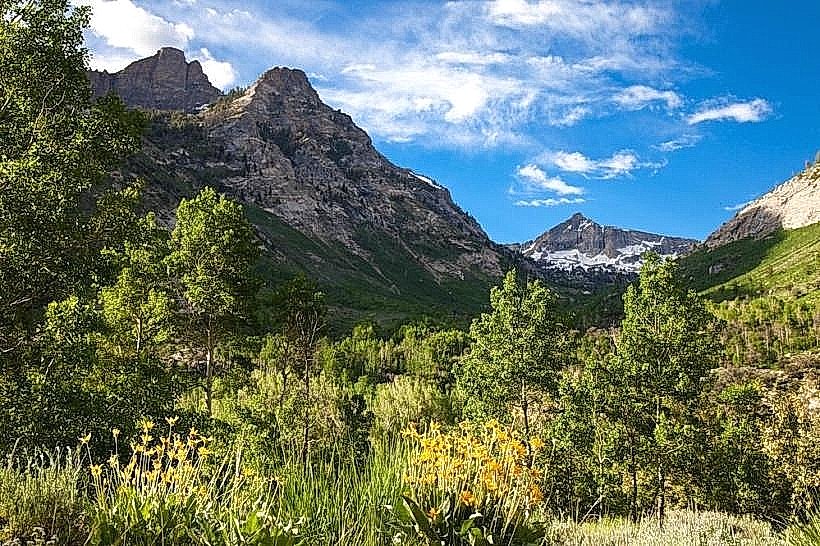
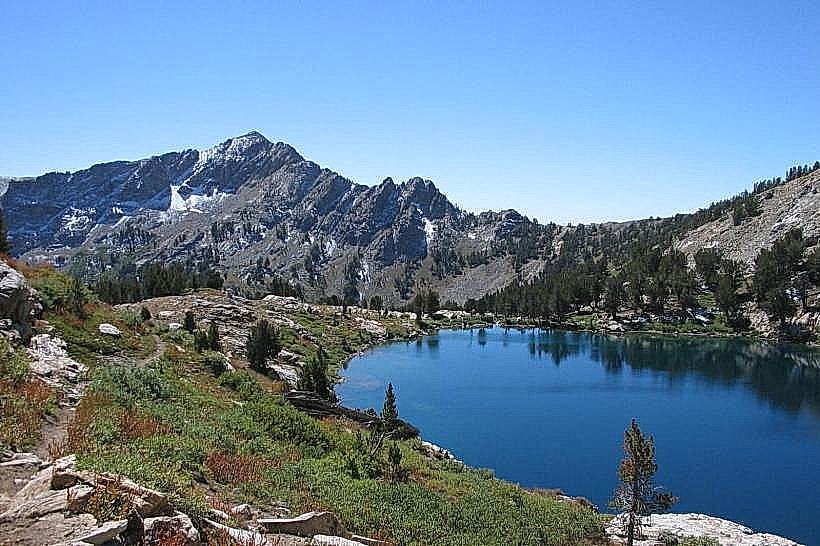
This range is characterized by its high peaks, alpine lakes, and rugged terrain.
Visual Characteristics
The Ruby Mountains are composed primarily of metamorphic rock, including schist and quartzite, giving the peaks a gray and brown appearance. Elevations reach over 11,000 feet, with significant snowpack persisting into late spring. The lower slopes are covered in sagebrush and juniper, transitioning to aspen and conifer forests at higher altitudes. Numerous alpine lakes, such as Lamoille Lake and Ruby Lake, are present, often with clear, cold water.
Location & Access Logistics
The Ruby Mountains are situated approximately 30 miles west of Elko, Nevada. Access is primarily via State Route 227 (Lamoille Highway) from Elko, which leads to the town of Lamoille. From Lamoille, Forest Service roads provide access to trailheads and camping areas. The Lamoille Canyon Scenic Byway (Forest Road 660) is a paved road that extends into the heart of the range for approximately 12 miles, offering access to several trailheads. Parking is available at designated pull-offs and trailheads along the scenic byway and at the Ruby Lake National Wildlife Refuge. No public transport services the mountain range directly.
Historical & Ecological Origin
The Ruby Mountains are a fault-block mountain range, formed by tectonic uplift and faulting approximately 40 million years ago. They are part of the Great Basin physiographic province. Ecologically, the range supports a diverse ecosystem, including a significant population of mule deer, bighorn sheep, and various bird species. The alpine lakes are remnants of glacial activity from the Pleistocene epoch.
Key Highlights & Activities
Hiking is a primary activity, with trails ranging from easy walks to strenuous climbs. Popular trails include the Lamoille Canyon Overlook Trail, the Ruby Crest National Recreation Trail (offering multi-day backpacking opportunities), and trails leading to alpine lakes like Liberty Lake and Dollar Lake. Fishing is permitted in designated lakes and streams. Wildlife viewing, particularly for bighorn sheep and birds, is common. Scenic driving along the Lamoille Canyon Scenic Byway is also a key activity.
Infrastructure & Amenities
Restrooms are available at some trailheads and picnic areas along the Lamoille Canyon Scenic Byway. Shade is provided by conifer and aspen forests at higher elevations. Cell phone signal is intermittent and generally unavailable in most of the range, especially at higher elevations. Food vendors are not present within the mountain range; provisions should be obtained in Elko or Lamoille.
Best Time to Visit
The best time for hiking and accessing higher elevation trails is from late June through September, after snowmelt. For photography, early morning and late afternoon light offers optimal illumination of the canyon walls and peaks. The Ruby Lake National Wildlife Refuge is best visited during spring and fall migration periods for birdwatching. High tide is not a relevant factor for this mountain range.
Facts & Legends
The Ruby Mountains are named for the ruby-like garnets found in the area, though large-scale mining never materialized. A unique geological feature is the presence of "fossil" ice caves, which can retain ice year-round in shaded crevices, even during summer months.
Nearby Landmarks
- Ruby Lake National Wildlife Refuge (0.5km South)
- Lamoille Canyon Scenic Byway (0km, the range itself)
- Town of Lamoille (5km South)
- Elko City Hall (30km East)
- Nevada Northern Railway Museum (45km Southeast, in Ely, but a significant regional attraction)