Information
Landmark: Saona IslandCity: Punta Cana
Country: Dominican Republic
Continent: North America
Saona Island, Punta Cana, Dominican Republic, North America
Saona Island is a large tropical island situated off the southeastern coast of the Dominican Republic, forming part of the Parque Nacional Cotubanamá. It is a protected natural reserve known for its pristine beaches and diverse marine ecosystems.
Visual Characteristics
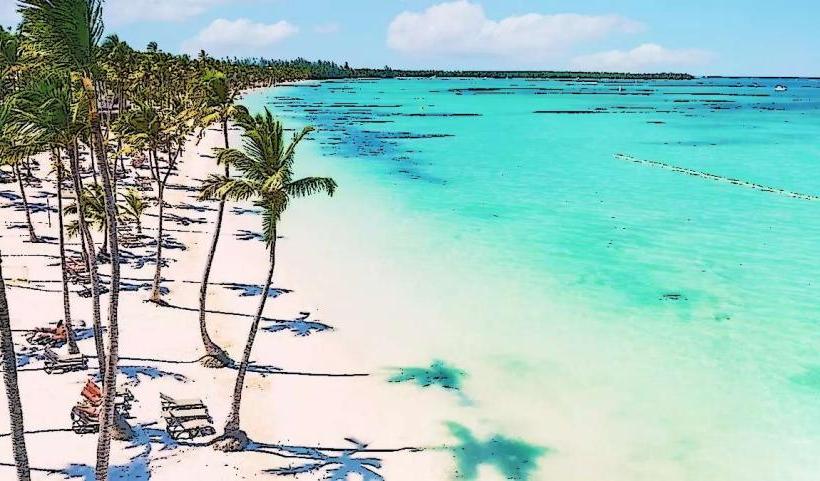
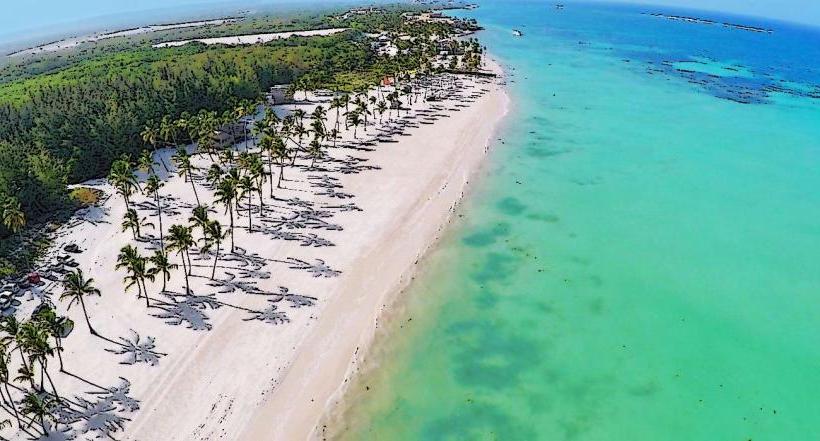
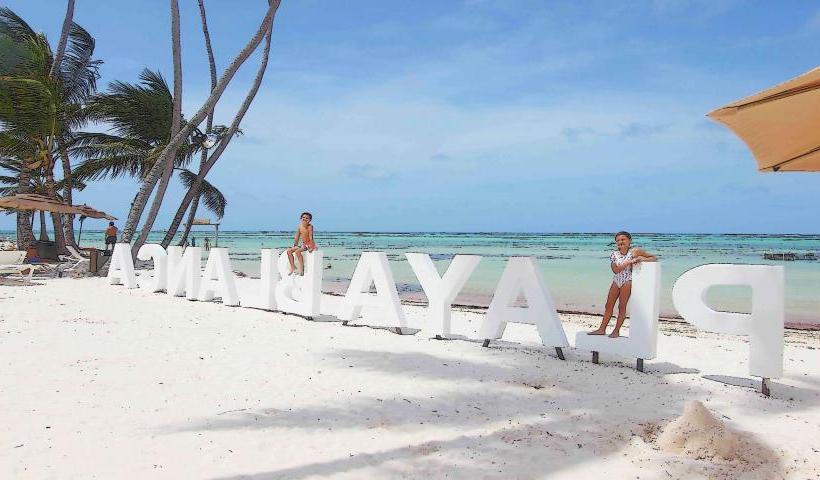
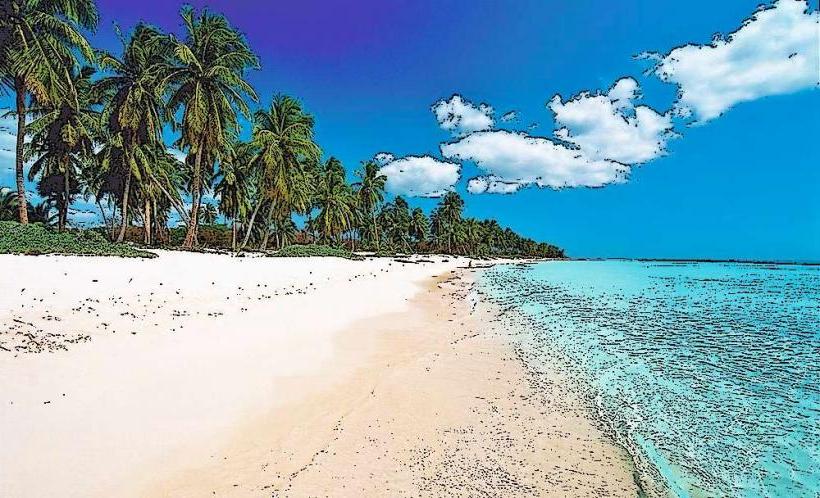
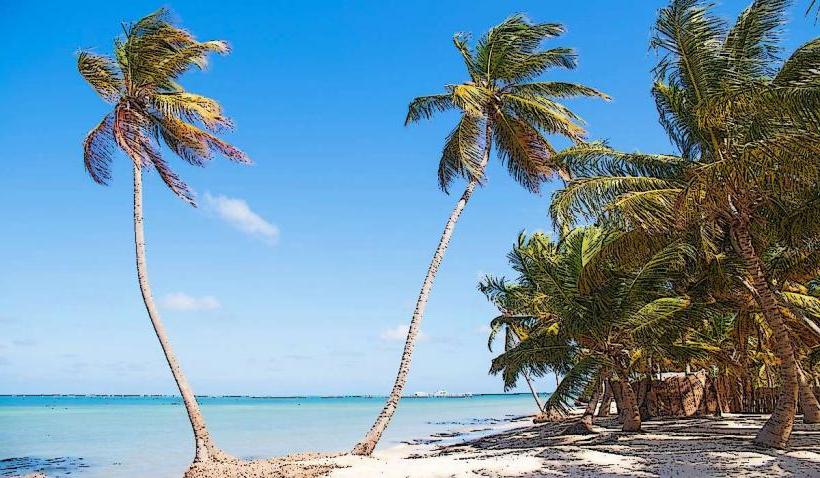
The island features extensive stretches of white sand beaches bordered by dense palm tree forests. The surrounding waters are characterized by clear, shallow turquoise hues, particularly in the natural sandbar pools. The coastline is generally low-lying with minimal rock formations, emphasizing the soft sand and lush vegetation.
Location & Access Logistics
Access to Saona Island is primarily via organized boat tours departing from Bayahibe, a coastal village approximately 70 kilometers west of Punta Cana. Tour operators typically provide round-trip transportation from hotels in Punta Cana to Bayahibe, followed by catamaran or speedboat transfers to the island. There is no direct road access to the island itself, and private vehicle parking is available at the Bayahibe departure points.
Historical & Ecological Origin
Saona Island was named by Christopher Columbus in 1494, after Savona, Italy. Ecologically, it is a low-lying coral island and a critical component of the Parque Nacional Cotubanamá (formerly Parque Nacional del Este). The island is a significant nesting site for several species of sea turtles and supports diverse bird populations, including flamingos and pelicans. Its formation is primarily due to coral reef growth and sedimentation over geological time.
Key Highlights & Activities
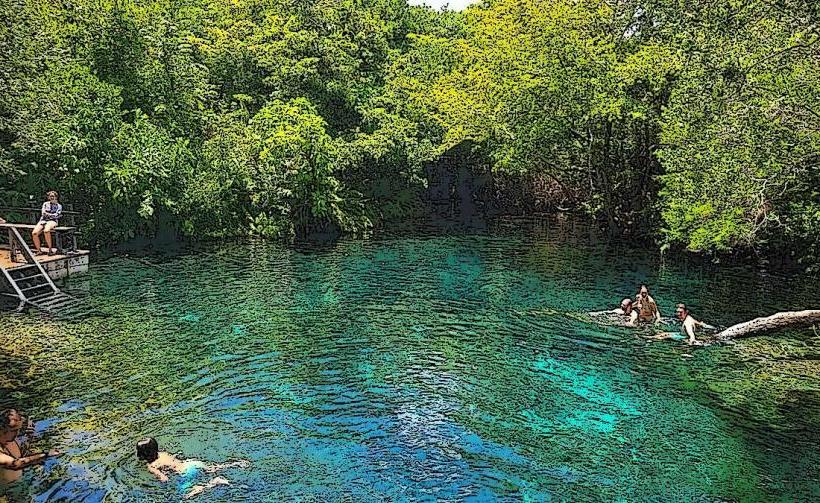
Visitors can swim in the shallow, clear waters of the natural pools, often encountering starfish. Snorkeling is possible in designated areas around the island's reefs. Relaxing on the white sand beaches, such as Canto de la Playa, is a primary activity. Guided excursions to the small fishing village of Mano Juan are also common, offering insight into local life. Exploring the island's mangrove channels is available on some tours.
Infrastructure & Amenities
Basic restroom facilities are available in the main tourist areas, particularly near Mano Juan Village and designated beach stops. Shade is primarily provided by natural palm trees. Cell phone signal (4G/5G) can be intermittent and unreliable across the island. Food and beverage services are typically provided by tour operators as part of package deals, offering local cuisine and drinks. There are no extensive commercial establishments.
Best Time to Visit
The optimal period to visit Saona Island is during the dry season, from December to April, when weather conditions are generally sunny with lower humidity. Visiting in the morning hours can offer a less crowded experience. Photography is best during mid-morning or late afternoon for softer light, avoiding harsh midday sun. Tidal conditions do not significantly impact general access, but natural pools are best enjoyed at moderate depths.
Facts & Legends
The island is a protected sanctuary for the endangered rhinoceros iguana. A local tip suggests that the clearest waters and most secluded spots are often found at Canto de la Playa, located at the island's southern tip, which requires a slightly longer boat journey.
Nearby Landmarks
- Mano Juan Village: 5km North (on Saona Island)
- Canto de la Playa: 0km South (southern tip of Saona Island)
- Natural Pool: 2km North-West (between Saona Island and mainland)
- Laguna de los Flamencos: 3km North-East (on Saona Island)