Landmark: Seven Star Park
City: Guilin
Country: China
Continent: Asia
Seven Star Park, Guilin, China, Asia
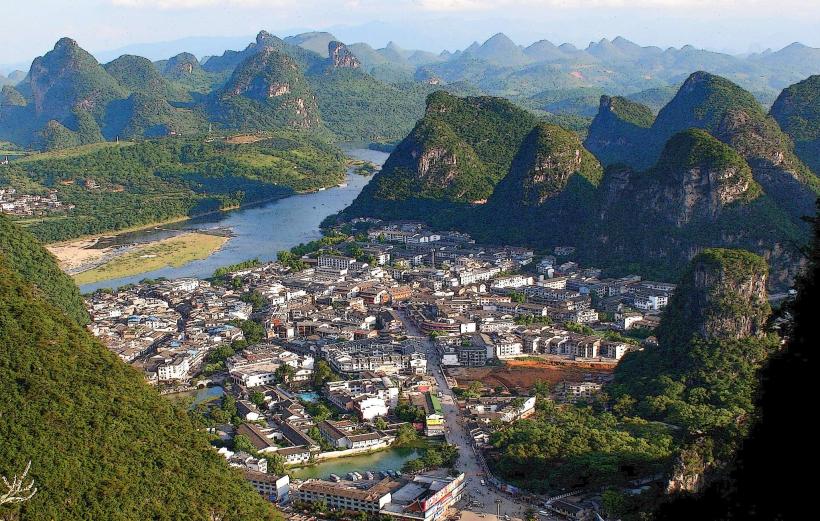
Seven Star Park is a large urban park located in Guilin, Guangxi, China. It encompasses a significant area of natural landscape and historical sites within the city limits.
Visual Characteristics
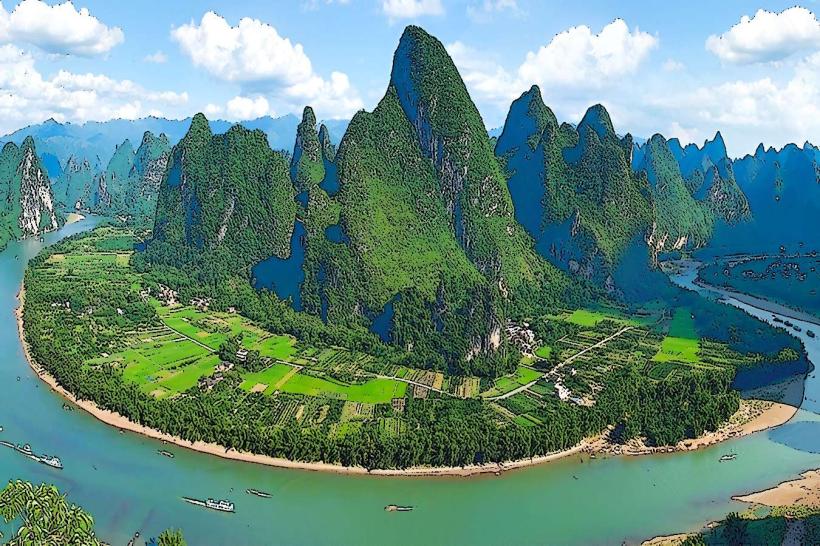
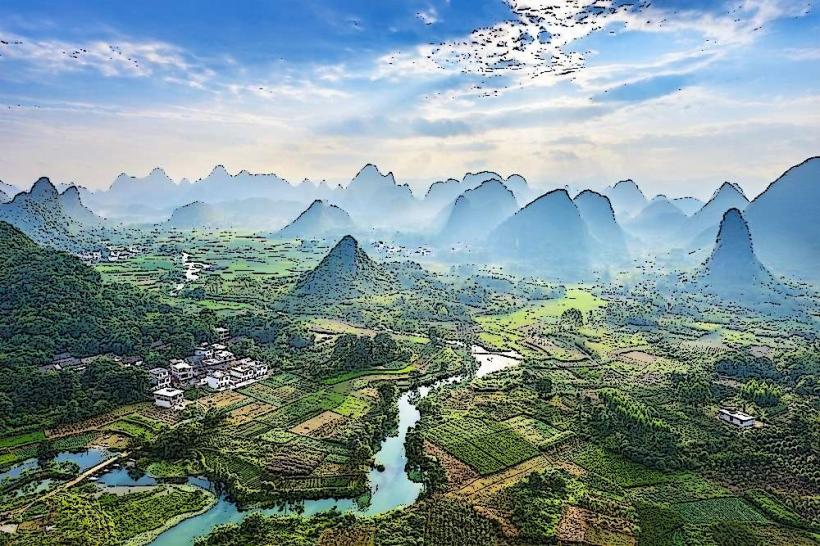
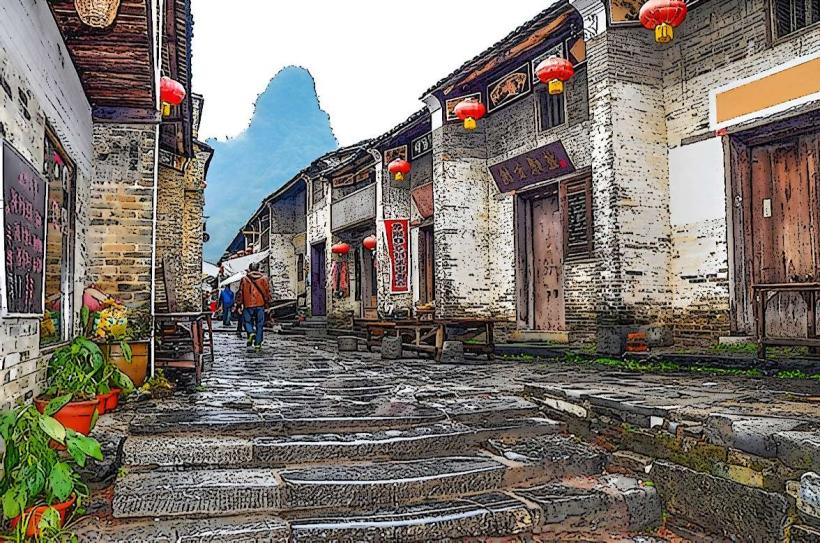
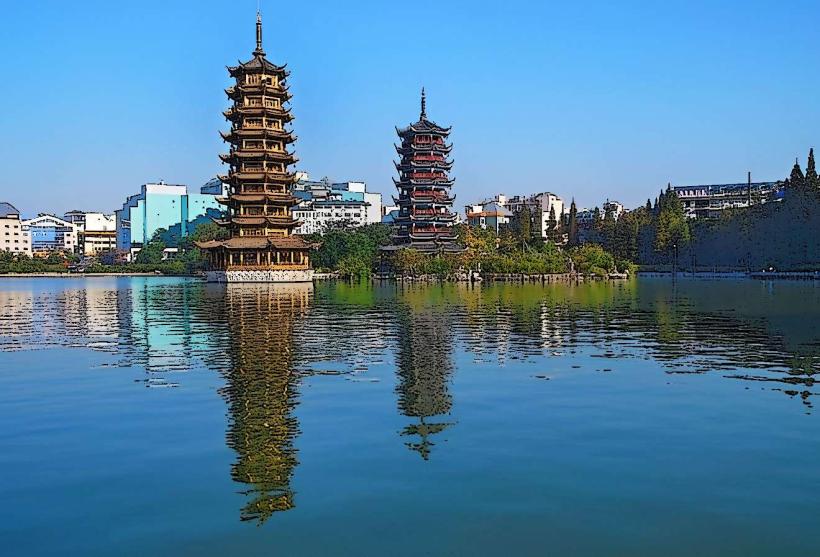
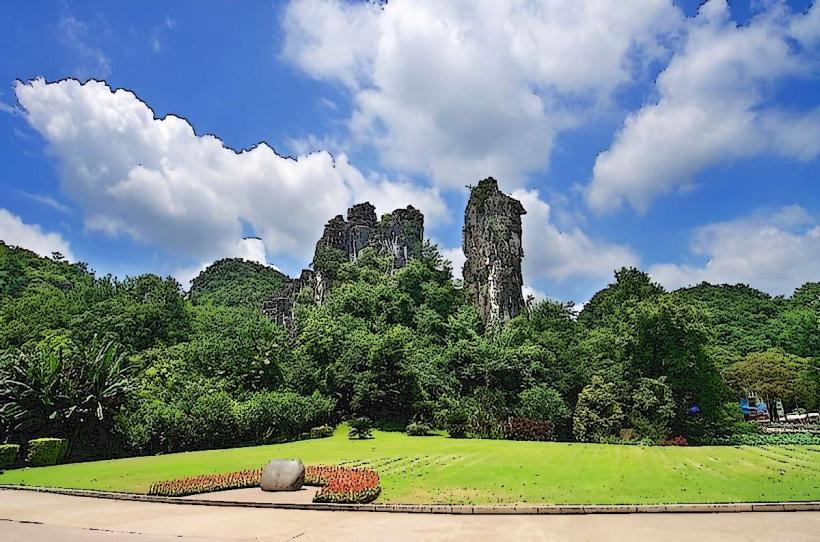
The park features karst topography, characterized by limestone hills with steep, conical shapes. The vegetation is dense, with a variety of trees, shrubs, and flowering plants. The Li River flows through the eastern section of the park. Structures within the park include traditional Chinese pavilions, pagodas, and bridges, constructed primarily from stone and wood, often painted in red and gold.
Location & Access Logistics
Seven Star Park is situated in the eastern part of Guilin, approximately 2 kilometers from the city center. Access is via Qixing Road. Public transport options include bus lines 1, 2, 3, 4, 5, 10, 11, 14, 18, 25, 30, 33, 52, and 58, all of which have stops near the park entrance. Parking is available at designated lots within the park's vicinity.
Historical & Ecological Origin
The park's geological formation is a result of karst processes, where soluble rocks like limestone are eroded by water over millions of years. Historically, the area has been a site of human activity for centuries, with evidence of habitation and cultivation dating back to the Tang Dynasty. The park was officially established and developed as a public space in 1958.
Key Highlights & Activities
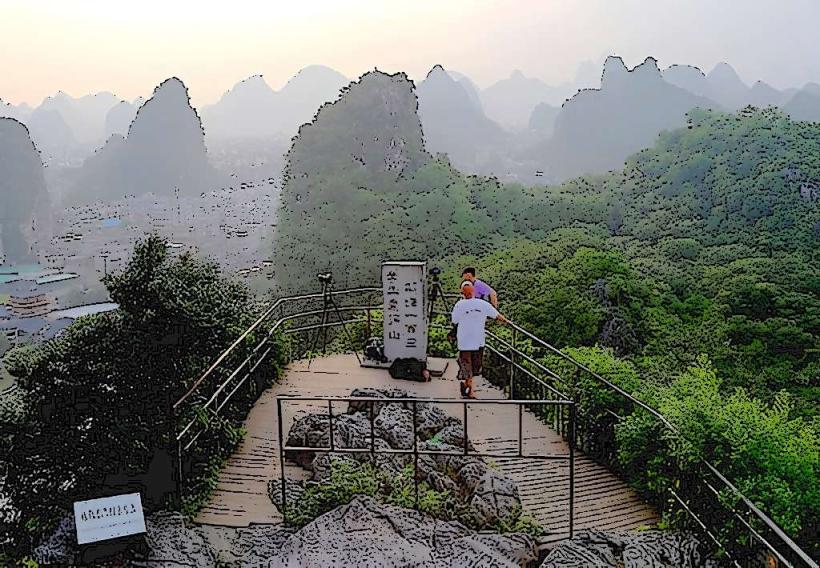
Visitors can explore the Qixing Cave, a large limestone cave system with illuminated formations. The Flower Bridge offers views of the Li River. Hiking trails wind through the park's hills, providing access to various viewpoints. The Seven Star Zoo is located within the park grounds. Boat rentals are available on the Li River.
Infrastructure & Amenities
Restrooms are located at multiple points throughout the park. Shaded areas are provided by trees and pavilions. Cell phone signal (4G/5G) is generally available. Food vendors and small restaurants are present near the main entrances and within the park.
Best Time to Visit
The best time of day for photography is generally in the morning or late afternoon when the sunlight creates distinct shadows on the karst formations. The most favorable months for visiting are April, May, September, and October, offering mild temperatures and lower rainfall. High tide is not a significant factor for park access.
Facts & Legends
The park is named after the seven peaks within its boundaries, which are said to resemble the Big Dipper constellation. A local legend states that the cave formations within Qixing Cave were created by dragons.
Nearby Landmarks
- Guilin Museum (0.8km West)
- Li River (0.3km East)
- Solitary Beauty Peak (1.5km Southwest)
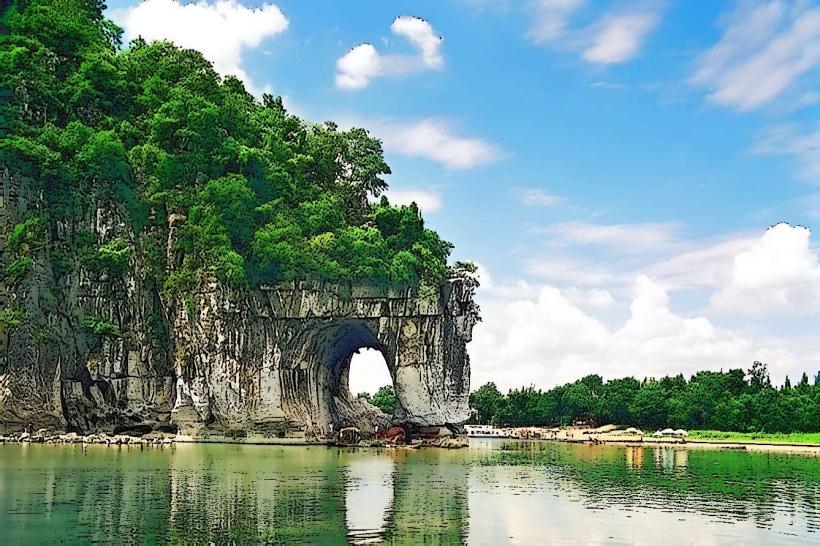
- Elephant Trunk Hill (3.2km Southwest)
- Fubo Hill (2.8km Southwest)