Landmark: Spice Plantations
City: Goa
Country: India
Continent: Asia
Spice Plantations, Goa, India, Asia
Goa's spice plantations are agricultural estates cultivating a variety of aromatic plants. They are situated in the interior regions of the Indian state of Goa.
Visual Characteristics
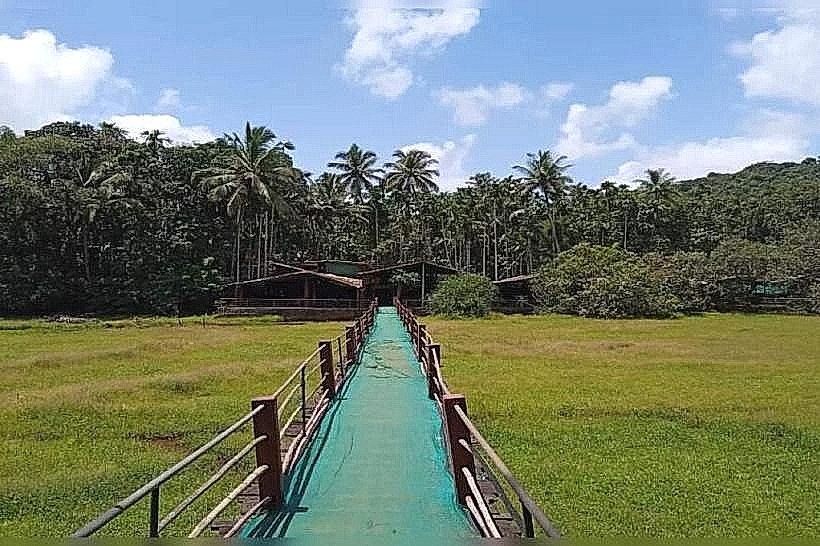
These plantations feature dense vegetation with rows of spice plants, including cardamom, vanilla, cinnamon, and nutmeg. The foliage is typically a deep green, with varying heights of plants and trees providing canopy cover. The soil is generally dark and fertile. Small streams or irrigation channels may be present throughout the estates.
Location & Access Logistics
Spice plantations are primarily located in the Ponda taluka of Goa, approximately 30-40 kilometers inland from Panaji. Access is typically via NH748 (Old Goa-Belgaum Highway) and then local roads. Specific plantations like Sahakari Spice Farm or Tropical Spice Plantation are well-marked. Parking is usually available on-site at designated areas. Public transport to Ponda town is available via state-run buses from Panaji (Bus Route 10). From Ponda, local taxis or auto-rickshaws can be hired to reach individual plantations.
Historical & Ecological Origin
The cultivation of spices in Goa dates back to the Portuguese colonial era, beginning in the late 17th century. The Portuguese introduced many of the spices grown today, aiming to establish a profitable trade. The region's tropical climate and fertile laterite soil are conducive to the growth of these perennial crops. The plantations represent a blend of agricultural practice and the region's natural biodiversity.
Key Highlights & Activities
Visitors can participate in guided walking tours through the plantations, where guides explain the cultivation and uses of various spices. Demonstrations of spice processing may be offered. Some plantations provide traditional Goan meals served on banana leaves. Elephant rides are sometimes available at larger estates. Birdwatching is also a common activity due to the diverse avian population.
Infrastructure & Amenities
Most established spice plantations offer restrooms for visitors. Shaded areas are provided by the natural canopy of trees and purpose-built shelters. Cell phone signal (4G/5G) is generally available, though it can be intermittent within dense foliage. Food vendors and small restaurants are often located within or adjacent to the plantation sites.
Best Time to Visit
The best time to visit Goa's spice plantations is during the post-monsoon season, from October to March. The weather is pleasant, with lower humidity and moderate temperatures. Mornings, between 9:00 AM and 11:00 AM, offer good lighting for photography and cooler temperatures for walking tours. The monsoon season (June to September) can make access difficult due to heavy rainfall.
Facts & Legends
A unique aspect of these plantations is the practice of "spice bathing," where visitors can experience a natural exfoliation using ground spices. Historically, the Portuguese controlled the spice trade from Goa, making it a significant hub for commodities like pepper and cloves.
Nearby Landmarks
- Old Goa Historical Churches (10km Northwest)
- Mangeshi Temple (5km West)
- Shanta Durga Temple (6km West)
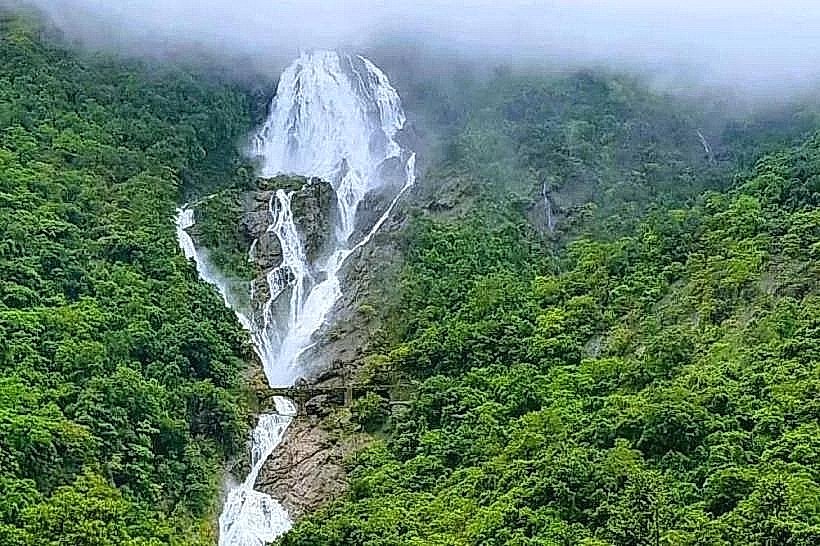
- Dudhsagar Falls (45km Southeast - requires separate travel arrangements)
- Panaji City (35km Northwest)