Landmark: St. Peter and Paul Monastery
City: Bitola
Country: North Macedonia
Continent: Europe
St. Peter and Paul Monastery, Bitola, North Macedonia, Europe
The St. Peter and Paul Monastery is an Eastern Orthodox monastic complex situated on the eastern slopes of Baba Mountain, approximately 8 kilometers southeast of the city of Bitola, North Macedonia.
Visual Characteristics
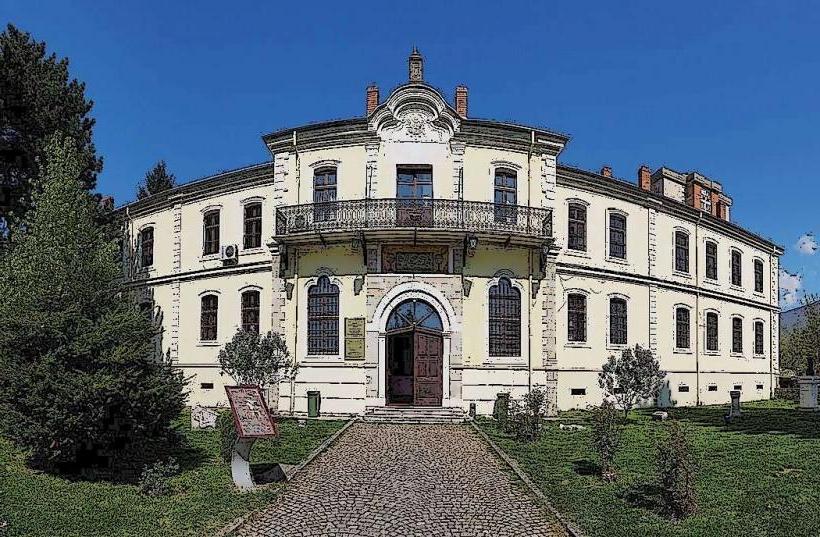
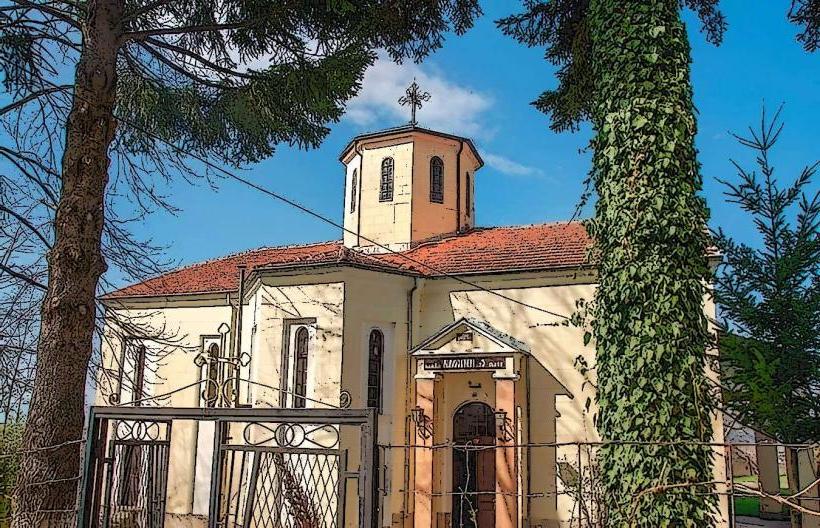
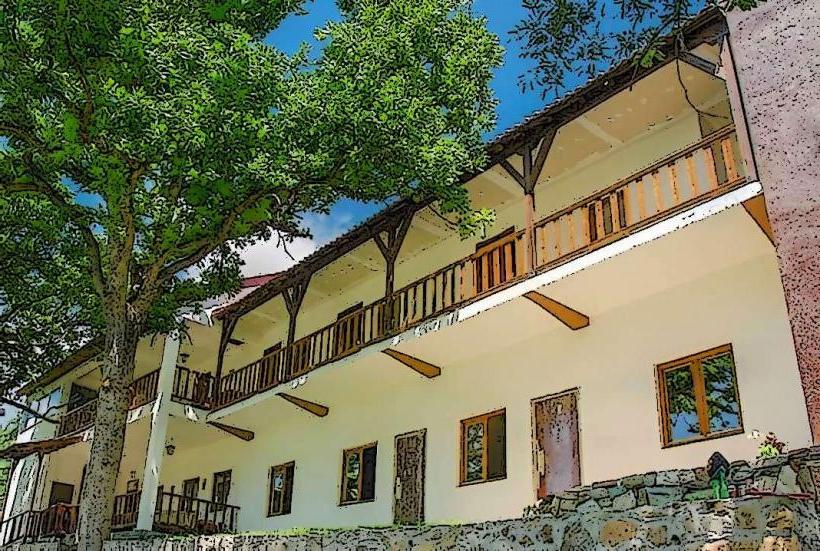
The monastery complex features a central church constructed primarily from local stone, exhibiting a traditional Macedonian ecclesiastical architectural style. The exterior walls are unadorned stone, while the interior contains frescoes depicting biblical scenes and saints. A distinct bell tower stands adjacent to the main church. The roof is typically tiled, and the overall structure is compact, designed to withstand mountain conditions.
Location & Access Logistics
The monastery is located near the village of Bukovo. Access from Bitola city center is via the regional road leading towards Bukovo. The drive covers approximately 8 kilometers and takes about 15-20 minutes. Limited parking is available directly at the monastery entrance. Public transport options include local bus lines from Bitola to Bukovo village, followed by a walk of approximately 2 kilometers uphill to the monastery.
Historical & Ecological Origin
The St. Peter and Paul Monastery dates its origins to the 14th century, with significant reconstructions and expansions occurring in the 17th and 19th centuries. Its original purpose was a center for Orthodox monastic life and worship. The specific architect for its various phases is not widely documented, as is common for many older monastic sites in the region.
Key Highlights & Activities
Visitors can observe the historical architecture and interior frescoes of the main church. Attending Orthodox liturgy is possible during designated service times. The surrounding area offers opportunities for light hiking on marked trails within the lower reaches of Baba Mountain. Photography of the exterior is permitted.
Infrastructure & Amenities
Basic restroom facilities are available on-site. Natural shade is provided by surrounding trees and the monastery buildings. Cell phone signal (4G) is generally available but may be intermittent in certain areas due to the mountainous terrain. There are no dedicated food vendors directly at the monastery; the nearest options are in Bukovo village.
Best Time to Visit
The optimal time to visit is during the spring (April-June) and autumn (September-October) months for mild weather conditions suitable for exploration and hiking. Morning hours are recommended for photography, as the eastern orientation of the church allows for favorable natural light on the facade. The monastery is accessible year-round, though winter visits may be affected by snow and colder temperatures.
Facts & Legends
A local legend recounts that the monastery's location was chosen after a miraculous appearance of the saints to a local shepherd. The monastery is also known for its collection of old manuscripts and icons, some of which are believed to possess healing properties by local devotees. A specific tip for visitors is to inquire about the small spring nearby, often considered holy water.
Nearby Landmarks
- Heraclea Lyncestis: 6km Northwest
- Shirok Sokak Street (Bitola city center): 8km Northwest
- Bitola Clock Tower: 8.5km Northwest
- Pelister National Park (entrance): 12km West
- Bukovo Village: 2km West