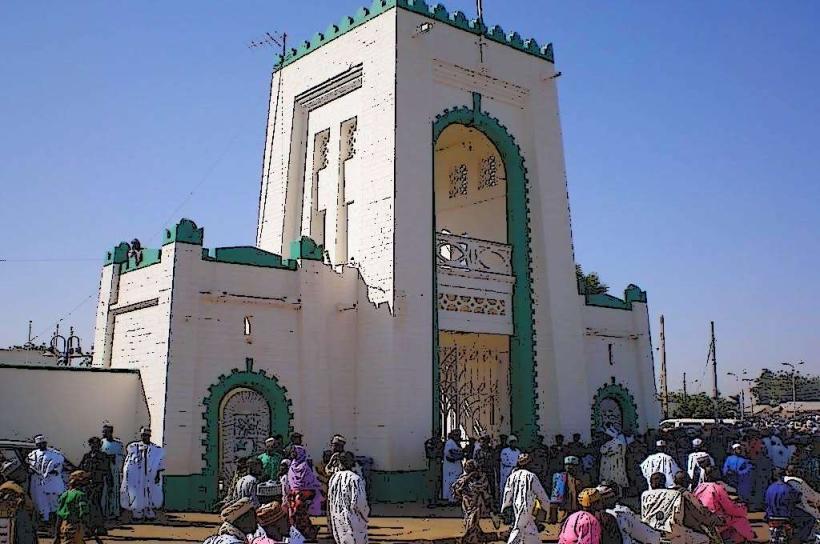
Landmark: Sultan’s Palace Sokoto
City: Sokoto
Country: Nigeria
Continent: Africa
Sultan’s Palace Sokoto, Sokoto, Nigeria, Africa
The Sultan's Palace, also known as Gidan Sarki, is a significant historical and administrative building located in Sokoto, Nigeria.
It serves as the official residence of the Sultan of Sokoto, the spiritual leader of Nigerian Muslims.
Visual Characteristics
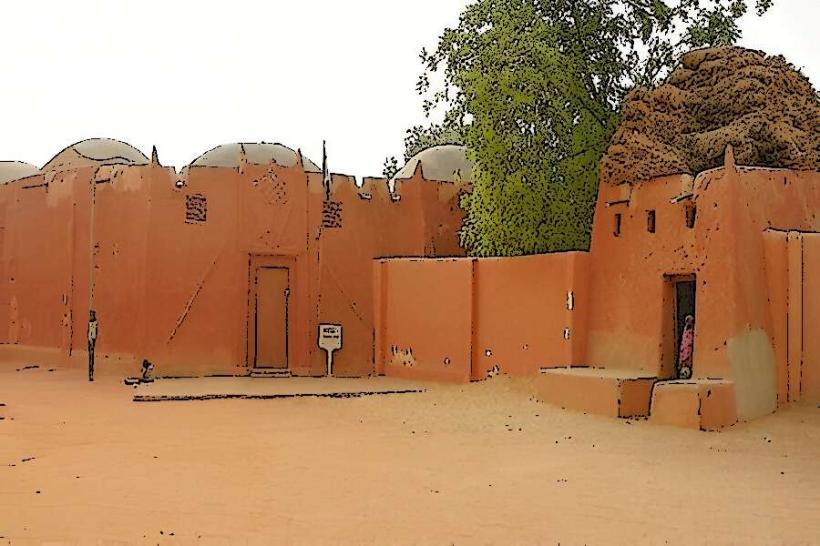
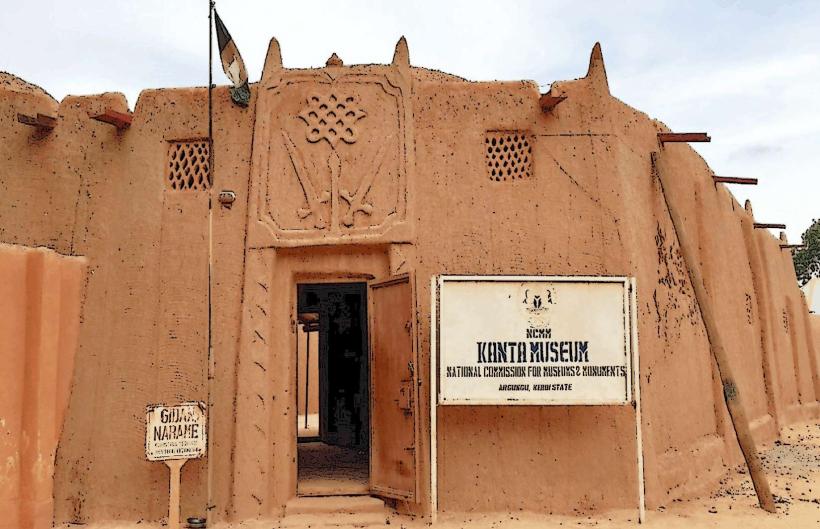
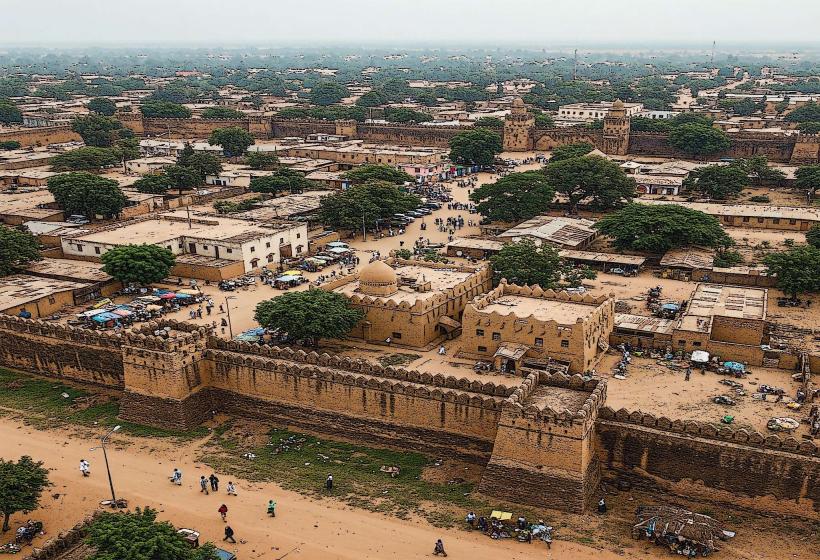
The palace is constructed primarily from red laterite mud bricks, a common building material in the region. Its architecture reflects traditional Hausa and Fulani styles, featuring flat roofs, arched doorways, and decorative crenellations. The main structure is a series of interconnected courtyards and buildings, with a central administrative block and residential quarters. The exterior walls are typically whitewashed or left in their natural reddish-brown hue.
Location & Access Logistics
The Sultan's Palace is situated in the heart of Sokoto city, approximately 1 kilometer (0.6 miles) west of the central market. Access is via major city roads, including Ahmadu Bello Way. Limited public parking is available on-site, primarily for official vehicles and pre-arranged visitors. Public transport within Sokoto consists of taxis and minibuses; specific routes do not directly serve the palace entrance, requiring a short walk from main thoroughfares.
Historical & Ecological Origin
The current palace structure dates back to the early 20th century, built on the site of earlier royal residences. It was commissioned during the reign of Sultan Muhammadu Tambari. The original purpose was to consolidate the administrative and residential functions of the Sultanate, reflecting the continuity of Sokoto's historical importance as a center of Islamic scholarship and governance.
Key Highlights & Activities
Visitors can observe the palace's exterior architecture and the surrounding grounds. Access to the interior is restricted to official guests and specific ceremonial occasions. Photography of the exterior is permitted from designated public areas. The palace grounds are a focal point for community gatherings during religious festivals.
Infrastructure & Amenities
Basic amenities such as public restrooms are not available for visitors. Shade is provided by the building's overhangs and courtyards. Cell phone signal (4G/5G) is generally available within the vicinity of the palace. There are no food vendors directly at the palace; options are available in the nearby city center.
Best Time to Visit
The best time for external viewing and photography is during the morning or late afternoon when the sunlight provides optimal illumination of the red brickwork. The dry season, from November to March, offers the most pleasant weather conditions for visiting Sokoto. There are no tide-related considerations.
Facts & Legends
A notable historical fact is that the palace has continuously housed the Sultan of Sokoto since the establishment of the Sokoto Caliphate in 1809, though the physical structures have evolved over time. A local tradition holds that the original site of the palace was chosen for its strategic elevation and proximity to a natural water source, now integrated into the city's infrastructure.
Nearby Landmarks
- Sokoto Central Mosque (0.8km East)
- Sokoto Central Market (1km East)
- Usman Dan Fodio University (3.5km North)
- Sokoto State Government House (1.2km Southeast)
- National Museum Sokoto (1.5km East)