Landmark: Tartu Bridge
City: Tartu
Country: Estonia
Continent: Europe
Tartu Bridge, Tartu, Estonia, Europe
Visual Characteristics
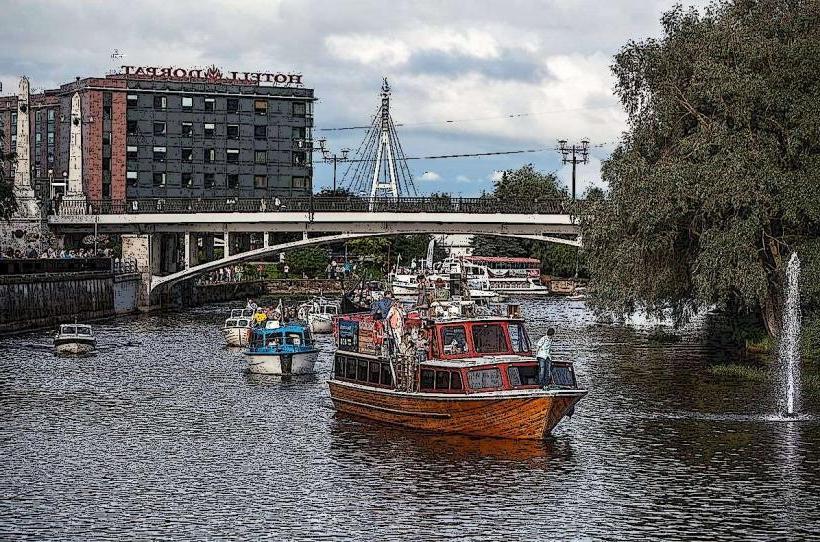
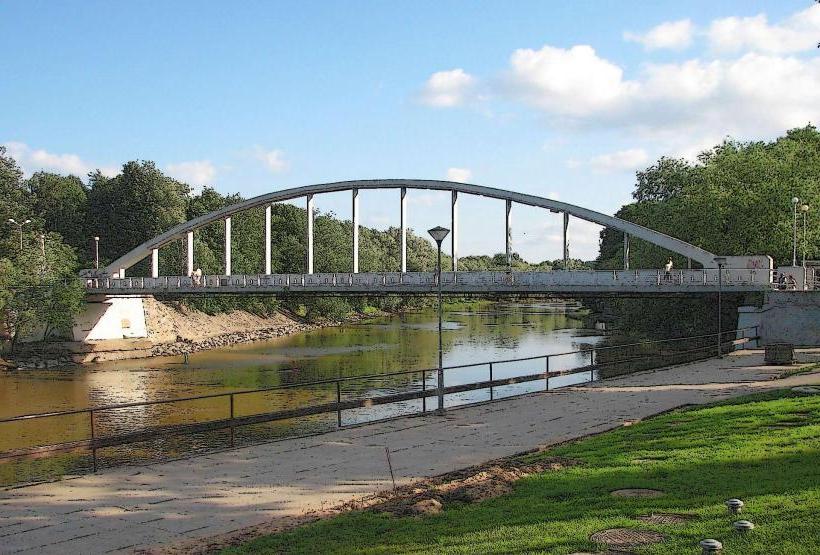
The Kaarsild is a concrete arch bridge, predominantly light grey in color. It features a distinctive parabolic arch structure that supports the bridge deck from below. The bridge measures approximately 57 meters in length and 10 meters in width. Its design is functional and modern, providing an unobstructed view of the river and surrounding cityscape.
Location & Access Logistics
The Kaarsild is centrally located in Tartu, connecting Rüütli Street on the west bank with Vabaduse Puiestee on the east bank. It is situated directly adjacent to Tartu Town Hall Square, approximately 0.1 kilometers from the square's center. Public parking is available in designated paid zones along Vabaduse Puiestee and Ülikooli Street, typically within 0.2-0.4 kilometers. Numerous city bus lines, including routes 1, 3, 5, and 7, have stops at the Kaubamaja or Raekoja Plats stations, both within 0.2 kilometers of the bridge.
Historical & Ecological Origin
The current Kaarsild was constructed in 1959, replacing the previous Kivisild (Stone Bridge) which was destroyed during World War II. The architect responsible for its design was Peeter Vare. Its original purpose was to re-establish a pedestrian crossing over the Emajõgi River in the city's core. The bridge underwent significant renovation and reconstruction in 2017, maintaining its original architectural form while improving structural integrity and pedestrian safety.
Key Highlights & Activities
Crossing the Kaarsild offers panoramic views of the Emajõgi River and the historic buildings lining its banks. Pedestrians can observe river traffic, including tour boats and kayaks. The bridge is a common thoroughfare for accessing the shops and restaurants on both sides of the river. It is also a popular spot for photography, particularly capturing the city skyline and the river itself.
Infrastructure & Amenities
The Kaarsild itself does not feature dedicated restrooms or shade structures. Public restrooms are available in nearby commercial establishments and the Tartu Town Hall, located within 0.1-0.2 kilometers. Reliable 4G and 5G cellular network coverage is available across the bridge. Numerous cafes, restaurants, and kiosks are situated immediately adjacent to both ends of the bridge, offering various food and beverage options.
Best Time to Visit
The bridge is accessible year-round. For photography, early morning (sunrise) or late afternoon (sunset) provides optimal lighting conditions, casting long shadows and warm hues on the river and city. The months of May through September offer the most favorable weather for walking and outdoor activities, with milder temperatures and less precipitation. There are no specific tide requirements for visiting, as the Emajõgi River is not tidal.
Facts & Legends
A unique feature of the Kaarsild is its design, which allows for a narrow, unofficial walkway directly beneath the arch. This path is not intended for public use and requires careful navigation. The bridge is also known for its "swinging" sensation, particularly when many people are crossing, a characteristic of its flexible arch design. It replaced the historic Kivisild, a grand stone bridge built in the 18th century, which was a symbol of Tartu before its destruction.
Nearby Landmarks
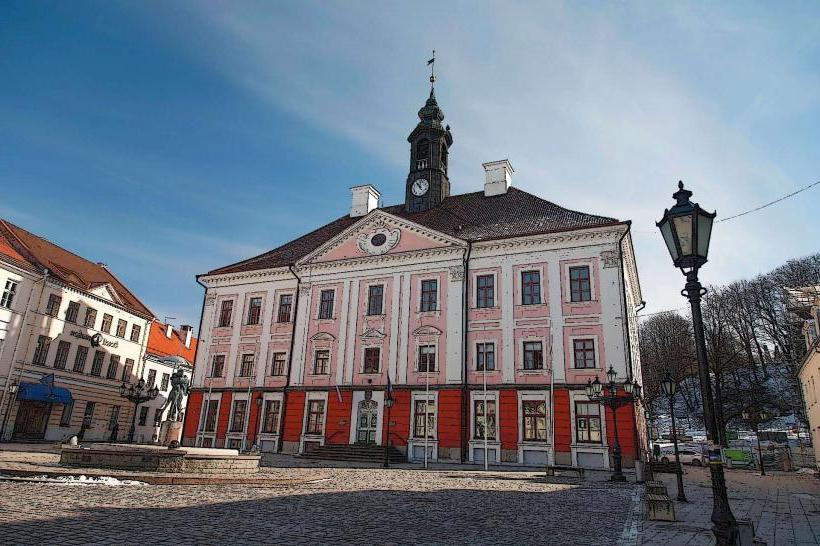
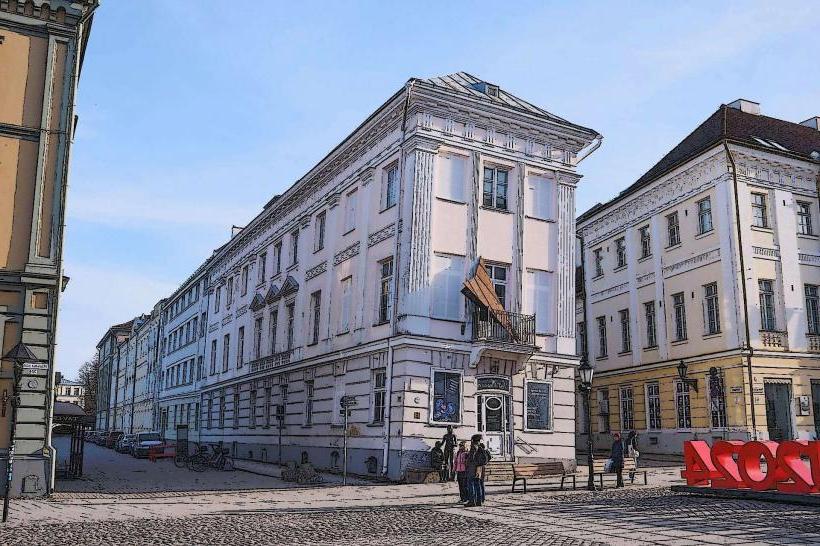
- Tartu Town Hall Square: 0.1km West
- Tartu Town Hall: 0.1km West
- University of Tartu Main Building: 0.3km Southwest
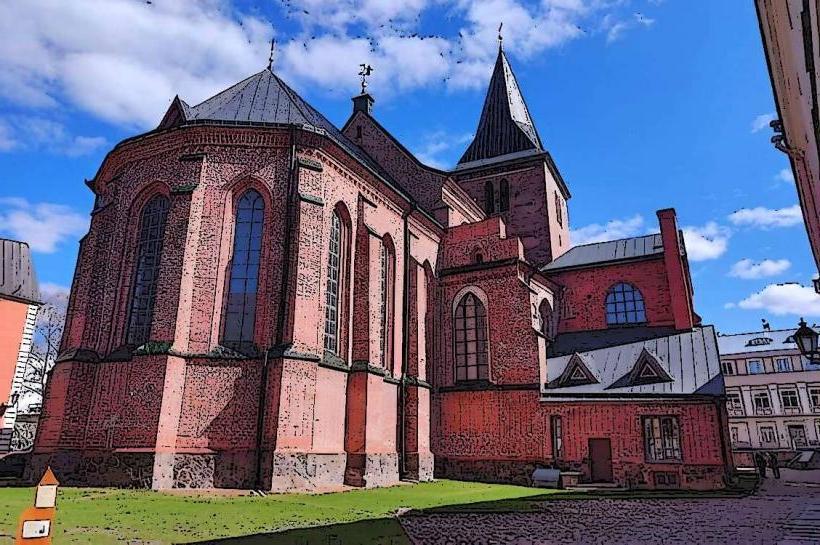
- St. John's Church (Jaani Kirik): 0.4km Northwest
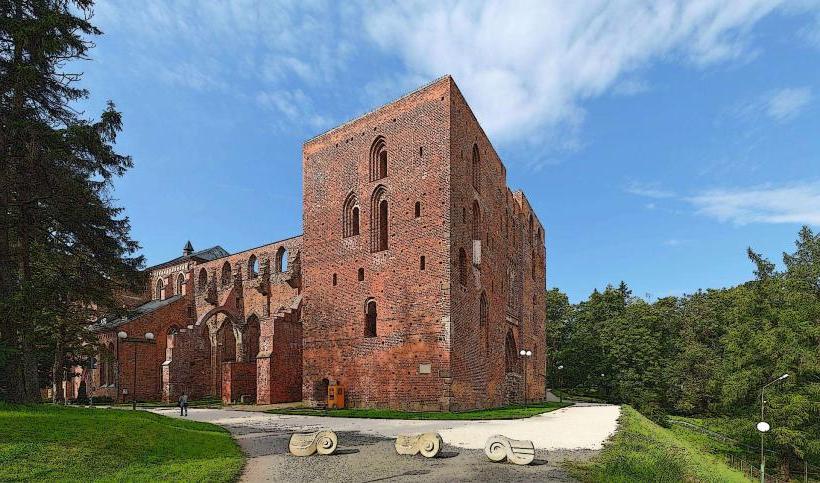
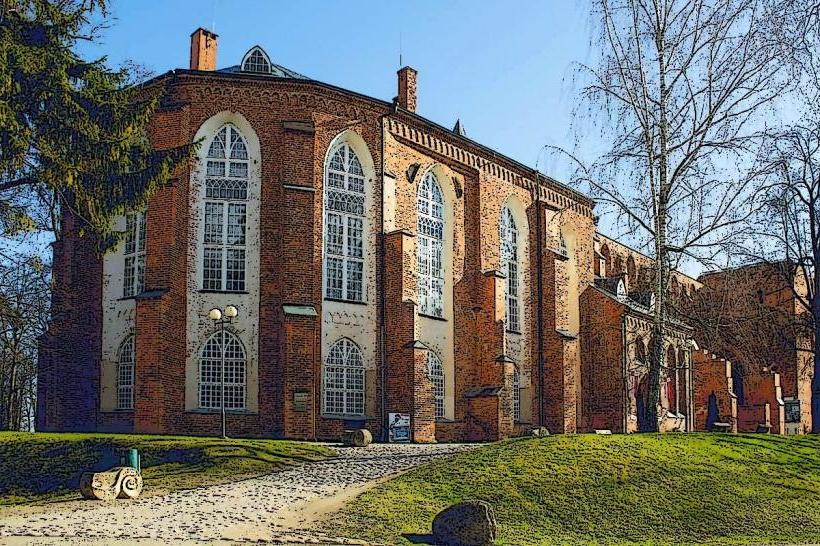
- Tartu Cathedral Ruins: 0.8km West