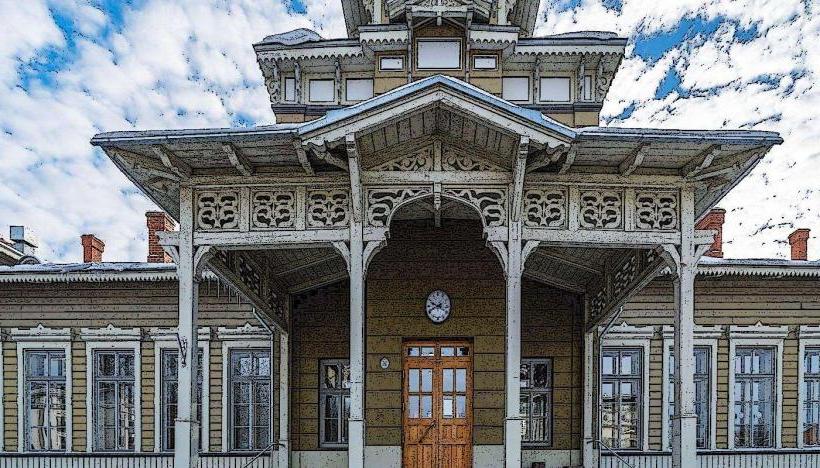
Landmark: Tartu Railway Station
City: Tartu
Country: Estonia
Continent: Europe
Tartu Railway Station, Tartu, Estonia, Europe
The Tartu Railway Station is a functional transportation hub located at Vaksali 6 in Tartu, Estonia. It facilitates passenger rail services connecting Tartu with other cities across Estonia.
Visual Characteristics
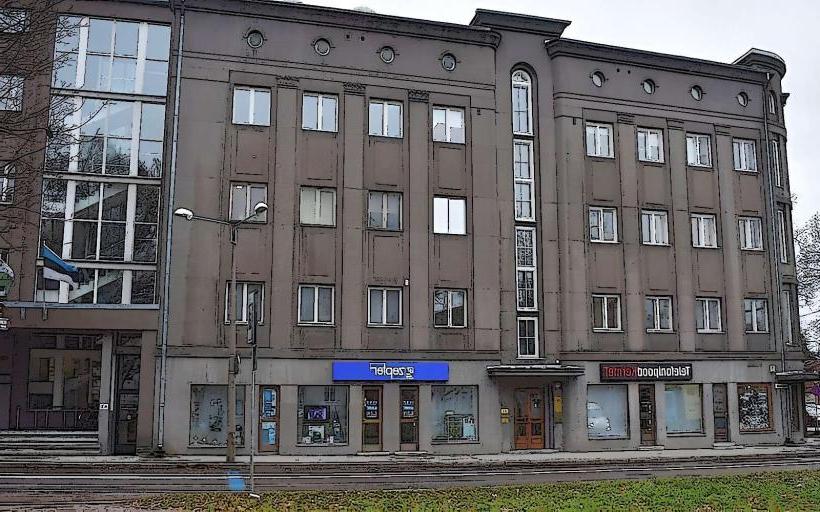
The station building is a two-story structure constructed primarily from stone and plaster, featuring a light yellow or cream facade. Its architectural style is historicist, characterized by symmetrical design and decorative elements typical of late 19th-century railway architecture. The building has a pitched roof and multiple arched windows on both levels.
Location & Access Logistics
The Tartu Railway Station is situated approximately 1.5 kilometers west of Tartu's city center, specifically Raekoja plats. Access by car is via Vaksali Street. A dedicated parking area is available directly in front of the station building. Public transportation includes city bus lines 3, 6, and 18, which have stops within 100 meters of the station entrance.
Historical & Ecological Origin
The Tartu Railway Station was constructed in 1876 as an integral part of the Tapa-Tartu railway line. Its original purpose was to serve as a primary terminal for both passenger and freight rail transport, connecting Tartu to the broader Estonian railway network. The architect is not widely documented, but the design reflects common railway station architecture of the period.
Key Highlights & Activities
The primary activity at the station is the purchase of train tickets and boarding trains. Passengers can access services for routes connecting Tartu to destinations such as Tallinn, Valga, and other intermediate stops. Waiting areas are provided for passenger comfort prior to departure.
Infrastructure & Amenities
Restroom facilities are available within the station building. Limited outdoor shade is present from the building's overhangs. Reliable 4G and 5G cellular network coverage is consistent throughout the station premises. A small kiosk offering snacks and beverages is located inside, with additional food vendors and cafes accessible within a 500-meter radius.
Best Time to Visit
The Tartu Railway Station operates year-round, with no specific seasonal or tidal requirements. For photography, daylight hours generally provide optimal lighting conditions for capturing the building's exterior. Peak operational times for passenger traffic typically occur during morning and late afternoon commutes.
Facts & Legends
The station building itself is recognized as a protected architectural monument, preserving its 19th-century design. During the Estonian War of Independence, the station served as a critical logistical point for troop and supply movements, underscoring its strategic importance beyond daily passenger service.
Nearby Landmarks
- Tartu University Botanical Garden: 1.0km East
- Toome Hill: 1.2km East
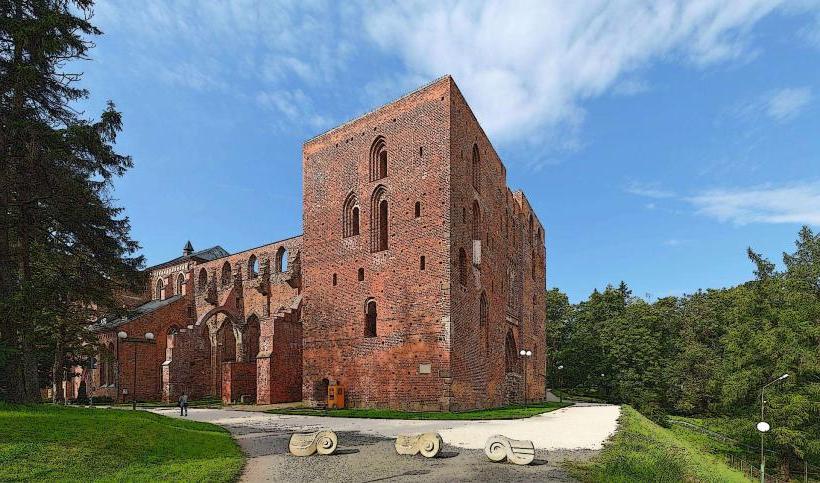
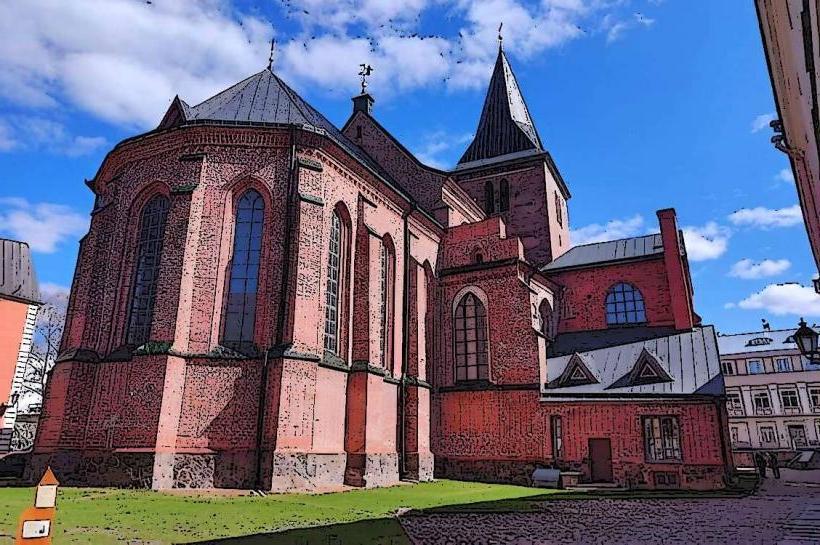
- Tartu Cathedral Ruins: 1.3km East
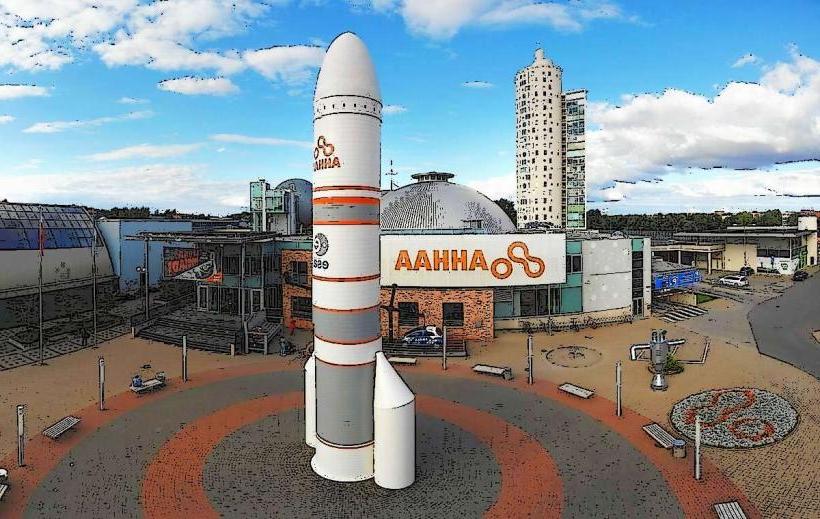
- AHHAA Science Centre: 2.0km Southeast
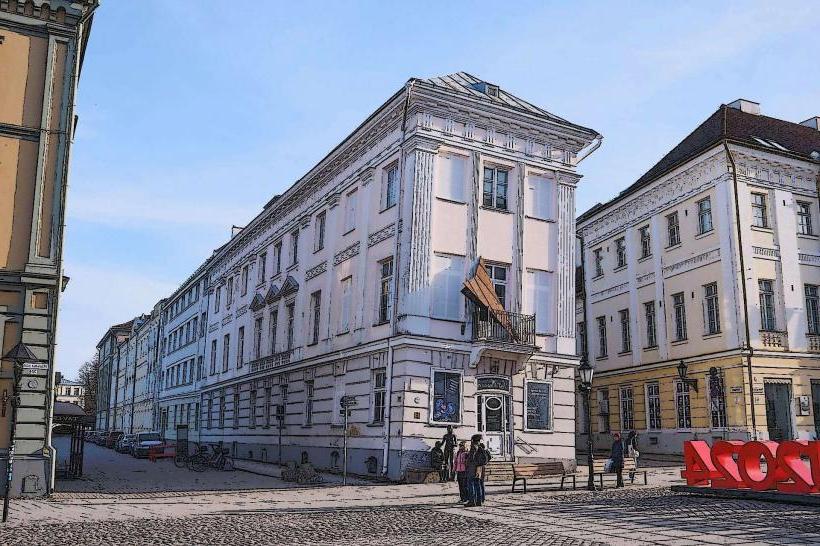
- Tartu Art Museum: 1.8km East