Information
Landmark: Tennessee RiverparkCity: Chattanooga
Country: USA Tennessee
Continent: North America
Tennessee Riverpark, Chattanooga, USA Tennessee, North America
The Tennessee Riverpark is a linear park system situated along the Tennessee River in Chattanooga, Tennessee. It comprises multiple sections extending for approximately 10 miles.
Visual Characteristics
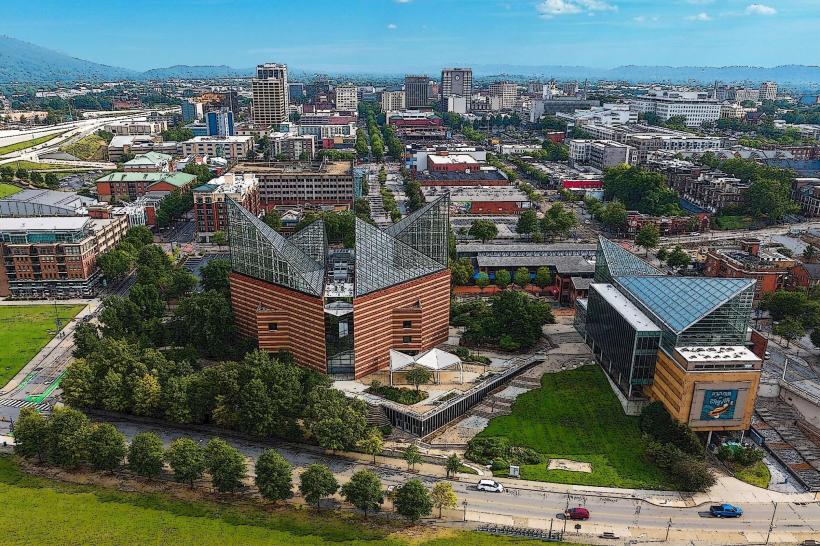
The park features paved multi-use trails constructed from asphalt. The riverfront offers views of the Tennessee River, with varying widths and water clarity depending on recent rainfall. Vegetation consists of mature deciduous trees, manicured grass areas, and native riparian plants. Several bridges cross the river, including the Walnut Street Bridge, a pedestrian-only structure.
Location & Access Logistics
Access points are distributed along the river. The main entrance is located at 4001 Amnicola Highway, approximately 5km East of downtown Chattanooga. Ample paved parking is available at designated lots throughout the park. Public transport options include the Chattanooga Area Regional Transportation Authority (CARTA) bus lines, with several routes serving stops near park entrances, such as Route 17.
Historical & Ecological Origin
The Tennessee Riverpark was developed as part of urban revitalization efforts, with initial construction beginning in the late 20th century. The river itself is a major tributary of the Ohio River, formed by the confluence of the Holston and French Broad rivers. The surrounding land is part of the Ridge-and-Valley Appalachians physiographic province.
Key Highlights & Activities
Activities include walking, jogging, and cycling on the paved trails. Kayaking and paddleboarding are possible on the river. Fishing is permitted in designated areas. The park contains multiple playgrounds, picnic shelters, and open green spaces for recreation. The Walnut Street Bridge offers panoramic views of the city skyline and river.
Infrastructure & Amenities
Restrooms are available at multiple locations along the park. Shaded areas are provided by mature trees and numerous picnic shelters. Cell phone signal (4G/5G) is generally consistent throughout the park. Food vendors are not permanently stationed within the park, but are often present during special events. Restaurants and cafes are located in nearby downtown districts.
Best Time to Visit
For photography, early morning and late afternoon provide optimal lighting conditions. The months of April through October offer the most favorable weather for outdoor activities. River conditions can vary; check local advisories for water safety.
Facts & Legends
The Walnut Street Bridge, a central feature of the park, was originally a railway bridge constructed in 1890. It was later converted to a pedestrian bridge in 1993, becoming one of the world's longest pedestrian bridges. A local anecdote suggests that during periods of low water, remnants of older river structures can be observed near the banks.
Nearby Landmarks
- Creative Discovery Museum (2.5km West)
- Tennessee Aquarium (3km West)
- Lookout Mountain (10km Southwest)
- Ruby Falls (12km Southwest)
- Rock City Gardens (13km Southwest)