Landmark: Traditional Craft Villages
City: Lib Island
Country: Marshall Islands
Continent: Australia
Traditional Craft Villages, Lib Island, Marshall Islands, Australia
Traditional Craft Villages are a collection of artisan workshops located on Lib Island in the Marshall Islands.
These villages serve as centers for the preservation and continuation of indigenous Marshallese craft traditions.
Visual Characteristics
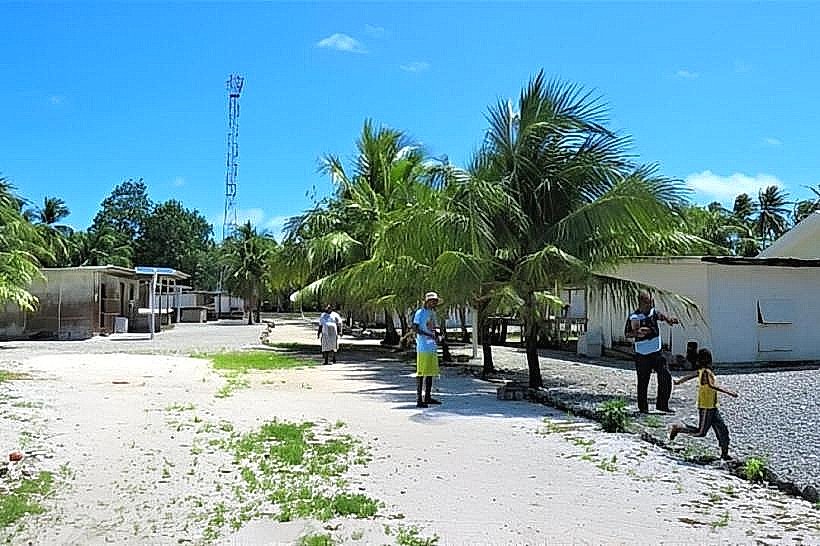
Structures are primarily constructed from local materials including pandanus leaves, coconut husks, and coral stone. Buildings are typically single-story, with thatched roofs and open-air designs to facilitate airflow. Colors are natural, reflecting the materials used, with earthy tones and woven patterns dominating the visual landscape. The villages are situated along the coastline, with sandy paths connecting individual workshops.
Location & Access Logistics
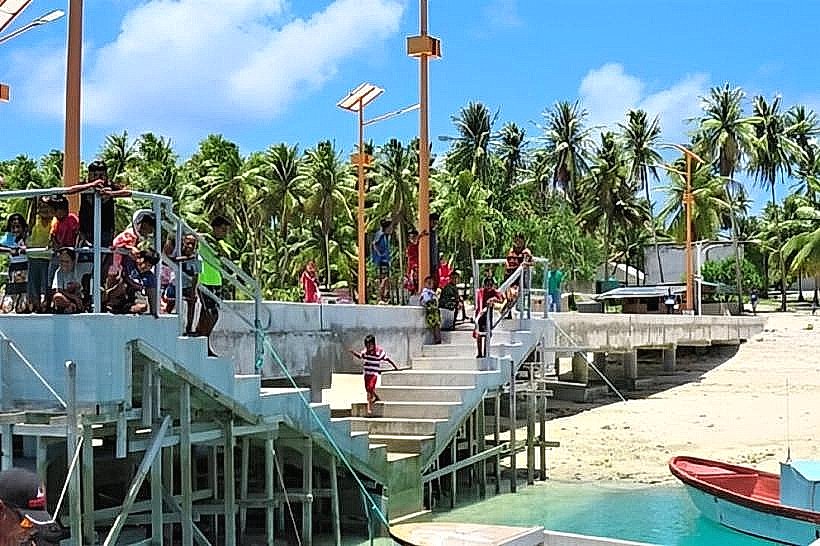
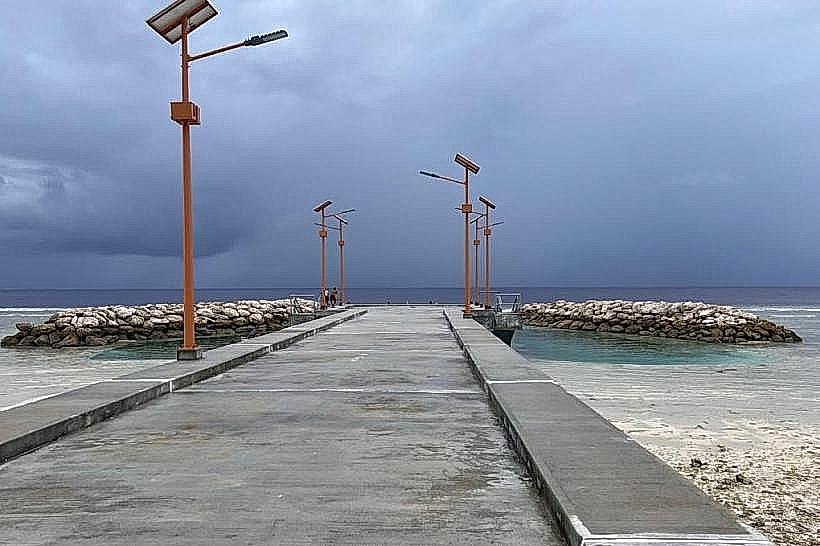
Lib Island is located in the Ralik Chain of the Marshall Islands. Access is primarily via inter-island boat services from Majuro Atoll, which operate on a variable schedule. There are no direct road connections from major population centers. Upon arrival at Lib Island's small dock, the craft villages are within walking distance, generally less than 1km from the landing point. Parking is not a designated facility; boats are the primary mode of transport.
Historical & Ecological Origin
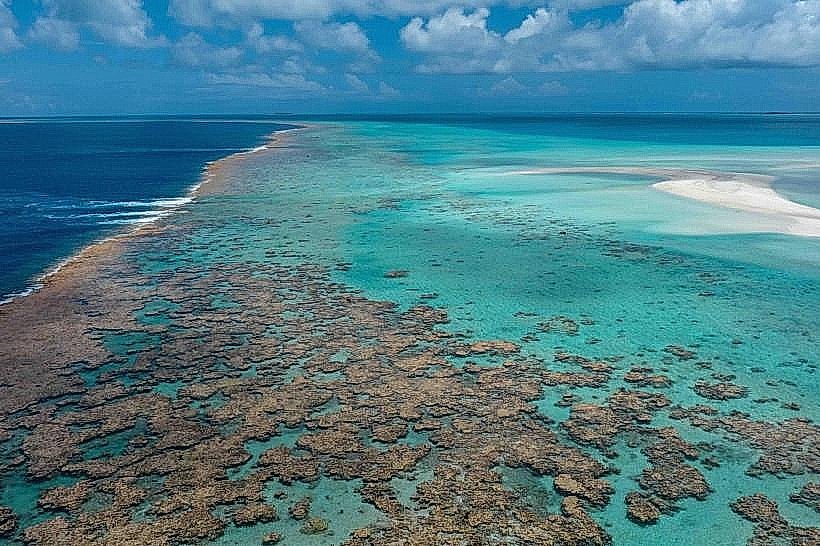
The origins of these craft villages are rooted in the long-standing Marshallese tradition of skilled handicraft production, passed down through generations. Historically, these crafts were essential for daily life, including the creation of canoes, housing materials, and ceremonial items. The ecological context is a low-lying coral atoll environment, dictating the available natural resources for crafting.
Key Highlights & Activities
Observation of weaving techniques for pandanus mats and baskets. Demonstration of shell jewelry creation. Viewing of traditional canoe construction methods. Purchase of handcrafted items directly from artisans. Participation in informal demonstrations of weaving or carving.
Infrastructure & Amenities
Restrooms are generally basic and may not be consistently available or maintained to international standards. Shade is provided by the natural canopy of trees and the construction of the workshops themselves. Cell phone signal is intermittent and unreliable. Food vendors are not a permanent fixture; visitors should plan to bring their own provisions or inquire about local arrangements.
Best Time to Visit
The best time of day for observing craft activities is during daylight hours, typically between 9:00 AM and 4:00 PM, when artisans are most active. The dry season, from December to April, offers more predictable weather patterns with less rainfall. There are no tidal considerations for visiting the craft villages themselves, as they are located above the high-tide line.
Facts & Legends
A specific local practice involves the use of specific pandanus varieties, identified by subtle differences in leaf shape and texture, for different types of weaving. The quality of a woven mat is often judged by the tightness and uniformity of the weave, a skill honed over years of practice. It is said that the patterns woven into mats can tell stories of family lineage and significant island events.
Nearby Landmarks
- Lib Island Airport (0.8km Northwest)
- Lib Island Elementary School (0.6km North)
- Local Church (0.4km Northeast)
- Island Council Office (0.3km North)