Landmark: Tsavo West National Park
City: Voi
Country: Kenya
Continent: Africa
Tsavo West National Park, Voi, Kenya, Africa
Tsavo West National Park is a protected area located in southeastern Kenya, west of the town of Voi.
This park encompasses a diverse range of geological features and wildlife habitats.
Visual Characteristics
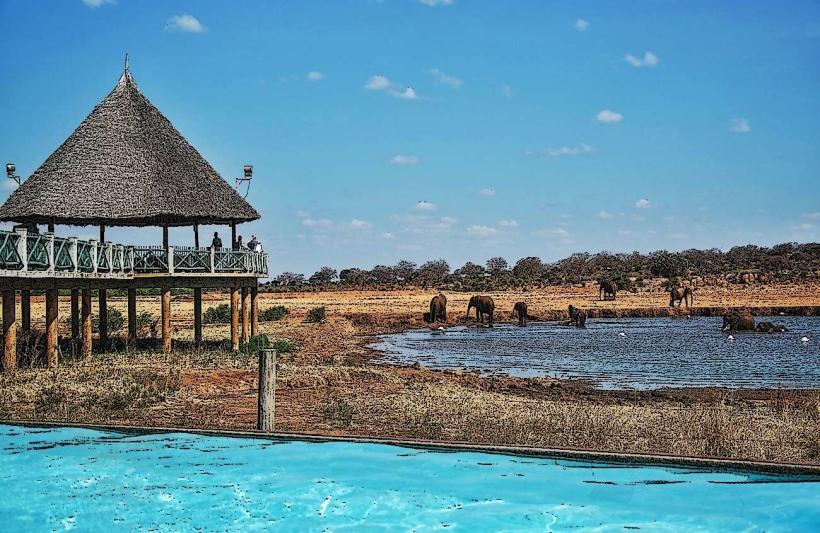
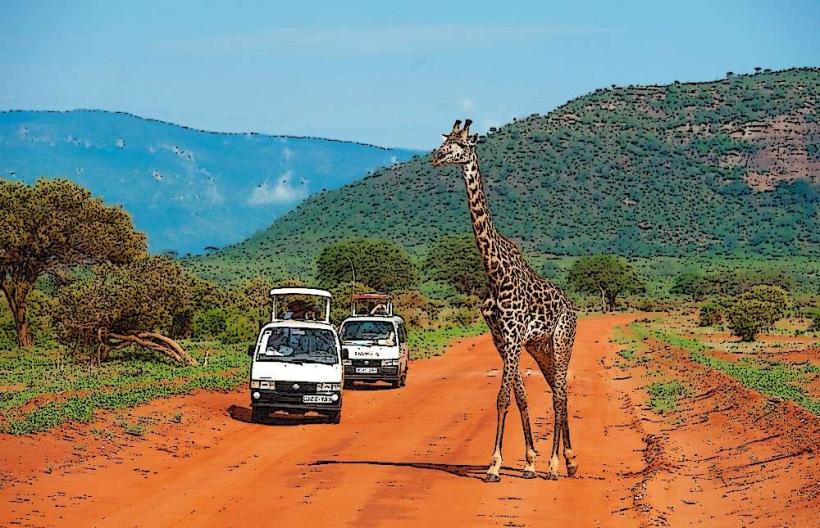
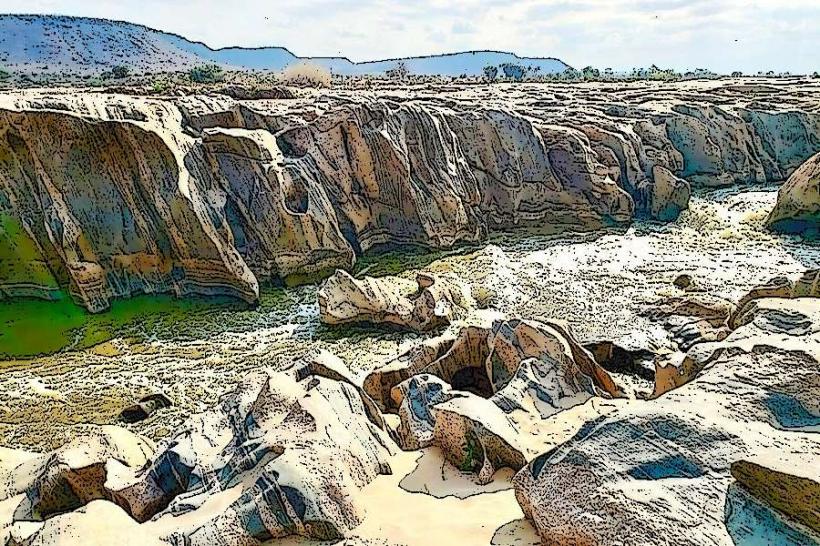
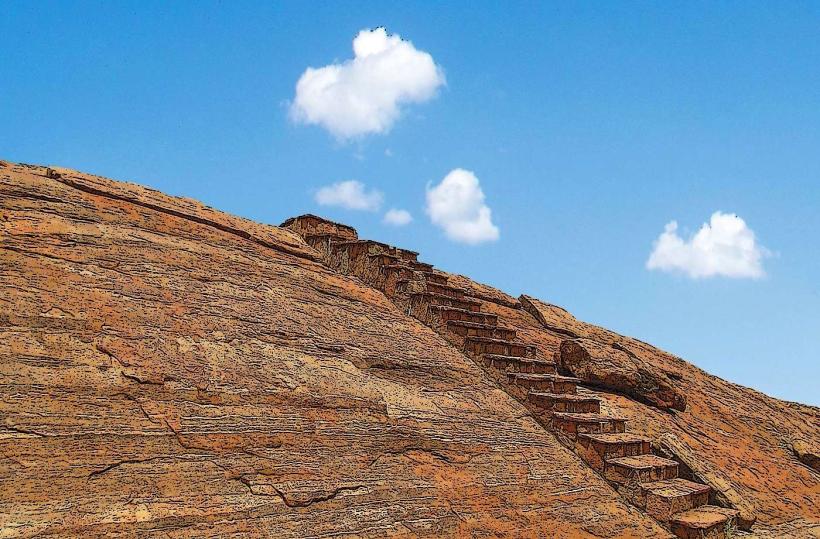
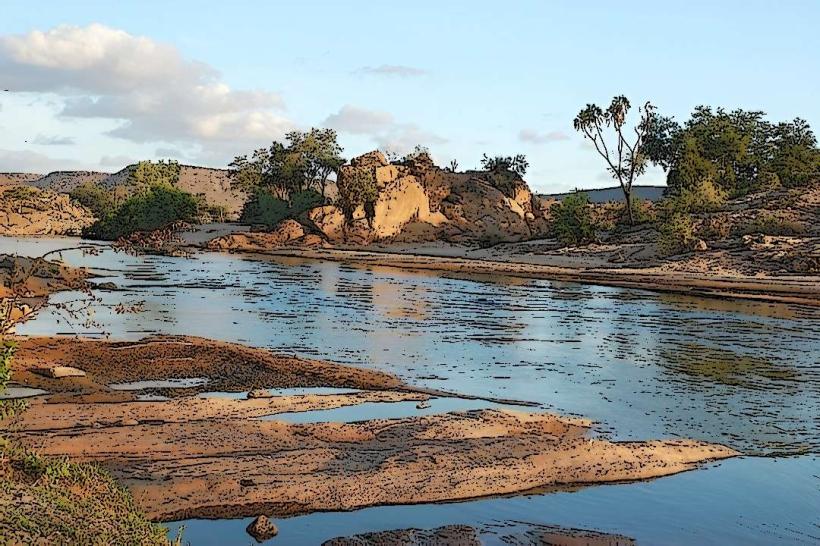
The landscape is characterized by volcanic cones, lava flows ( Shetani Lava Flow), and rocky hills. The vegetation varies from open grasslands and acacia woodlands to dense bushland. Rivers and seasonal streams, such as the Tsavo River, traverse the park, supporting riparian zones. The soil is predominantly red earth.
Location & Access Logistics
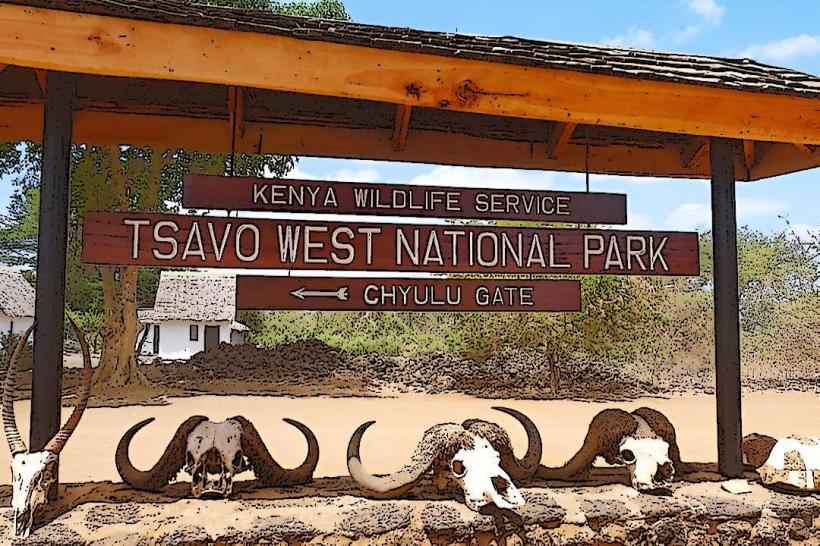
Tsavo West National Park is situated approximately 240 kilometers (150 miles) southwest of Nairobi and 150 kilometers (93 miles) west of Mombasa. The main access point is via the Mtito Andei Gate, located off the A109 Nairobi-Mombasa Highway. Other gates include Tsavo Gate and Chyulu Gate. Driving from Voi town to the park entrance takes approximately 30 minutes via the B111 road. There are airstrips within the park for light aircraft. Parking is available at park lodges and designated visitor areas.
Historical & Ecological Origin
The park was established in 1948 as part of the larger Tsavo National Park, which was later divided into Tsavo East and Tsavo West. The area is geologically significant, featuring the Chyulu Hills, a volcanic mountain range formed by a series of fissures. The Shetani Lava Flow is a recent volcanic feature, estimated to be around 200 years old. Ecologically, it is a savanna ecosystem supporting a wide array of flora and fauna.
Key Highlights & Activities
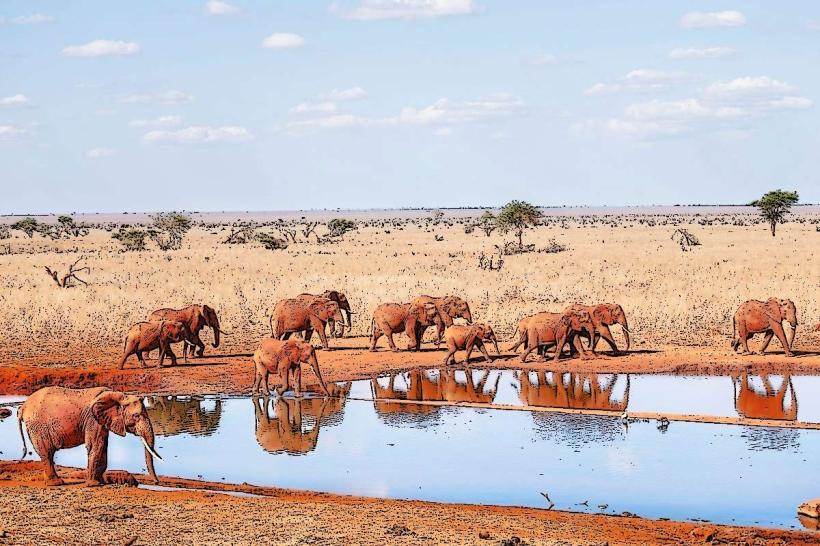
Activities include game drives to observe wildlife such as elephants, lions, leopards, cheetahs, rhinos, hippos, and diverse bird species. Mzima Springs offers a unique opportunity to view underwater life through glass-walled observation tanks. Hiking is possible in designated areas, including the trails around the Chyulu Hills. Birdwatching is a significant activity, especially near water sources.
Infrastructure & Amenities
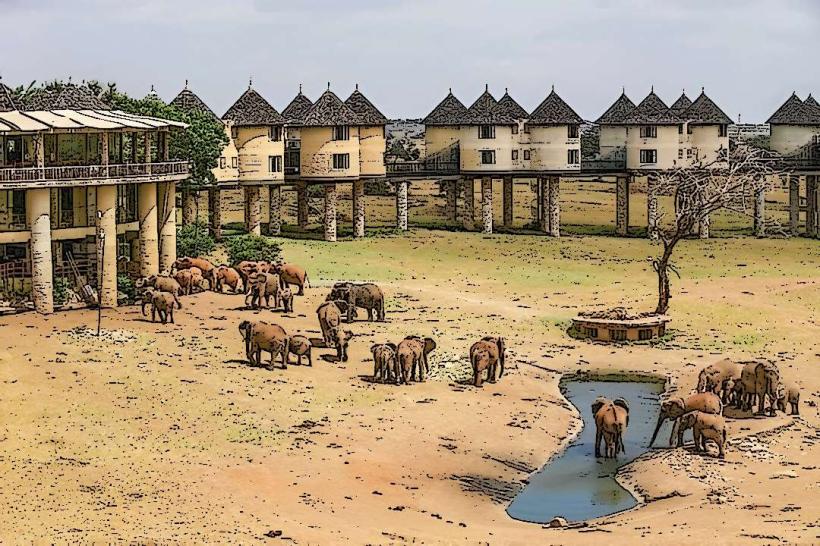
Lodges and tented camps within the park provide accommodation and dining facilities. Restrooms are available at park gates, lodges, and designated picnic sites. Shade is provided by acacia trees and lodge structures. Cell phone signal (4G) is generally available in and around lodges and main roads, but can be intermittent in remote areas. Food vendors are typically found at lodges and camps.
Best Time to Visit
The best time for wildlife viewing is during the dry seasons, from January to March and from June to October, when animals congregate around water sources. The best time of day for photography is early morning and late afternoon, due to favorable lighting conditions and increased animal activity. High tide is not a relevant factor for this inland park.
Facts & Legends
The park is known for the "Man-Eaters of Tsavo," a historical account of lions that preyed on railway construction workers in 1898. The Shetani Lava Flow is named after the Swahili word for "devil," reflecting local folklore about the origin of the lava.
Nearby Landmarks
- Voi Wildlife Lodge (10km Northeast)
- Chyulu Hills National Park (15km West)
- Taita Hills Wildlife Sanctuary (30km Southeast)
- Sagalla Hills (25km East)