Information
Landmark: Tyrol's Wildspitze PeakCity: Innsbruck
Country: Austria
Continent: Europe
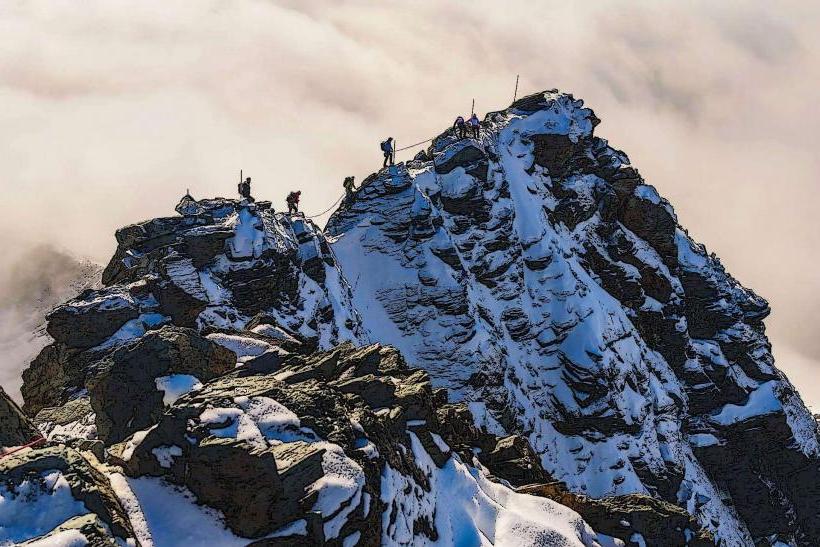
Tyrol's Wildspitze Peak, Innsbruck, Austria, Europe
The Wildspitze is the highest mountain in North Tyrol and the second-highest peak in Austria (after the Großglockner). It is located in the Ötztal Alps, approximately 85 km (53 miles) southwest of Innsbruck.
Visual Characteristics
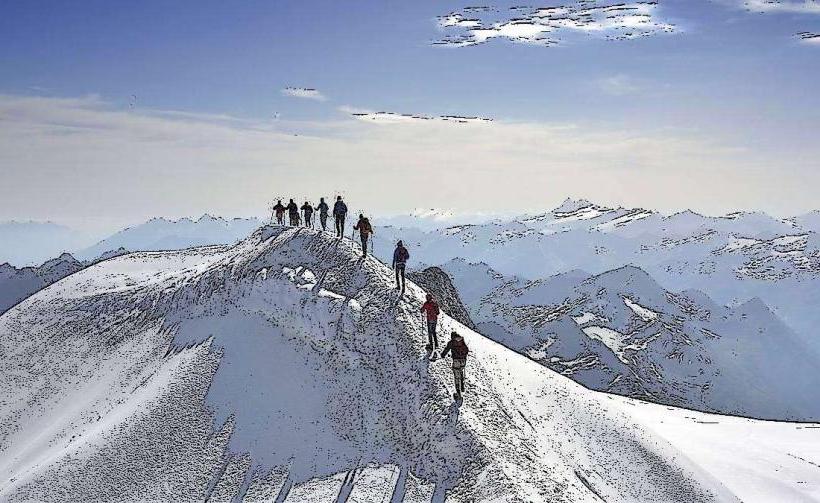
The peak reaches an elevation of 3,768 meters (12,362 feet). It is a double-peaked mountain (South and North peaks) heavily covered by glaciers, most notably the Taschachferner and the Mittelbergferner. From the summit, the panorama includes the Dolomites to the south and the Swiss Alps to the west.
Location & Access Logistics
Base Points: The primary access points are Vent (in the Venter Valley) and Pitztal (via the Pitztal Glacier).
From Innsbruck:
Vehicle: Approximately a 1.5-hour drive via the A12 (Inntal Autobahn) to the Pitztal or Ötztal exits.
Transit: Rail from Innsbruck Hbf to Ötztal-Bahnhof or Imst-Pitztal, followed by regional bus lines to Vent or Mittelberg.
The Ascent: Reaching the summit is a high-alpine undertaking. The "easiest" route via the Pitztal Glacier uses the Pitz Panoramabahn (Austria’s highest cable car) to 3,440 meters, followed by a glacial trek.
Historical & Geological Origin
The Wildspitze is composed of Central Alpine Gneiss. It was first summitted in 1848 by Leander Klotz. Due to climate change, the peak’s appearance has altered significantly; the North Peak, once higher and covered in a thick ice cap, has melted down, leaving the rocky South Peak as the undisputed highest point.
Key Highlights & Activities
Ski Touring: One of the most famous high-alpine ski tours in the Eastern Alps.
Café 3.440: Austria's highest coffee house, located at the Pitztal Glacier mountain station, offering direct views of the peak for non-climbers.
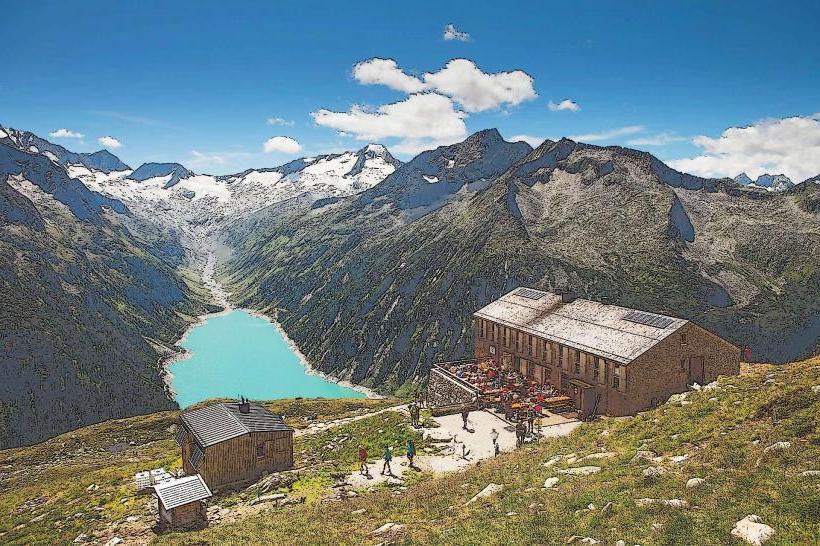
Breslauer Hütte: A key alpine refuge ($2,844$ m) used as a base for those ascending from the Vent side.
Infrastructure & Amenities
Climbing Requirements: This is a high-alpine glacier tour. It requires crampons, ice axes, ropes, and experience in crevasse rescue. Hiring a mountain guide (Bergführer) from Vent or Pitztal is standard for non-experts.
Connectivity: Signal is intermittent on the ascent but generally available at the summit and cable car stations.
Rescue: The area is strictly monitored by the Tyrolean Mountain Rescue (Bergrettung Tirol).
Best Time to Visit
Mountaineering: July to September for classic rock and ice climbing.
Ski Touring: March to May for optimal snow conditions on the glaciers.
Sightseeing: Year-round via the Pitztal Glacier cable car (weather permitting).
Facts & Legends
The Wildspitze acts as a massive "water tower" for the region; its glacial meltwater feeds the Inn River and eventually the Danube. A technical fact: the mountain is the highest point of the Ötztal Alps and marks a critical point in the drainage divide between the Black Sea and the Mediterranean (via the nearby main ridge).
Nearby Landmarks
Ötzi Village (Umhausen) – 40 km North
Sölden (Big 3 Platforms) – 20 km East
Timmelsjoch High Alpine Road – 35 km Southeast
Innsbruck – 85 km Northeast