Landmark: Vieux Lille
City: Lille
Country: France
Continent: Europe
Vieux Lille, Lille, France, Europe
Vieux-Lille is the historic district of Lille, France, situated in the northern part of the city. It is characterized by restored 17th-century Flemish architecture, narrow cobblestone streets, and a high density of luxury boutiques and traditional eateries.
Visual Characteristics
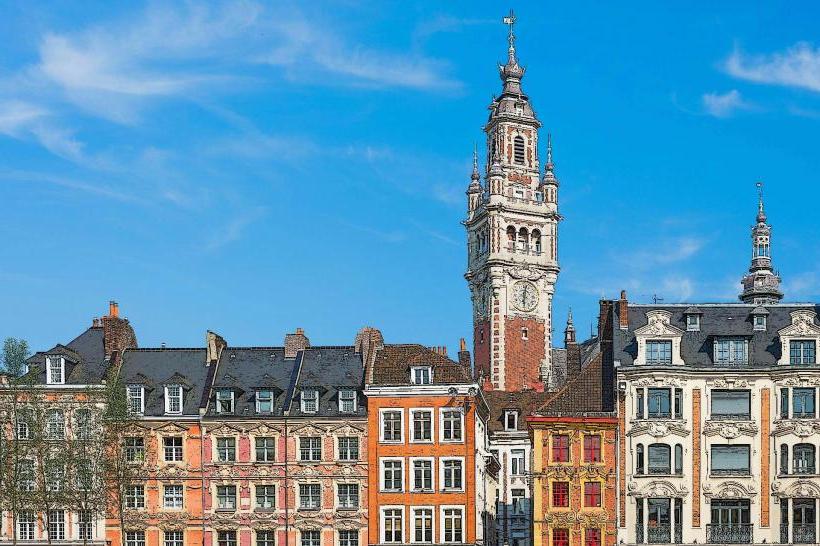
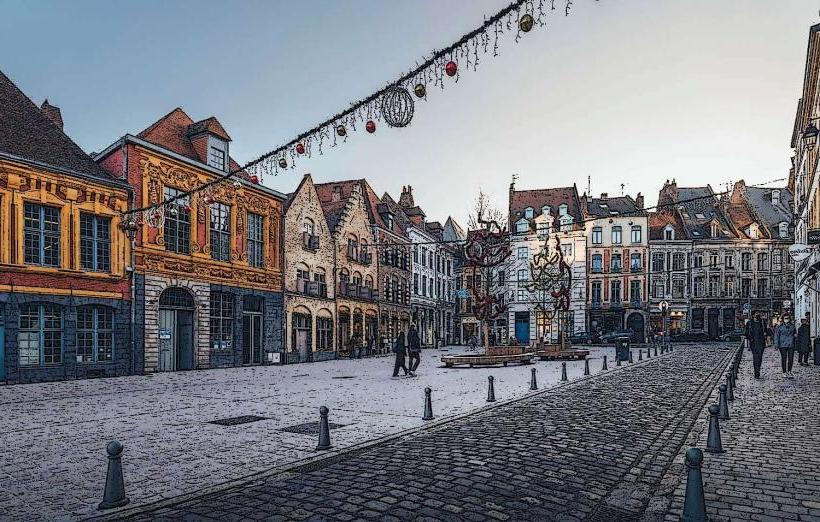
The district is defined by its "Lille Baroque" style, featuring facades of red and yellow brick, ornate stone carvings, and stepped gables. The color palette is distinct from other French cities, reflecting the historical Flemish influence. Key visual elements include wrought-iron balconies, decorative "cartouches" (stone tablets), and interior courtyards visible through heavy wooden doors.
Location & Access Logistics
Boundaries: Roughly bounded by the Grand Place to the south and the Citadelle to the west.
Public Transit: Accessed via Metro Line 1 (Rihour station) or Line 2 (Gare Lille Flandres). It is a 10-minute walk from the main train stations.
Navigation: The area is mostly pedestrian-friendly, though some streets allow limited vehicular traffic. Parking is extremely difficult within the district; use the Parking du Peuple Belge or Parking Vieux-Lille.
Historical & Ecological Origin
Historically the heart of the County of Flanders, the district was once crisscrossed by canals used for the textile trade. Most of these were filled in during the 19th century for hygiene reasons. The area underwent significant decay in the mid-20th century but was saved from demolition and extensively restored starting in the 1970s. Geologically, it sits on the damp, low-lying lands of the Deûle river valley.
Key Highlights & Districts
Place de l'Oignon: A small, picturesque square known for its terrace cafes and medieval feel.
Cathédrale Notre-Dame-de-la-Treille: A unique cathedral featuring a 19th-century Neo-Gothic structure with a modern, translucent marble facade added in 1999.
Hospice Comtesse: A former hospital founded in 1237, now a museum showcasing Flemish art, furniture, and history.
Rue de la Monnaie: The main commercial artery of the district, housing high-end fashion brands and historic pastry shops like Méert.
Infrastructure & Amenities
The district is Lille's premier destination for gastronomy and retail.
Dining: Home to many Estaminets (traditional Flemish taverns) serving regional specialties like Carbonnade Flamande and Welsh.
Connectivity: Consistent 5G coverage throughout.
Accessibility: While the main streets are paved, many side alleys feature original, uneven cobblestones that may be challenging for those with limited mobility.
Best Time to Visit
Daily: Late afternoon/early evening for the best lighting on the brick facades and a vibrant social atmosphere.
September: During the Braderie de Lille, Vieux-Lille is the center for antique dealers and the traditional consumption of mussels and fries (moules-frites).
Facts & Legends
The name "Lille" comes from "L'Isle" (The Island), as the Vieux-Lille district was originally a dry point surrounded by marshes and river branches. A local fact: the Maison Gilles de la Boë (Place de l'Oignon) is one of the best-preserved examples of 17th-century merchant architecture in the city, surviving numerous sieges and urban renovations.
Nearby Landmarks
Grand Place – 0.3km South
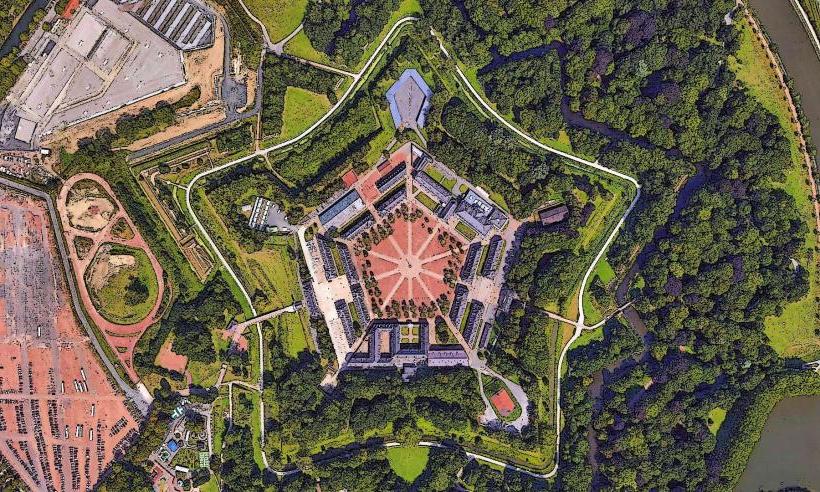
Citadelle de Lille – 0.6km West
Gare Lille Flandres – 0.8km Southeast
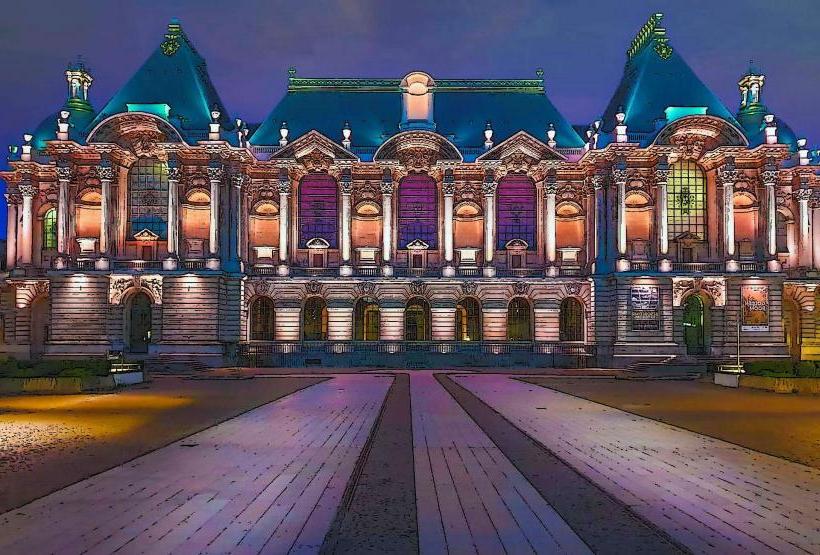
Palais des Beaux-Arts – 1.2km South