City: Lafayette LA
Country: USA Louisiana
Continent: North America
Lafayette LA, USA Louisiana, North America
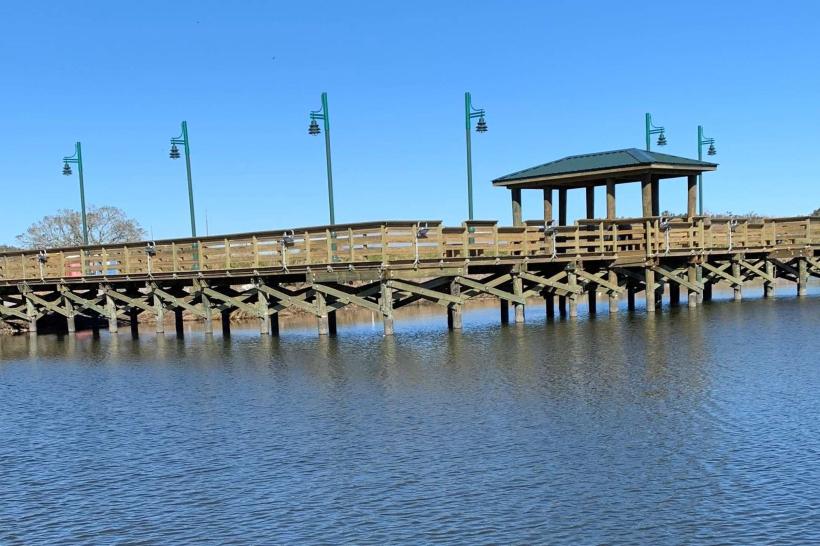
Lafayette is an independent city and the seat of Lafayette Parish, situated in the heart of the Atchafalaya Basin. Known as the "Hub City," it is defined by its status as the unofficial capital of Acadiana, its preservation of Cajun and Creole French culture, and its role as a major operations base for the Gulf of Mexico oil and gas industry.
Historical Timeline
Inhabited by the Attakapas people. Founded in 1821 as Vermilionville by Jean Mouton, a French-speaking Acadian. It was renamed in 1884 to honor the Marquis de Lafayette. A critical historical event was the arrival of the railroad in 1880, which transformed the isolated agrarian settlement into a regional trade center. In the 20th century, the city became the logistical "backbone" of the offshore drilling industry following the 1947 discovery of oil in the Gulf. In the 21st century, Lafayette has pivoted toward technology and medical services while leading a global resurgence in Cajun music and culinary tourism.
Demographics & Population
The population is approximately 122,000 (Metro area ~490,000). The demographics are White (59%), Black or African American (29%), and Hispanic or Latino (5%). Approximately 10% of the population speaks a form of French at home. The economy is driven by energy, healthcare, and the University of Louisiana at Lafayette (UL Lafayette).
Urban Layout & Key Districts
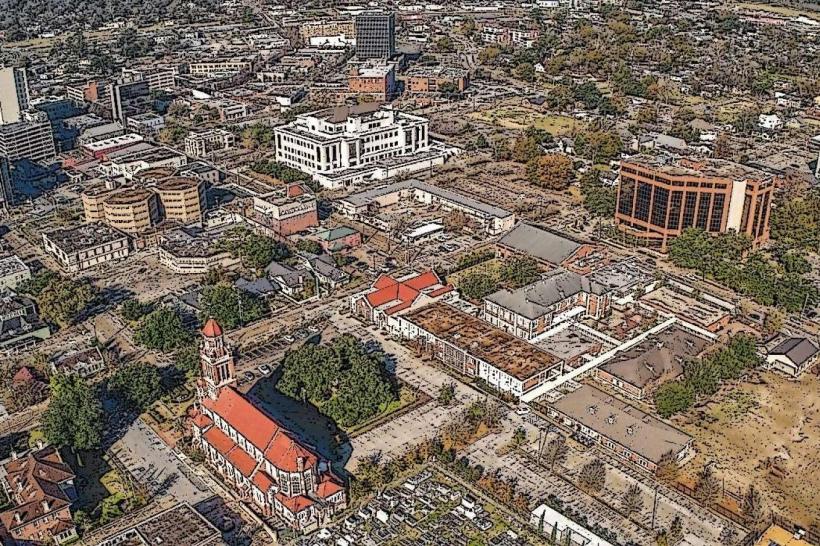
Lafayette is organized around a core historic grid with radial expansion toward the south and west.
Downtown: The cultural and nightlife center, featuring Jefferson Street, the Acadiana Center for the Arts, and Parc International.
Oil Center: A historic mid-century office and retail district built to house the petroleum industry; it now serves as a major medical and boutique hub.
Saint Streets: A traditional residential district near the university characterized by oak-lined streets named after saints.
River Ranch: A massive "New Urbanist" development in the south featuring high-end retail, walkable squares, and Caribbean-style architecture.
Freetown-Port Rico: A historic and diverse district adjacent to downtown, known for its creative community and original folk-Victorian cottages.
Top City Landmarks
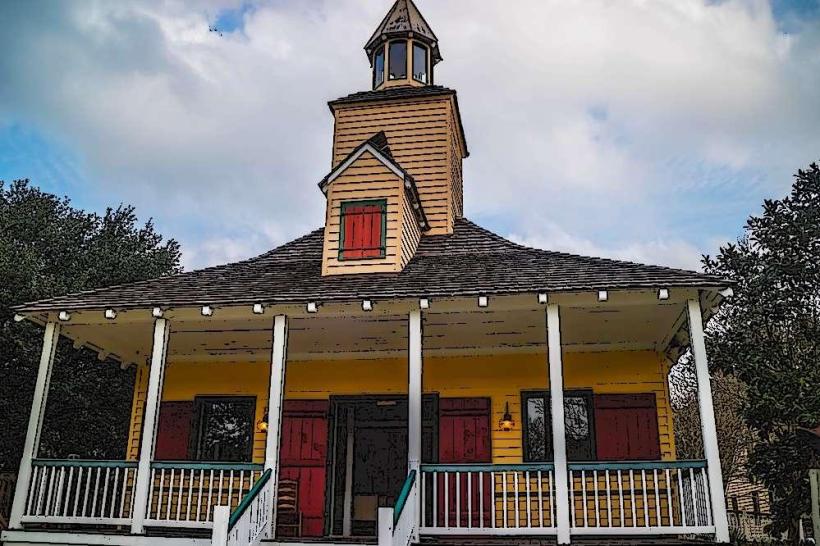
Vermilionville Living History Museum: A 23-acre folklife park and historic village depicting Acadian, Creole, and Native American life from 1765–1890.
Cathedral of St. John the Evangelist: A 1916 Dutch Romanesque landmark featuring a massive 500-year-old live oak tree.
Acadian Village: A private cultural park featuring authentic 19th-century homes moved from across the region to preserve Cajun architecture.
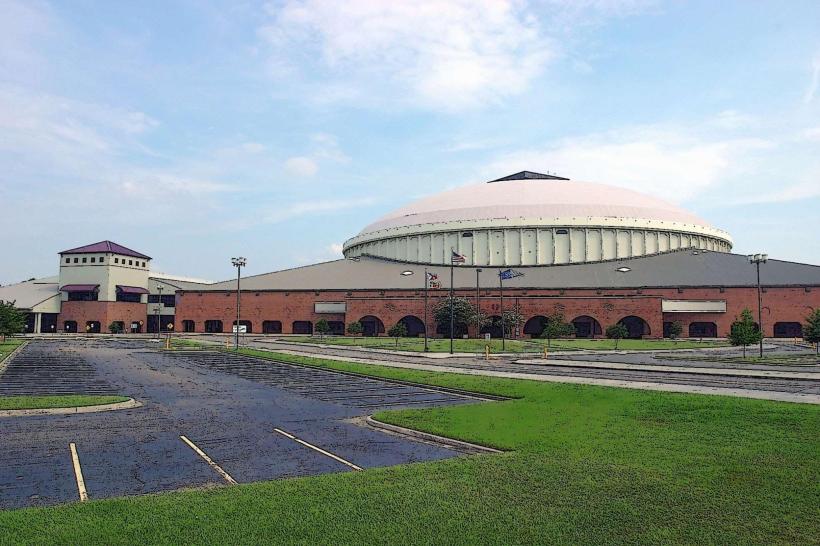
Cajundome & Convention Center: A 13,500-seat arena that serves as the primary venue for UL Lafayette athletics and major festivals.
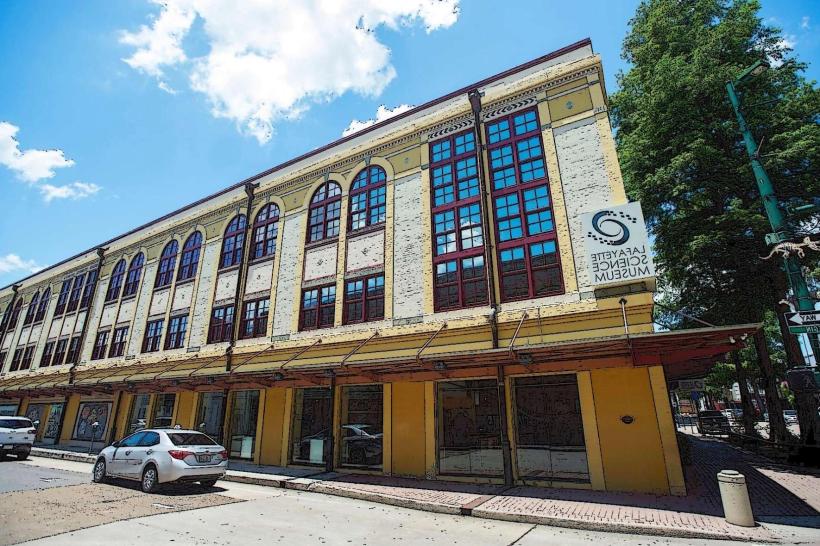
Lafayette Science Museum: Located downtown, featuring an all-digital planetarium and regional paleontology exhibits.
Transportation Network
Movement is automotive-centric. The city is a major junction for I-10 and I-49 (the "Evangeline Thruway"). Public transit is provided by LTS (Lafayette Transit System). Commercial air service is via Lafayette Regional (LFT). The city is a stop on Amtrak’s Sunset Limited line.
Safety & "Red Zones"
The general safety level is moderate. Property crime is higher than the national average. Caution is advised at night in parts of North Lafayette (neighborhoods north of Simcoe Street) and areas bordering the Evangeline Thruway. The downtown and university districts are generally safe but require standard urban awareness. Environmental hazards include significant flood risk and hurricane impacts.
Digital & Financial Infrastructure
Lafayette is a national leader in digital infrastructure, featuring LUS Fiber, one of the first and fastest municipal fiber-to-the-home networks in the U.S. (speeds up to 10 Gbps). Main mobile carriers are Verizon and AT&T. Card acceptance is universal. ATMs are concentrated in the Downtown and Oil Center districts.
Climate & Air Quality
Temperatures range from 6°C to 18°C in winter and 23°C to 33°C in summer. The climate is humid subtropical with high year-round rainfall. Air quality is high.
Culture & Social Norms
The standard tipping percentage is 20%. A "Warm-Acadiana" greeting is standard ("Laissez les bons temps rouler"). Dress codes are "Casual-Professional." The city is culturally defined by Boudin, Zydeco, and its world-famous Festival International de Louisiane.
Local Cost Index
1 Espresso: $4.25 (USD)
1 Standard Lunch (Gumbo/Plate Lunch): $15.00 (USD)
1 Vermilionville Admission: $10.00.
Nearby Day Trips
Tabasco Factory (Avery Island): (45 km south; the birthplace of the world-famous pepper sauce).
Atchafalaya Basin: (20 km east; the largest wetland and swamp in the U.S.).
Breaux Bridge, LA: (15 km northeast; the "Crawfish Capital of the World").
Facts & Legends
Lafayette has more restaurants per capita than almost any other city in the U.S. Historically, it was the first city in Louisiana to offer municipal fiber-optic internet. A local legend involves the "Loup-Garou," a Cajun werewolf said to haunt the cypress swamps. Another legend concerns the "Secret Treasure of Jean Mouton," rumored to be buried somewhere along the banks of the Bayou Vermilion.