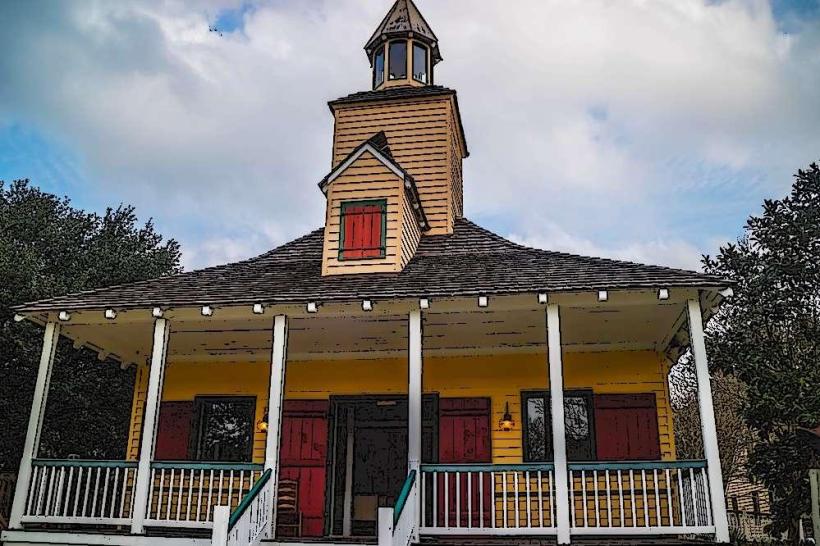
Landmark: Vermilionville Historic Village
City: Lafayette LA
Country: USA Louisiana
Continent: North America
Vermilionville Historic Village, Lafayette LA, USA Louisiana, North America
Vermilionville Historic Village is a living history museum located in Lafayette, Louisiana, USA.
It reconstructs the lives of Acadian, Creole, and Native American people from the period of 1765 to 1890.
Visual Characteristics
The village comprises approximately 10 acres featuring 19 restored historic structures. Buildings are constructed primarily from cypress wood and feature steeply pitched roofs, often covered with cypress shingles or tin. Exterior colors range from natural wood tones to muted blues, greens, and whites. Structures include a church, schoolhouse, blacksmith shop, and various residential homes, all designed in regional vernacular architectural styles of the specified historical periods.
Location & Access Logistics
Vermilionville is situated at 300 Fisher Road, Lafayette, LA 70508. It is approximately 3.2 kilometers (2 miles) southwest of downtown Lafayette. Access is via Interstate 10, taking Exit 101 (Ambassador Caffery Parkway) and heading south. Turn right onto Fisher Road. Ample free parking is available on-site. Public transport options include Lafayette Transit System bus route 11, which stops within walking distance of the village entrance.
Historical & Ecological Origin
Vermilionville was established in 1991 as a non-profit organization dedicated to preserving and interpreting the cultural heritage of Southwest Louisiana. The site itself is located on land that was historically part of the prairie and bayou ecosystems of the region. The structures are authentic or meticulously recreated representations of dwellings and outbuildings used by the Acadian, Creole, and Native American populations who settled in this area.
Key Highlights & Activities
Visitors can observe costumed interpreters demonstrating traditional crafts such as blacksmithing, weaving, and cooking. Demonstrations of Acadian and Creole music are frequently held. Guided tours are available, focusing on daily life, cultural practices, and historical context. The village also hosts special events and festivals throughout the year.
Infrastructure & Amenities
Restrooms are available within the village. Shaded areas are provided by trees and the covered porches of historic buildings. Cell phone signal (4G/5G) is generally available. Food vendors and a restaurant, The Vermilionville Restaurant, are located on-site, offering regional cuisine.
Best Time to Visit
The best time of day for photography is generally mid-morning or late afternoon when the sun angle provides softer light on the structures. The most favorable months for visiting are March through May and September through November, offering mild temperatures. Specific events may have unique timing requirements.
Facts & Legends
A unique aspect of Vermilionville is its focus on the distinct cultural contributions of three primary groups: the Acadians (exiled French colonists), the Creoles (people of mixed European and African ancestry), and the local Native American tribes. The village aims to showcase the intermingling and distinct traditions of these communities in shaping the region's identity.
Nearby Landmarks
- Acadiana Center for the Arts (1.5km Northeast)
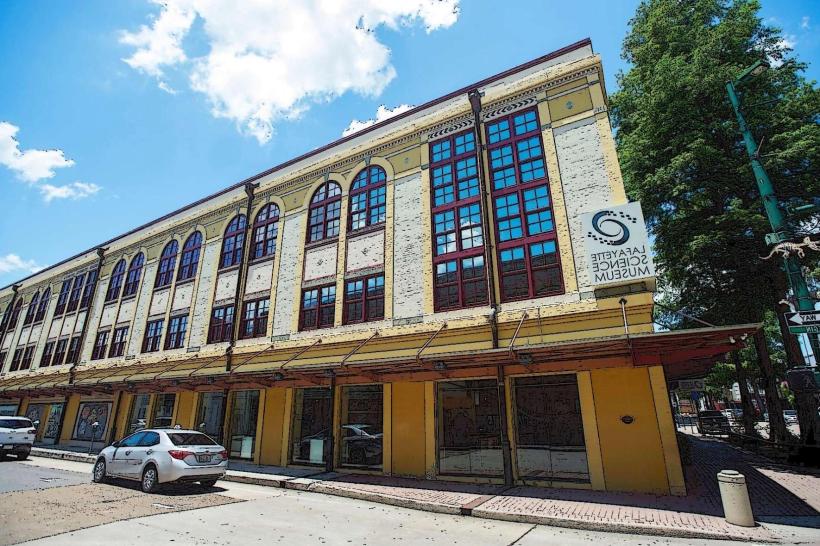
- Lafayette Science Museum (1.8km Northeast)
- Downtown Lafayette (3.2km Northeast)
- Alexandria Museum of Art (75km North)
- Breaux Bridge (25km East)