City: Lefaga
Country: Samoa
Continent: Australia
Lefaga, Samoa, Australia
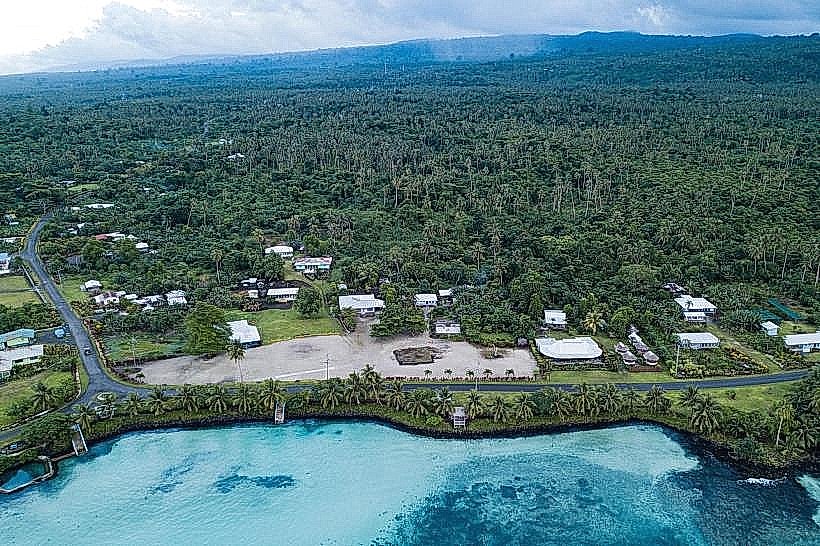
Lefaga is a traditional village settlement and district located on the southwestern coast of Upolu. It serves as a significant cultural and environmental hub, positioned between the Safata district to the east and the Aana district to the west.
Historical Timeline
Lefaga has been a site of traditional Samoan settlement for centuries, governed by the local Matai councils of the Lefaga and Falese'ela districts. The most significant architectural event was the 2009 South Pacific tsunami, which caused extensive damage to the coastal infrastructure and led to the inland relocation of several family units. The primary event shaping its current urban form was the 1950s production of the Hollywood film Return to Paradise, which catalyzed the village’s transition into a globally recognized destination and established its modern tourism framework.
Demographics & Population
The village and its surrounding sub-villages have a combined population of approximately 1,500 residents. The demographics are 99% ethnic Samoan. The median age is approximately 22 years, mirroring the national youthful demographic trend.
Urban Layout & Key Districts
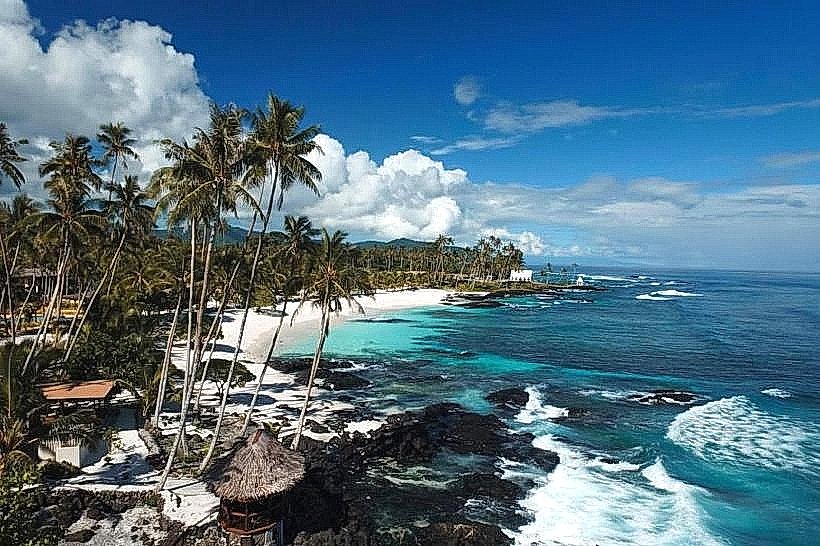
Lefaga is organized along the Main South Coast Road, following a linear coastal pattern. The village is divided into the Residential Center (Malae), where the communal activities and churches are located, and the Return to Paradise Beach (Southwest), which is the primary district for visitors. The northern sections consist of elevated agricultural lands used for cocoa and coconut cultivation.
Top City Landmarks
Return to Paradise Beach
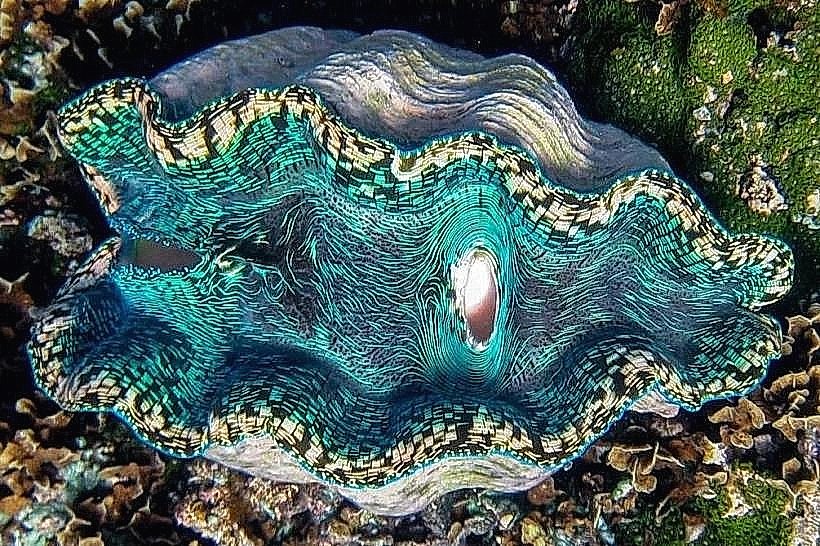
Giant Clam Sanctuary (Savaia)
Lefaga Bay
Lefaga Congregational Church
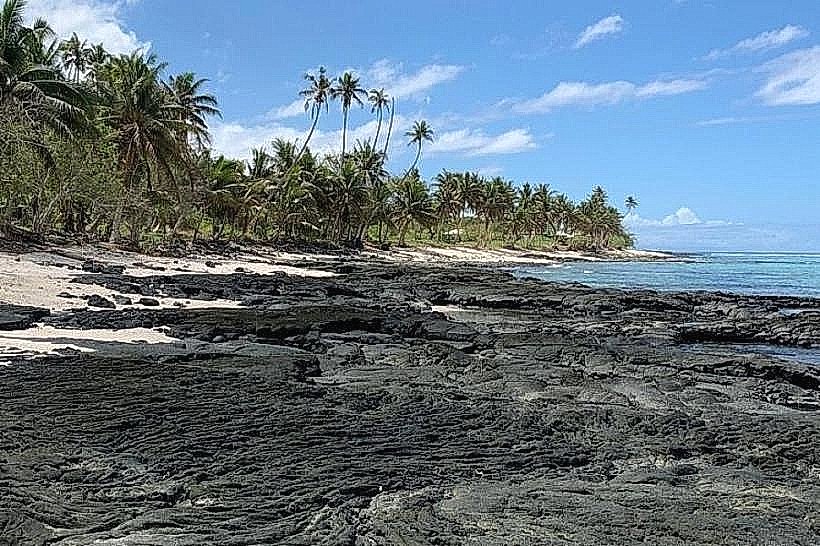
Matareva Beach
Transportation Network
Movement within Lefaga is conducted via private vehicles or the national bus system. Buses run regularly along the South Coast Road toward Apia and the western districts. There is no rail or metro infrastructure. Taxis are available through resorts or can be summoned from the capital; official taxis are white. Traffic density is very low, consisting mainly of local residential transit and tourist vehicles.
Safety & "Red Zones"
The village is exceptionally safe for travelers. There are no "red zones." The primary hazards are environmental, specifically strong undertows in the bay and sharp coral reefs. Cultural safety requires adherence to the evening "Sa" (prayer time), during which movement and noise must be minimized. Visitors must pay a small entrance fee to access specific beach areas and the clam sanctuary.
Digital & Financial Infrastructure
Internet speeds average 20 Mbps via 4G/LTE. Vodafone and Digicel are the main carriers. Card acceptance is limited to the Return to Paradise Resort; all village-level transactions and entry fees are cash-only. There are no ATMs in Lefaga; the nearest banking services are located in Apia, approximately a 60-minute drive away.
Climate & Air Quality
Temperatures range from 24°C to 31°C year-round. Air quality is pristine. The area is highly exposed to southern maritime weather patterns, resulting in frequent rain showers and high humidity. The village is in a high-risk zone for tropical cyclones during the wet season (November–April).
Culture & Social Norms
Tipping is not standard. A handshake is the standard greeting. Dress code is conservative; swimwear is strictly for the beach and must be covered with a lava-lava or shirt when entering the village. Alcohol consumption is generally restricted to private areas and licensed resort facilities.
Accommodation Zones
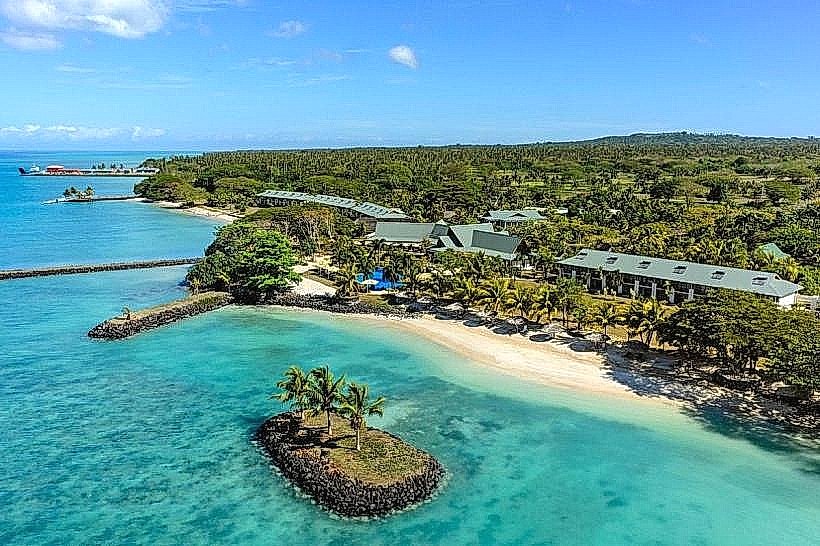
Beachfront Resorts: Recommended for luxury access to the famous filming locations and white sands.
Savaia: Recommended for eco-tourism and proximity to the giant clam sanctuary.
Local Cost Index
Espresso: 9.00 WST ($3.30)
Standard Lunch: 35.00 WST ($13.00)
Bus Ticket (to Apia): 6.00 WST ($2.20)
Nearby Day Trips
Giant Clam Sanctuary: 5 km (10-minute drive).
Matareva Beach: 10 km (15-minute drive).
Apia: 35 km (60-minute drive).
Siumu: 20 km (30-minute drive).
Facts & Legends
Lefaga gained international fame in 1953 as the primary filming location for the movie Return to Paradise, starring Gary Cooper. A verified historical oddity is that the village was the first in Samoa to establish a community-led marine protected area for giant clams (Tridacna gigas), where the local "Guardians of the Reef" have successfully cultivated clams that are now over 40 years old and weigh more than 200 kilograms.