Landmark: Return to Paradise Beach
City: Lefaga
Country: Samoa
Continent: Australia
Return to Paradise Beach, Lefaga, Samoa, Australia
Return to Paradise Beach is a landmark coastal destination on the south coast of Upolu, Samoa. It gained international fame as the primary filming location for the 1953 Hollywood film Return to Paradise, starring Gary Cooper.
Visual Characteristics
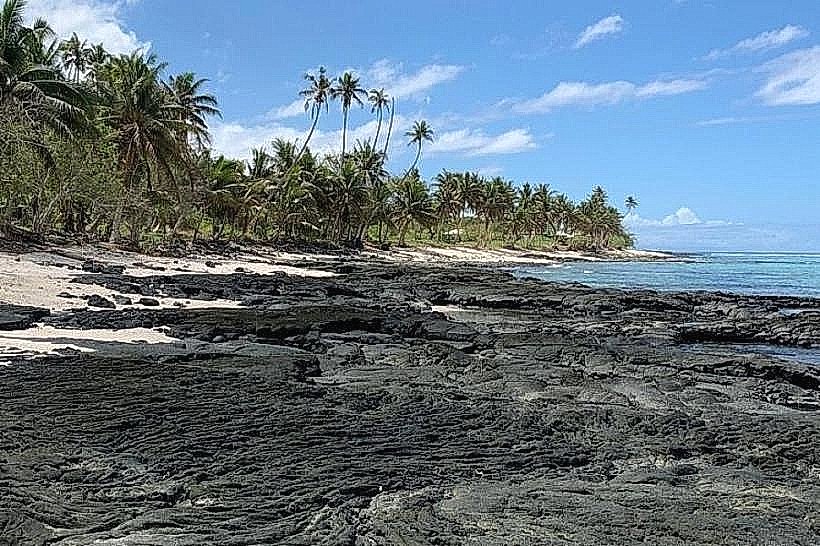
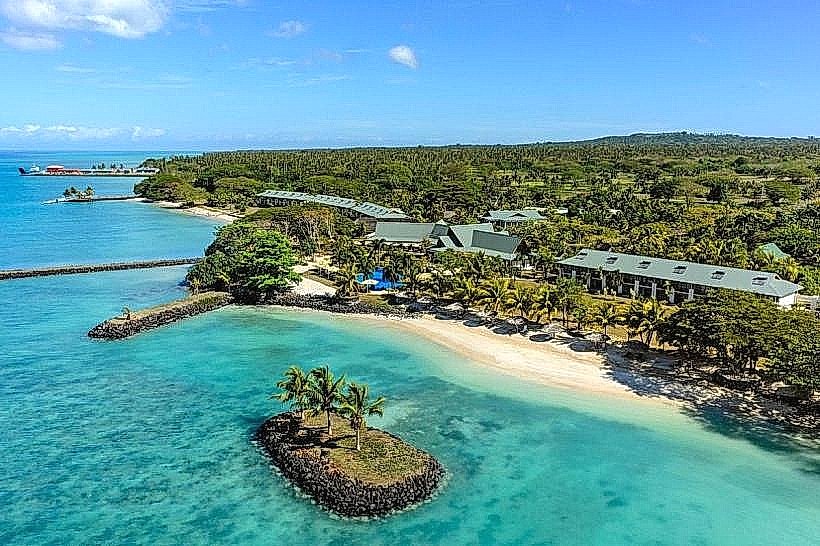
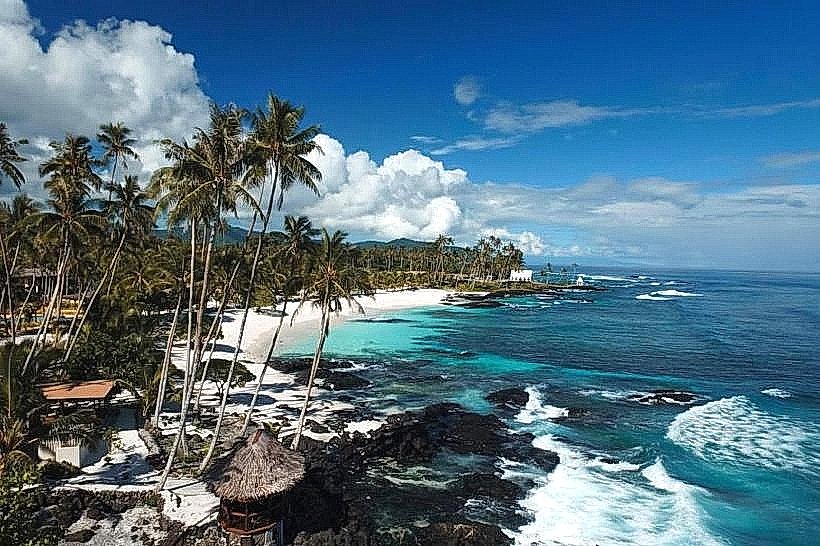
The beach is characterized by its vivid white "powder" sand framed by dramatic jet-black volcanic rock formations. It spans approximately one kilometer of ocean frontage, bordered by a dense fringe of tropical forest. The water is a bright turquoise, with a coral lagoon that provides calm conditions for swimming and snorkeling, particularly during the two hours on either side of high tide.
Location & Access Logistics
The beach is located in the Lefaga district, approximately 25 minutes (25km) south of Faleolo International Airport and 45 minutes from Apia via the Cross Island Road. Access is via a private road leading to the Return to Paradise Resort. While primarily managed by the resort, the beach is open to day-trippers for a fee. Day guests are typically required to check in at the resort reception, and outside food or beverages are prohibited.
Historical & Ecological Origin
The site has been under the guardianship of local families for over 1,000 years. Its modern fame stems from Hollywood's 1953 selection of the site as the "perfect" tropical setting for James Michener's story. Ecologically, the beach and its fringing reef are home to a vibrant marine ecosystem; dolphins, whales, and sea turtles are frequently sighted from the shore. The resort on-site is 100% Samoan-owned and operated, reflecting a commitment to local land stewardship.
Key Highlights & Activities
Snorkeling: The reef directly offshore contains a variety of coral and marine life.
Cultural Demonstrations: The resort hosts weekly Fiafia nights featuring traditional Samoan dance and fire knife performances.
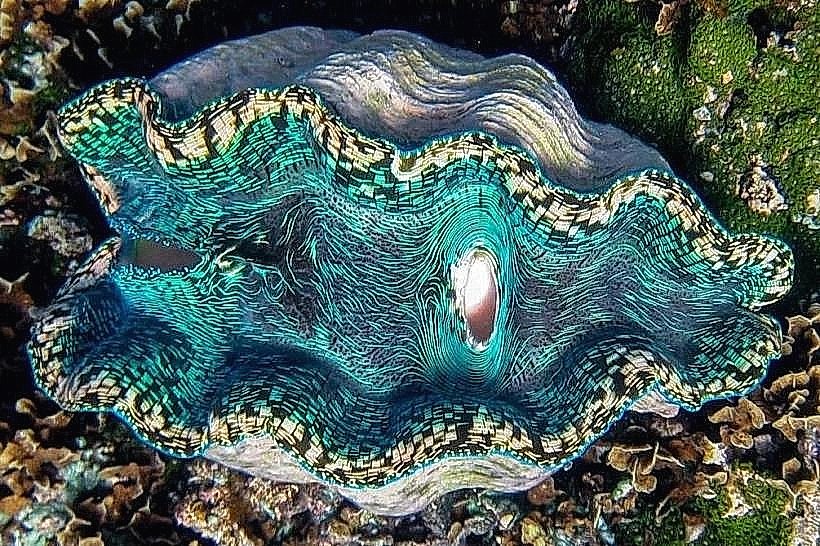
Guided Tours: Popular excursions from this hub include visits to the Giant Clam Sanctuary, swimming with turtles, and kayaking through nearby mangroves.
Photography: The contrast between the white sand and black lava rocks is a primary draw for photographers.
Infrastructure & Amenities
The site features extensive infrastructure due to the presence of a 4-star resort. Amenities include multiple swimming pools (including an adults-only pool), public restrooms, showers, and a beachside chapel. Dining options include the Paradise Kitchen Restaurant, Cabana Café, and the Rock Pool Bar. A day spa and outdoor gym are also available on-site. 4G/5G cell signal is strong and reliable throughout the area.
Best Time to Visit
The beach is accessible year-round, with the warmest temperatures occurring in April (reaching 30°C). For the best water clarity and swimming conditions, visitors should time their arrival to coincide with the high tide cycle. Late afternoon is ideal for witnessing the sunsets for which the Lefaga coast is renowned.
Facts & Legends
A unique historical fact is that many of the resort's structures utilize traditional Samoan architecture, including thatched roofs and hand-carved poles, built using age-old techniques. A practical tip for visitors is to bring water shoes, as the sea floor near the lava rocks can be uneven and the depth increases moderately.
Nearby Landmarks
Matareva Beach – 5.5km West
Samoan Cultural Village (Lefaga) – 2.0km North
Giant Clam Sanctuary (Savaia) – 12.0km West
Papaseea Sliding Rocks – 18.7km Northeast