City: Lufilufi
Country: Samoa
Continent: Australia
Lufilufi, Samoa, Australia
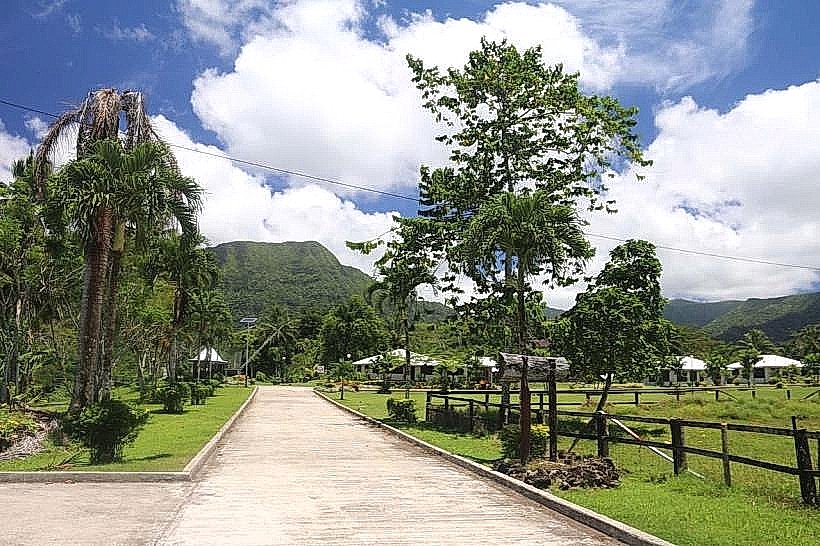
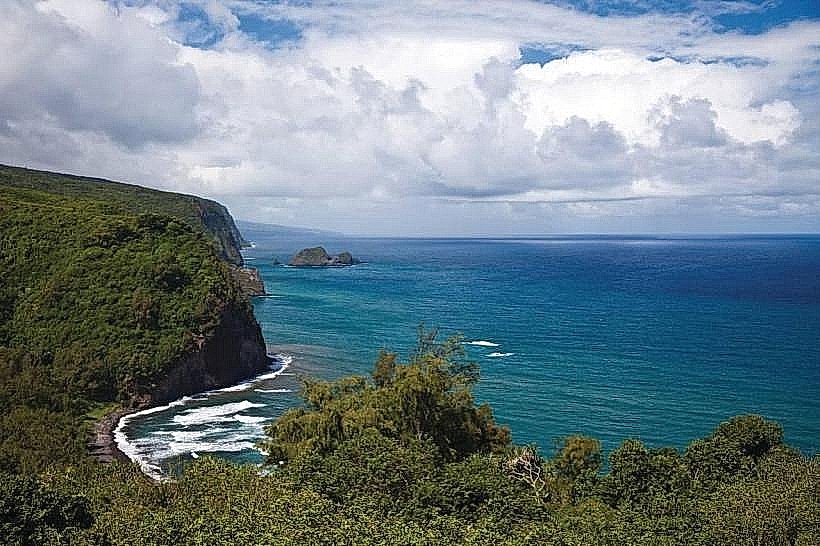
Lufilufi is the traditional capital of the Atua district, serving as a primary political and ceremonial center on the island of Upolu. It is situated on the northeastern coast of Samoa, positioned between the Falefa Valley and the Pacific coastline.
Historical Timeline
Founded in the pre-colonial era as the seat of the Tui Atua title, the village has been governed by traditional Samoan chieftainships, German colonial administration, and New Zealand mandates. The current urban form was primarily shaped by the transition to Samoan independence in 1962 and the reconstruction of traditional fale structures into modern concrete dwellings following major cyclones in the late 20th century. The most significant political shift occurred during the 19th-century tribal wars which solidified its status as the orator capital.
Demographics & Population
The village population is approximately 1,100 residents, with the metropolitan area of the Atua district housing roughly 22,000. The demographics are 98% ethnic Samoan, with small percentages of mixed European-Samoan and other Pacific Islander heritage. The median age is approximately 22 years.
Urban Layout & Key Districts
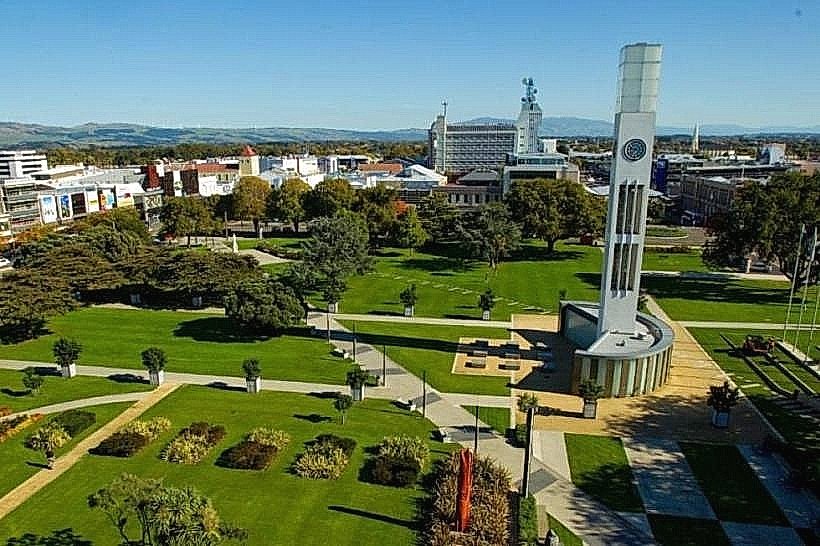
Lufilufi is organized linearly along the Main East Coast Road. The Malae o Lulumaivini (the central ceremonial green) is the most important district for visitors, located at the village heart, while the residential areas extend inland toward the agricultural plantations and seaward toward the reef.
Top City Landmarks
Malae o Lulumaivini (Sacred Orator Ground)
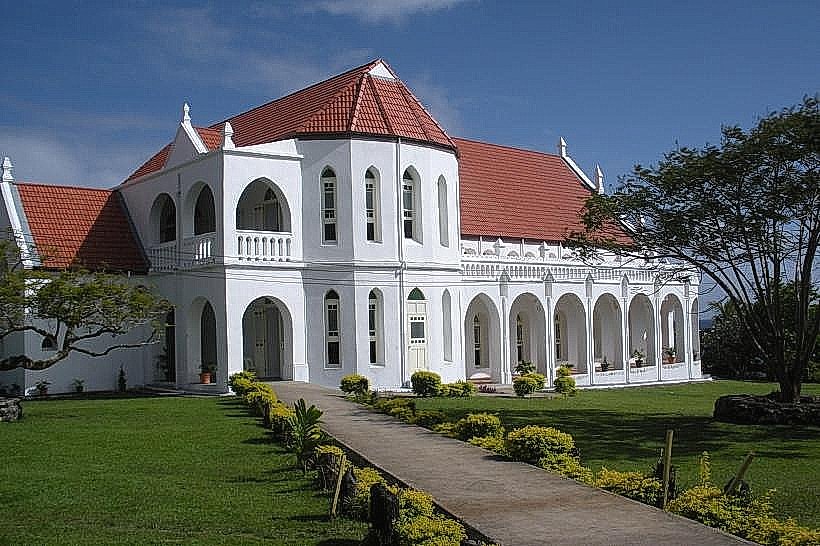
Piula Theological College
Methodist Church of Lufilufi
The Tui Atua Royal Burial Sites
Transportation Network
Movement within Lufilufi is primarily conducted via private vehicles or the national bus system (locally known as "Island Buses," which are brightly painted wooden vehicles). There are no Metro or Tram systems. Taxis are available from Apia but rarely stationed within the village; official taxis are white with a "T" plate prefix. Traffic density is low, consisting mostly of through-traffic on the coastal highway.
Safety & "Red Zones"
The village is very safe for visitors. There are no specific "red zones," but it is culturally required to avoid walking through the village during "Sa" (evening prayer time, usually between 18:00 and 19:00). Common scams are non-existent, though unauthorized entry into private beach fales may result in a requested "entry fee."
Digital & Financial Infrastructure
Average internet speed is 20 Mbps via 4G/LTE. Main mobile carriers are Digicel and Vodafone Samoa. Card acceptance is low; most transactions are cash-only. There are no ATMs in Lufilufi; the nearest units are located in Saluafata or Apia.
Climate & Air Quality
Temperatures range from 24°C to 30°C year-round. Air quality is excellent due to maritime breezes. The primary weather risk is the cyclone season from November to April, and heavy rainfall is frequent during these months.
Culture & Social Norms
Tipping is not expected. A handshake is the standard greeting, but a slight nod of the head is common. Dress code is conservative; swimwear must be restricted to the beach, and lava-lavas (sarongs) are expected when entering the village. Alcohol consumption is prohibited in public village areas outside of licensed accommodation.
Accommodation Zones
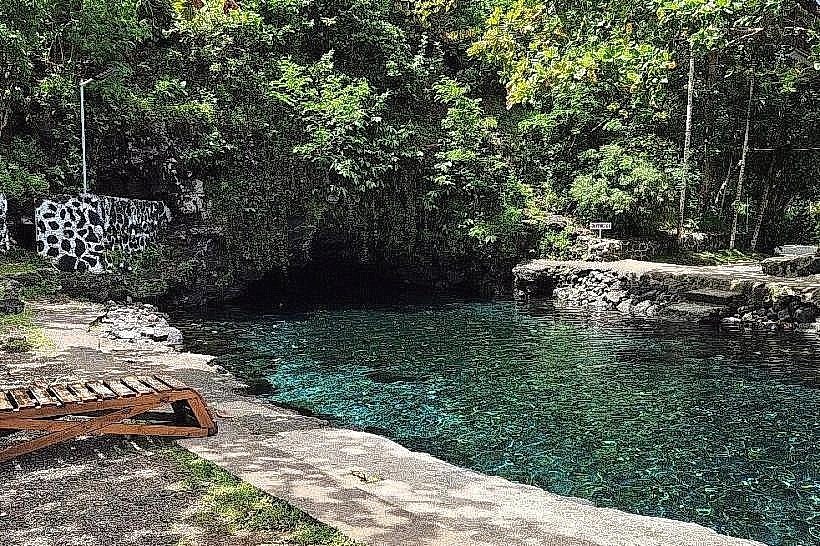
Piula Area: Stay here for immediate access to the freshwater pools and theological heritage.
Coastal Fales: Stay in the beachfront huts for traditional Samoan "faleo'o" experiences and proximity to the reef.
Local Cost Index
Espresso: 8.00 WST ($3.00)
Standard Lunch: 25.00 WST ($9.20)
Bus Ticket (to Apia): 5.00 WST ($1.85)
Nearby Day Trips
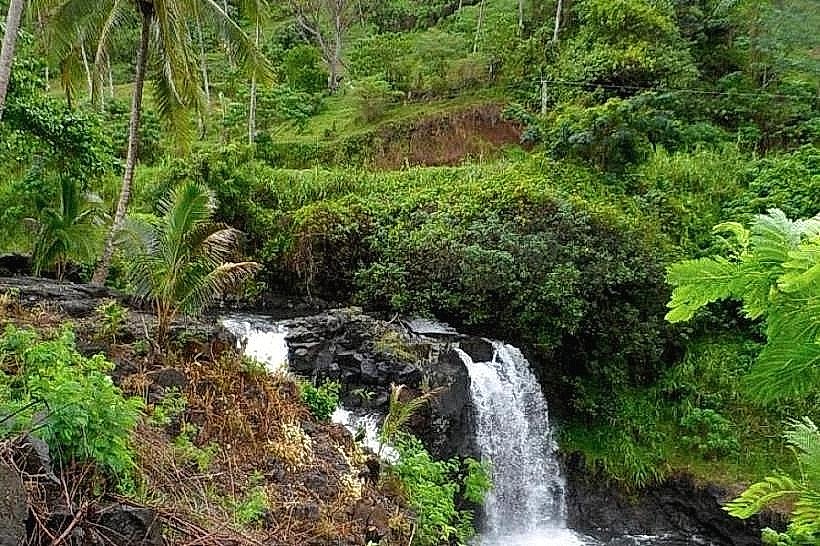
Falefa Falls: 5 km (10-minute drive).
Lalomanu Beach: 45 km (1-hour drive).
Apia (Capital City): 25 km (35-minute drive).
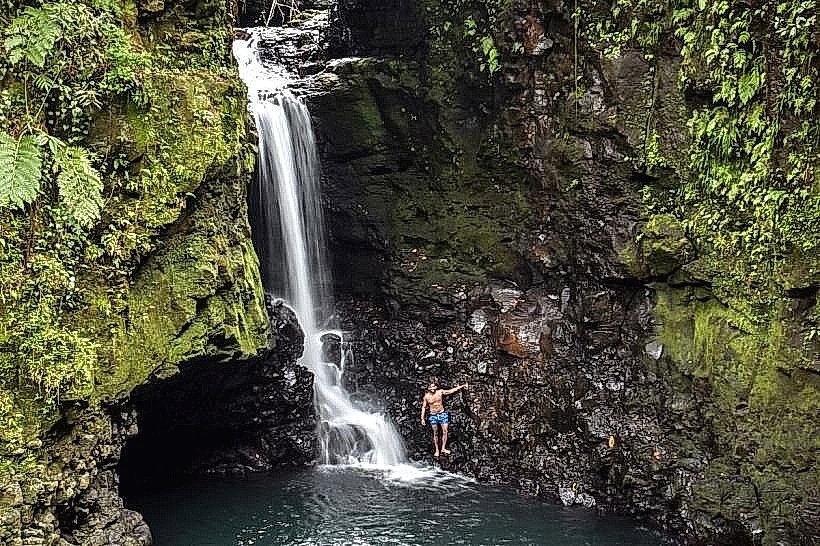
Sopo'aga Falls: 30 km (45-minute drive).
Facts & Legends
Lufilufi is known as the "Land of the Orators" because of the legend of the Tui Atua title. It is said that the village holds the power to appoint the king of the district, and historical accounts claim that Lufilufi warriors were so feared that they could silence an entire valley just by the sound of their conch shells. A verified oddity is the Piula Cave Pool, a natural freshwater spring that runs underneath a historic Methodist chapel and connects directly to the sea.