Landmark: Falefa Falls
City: Lufilufi
Country: Samoa
Continent: Australia
Falefa Falls, Lufilufi, Samoa, Australia
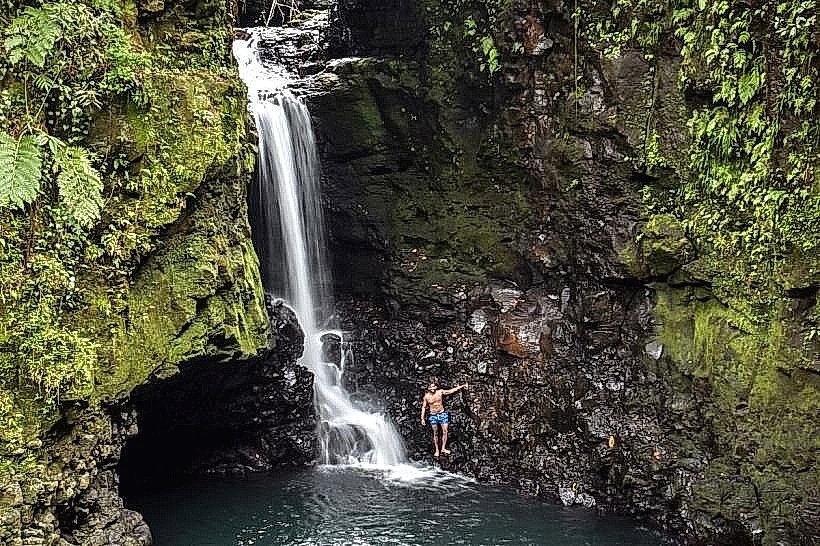
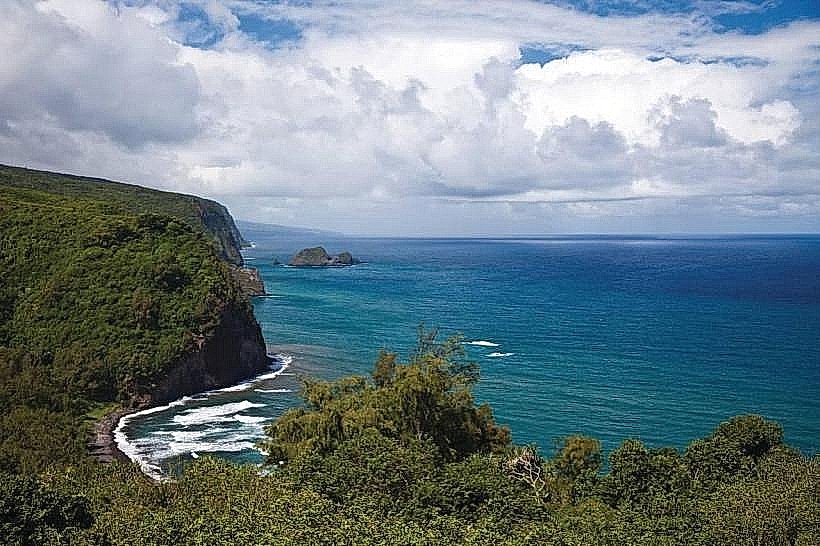
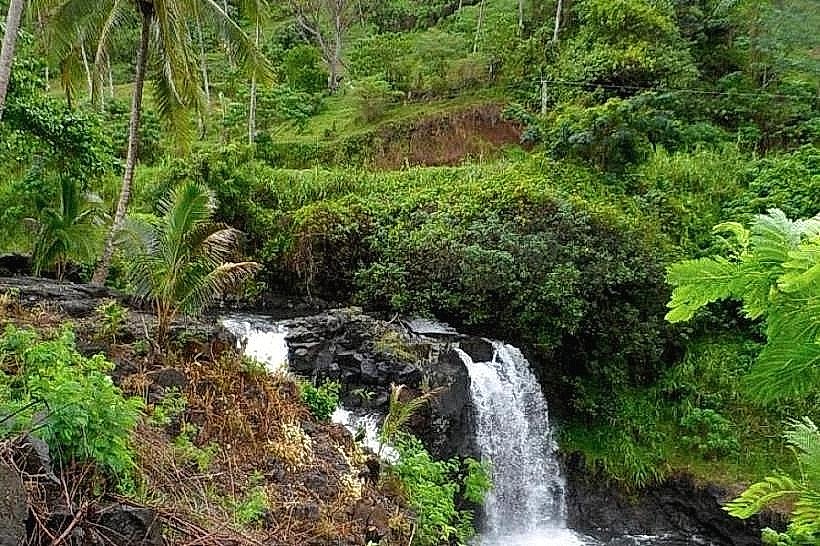
Falefa Falls is a 10-meter-high tiered waterfall located at the edge of Falefa Village on the northeast coast of Upolu, Samoa. The falls drop directly from the Falefa River into a large pool that connects to the ocean at Falefa Bay.
Visual Characteristics
The falls consist of a wide curtain of water cascading over a dark basalt rock ledge. The surrounding terrain is characterized by dense tropical ferns and steep, jungle-covered riverbanks. The water color fluctuates between clear and silty brown depending on recent rainfall, while the plunge pool below is deep and enclosed by vertical rock faces.
Location & Access Logistics
The site is located 30km east of Apia along the Main East Coast Road. Access is via a marked turn-off near the Falefa bridge, leading to a small parking area. Public transport is available via the East Coast bus route originating from the Fugalei terminal in Apia; the walk from the bus drop-off point to the viewpoint is approximately 200 meters.
Historical & Ecological Origin
The waterfall is a riverine feature formed by the Falefa River as it traverses ancient lava flows toward the coast. Historically, the area served as a strategic point for local Samoan chiefs, and the pool at the base was once used as a primary gathering site for the surrounding Falefa district villages.
Key Highlights & Activities
Observation from the upper viewpoint provides a panoramic view of the falls and the bay. Swimming is permitted in the lower pool, though caution is required due to currents after heavy rain. Hiking trails lead through the adjacent forest to various vantage points along the river's edge.
Infrastructure & Amenities
The site includes a maintained lookout platform and concrete steps leading toward the river. Basic restroom facilities are located near the entrance gate. Shaded wooden fales are available for public use. Cell phone signal strength is moderate, typically providing 4G connectivity.
Best Time to Visit
Optimal viewing occurs during the wet season (November to March) when the water volume is at its peak. For photography, mid-morning light provides the best illumination of the falls before the sun moves behind the western ridge. High tide is preferred for those wishing to see the river water meet the rising bay tide.
Facts & Legends
According to local oral history, the falls and the river are guarded by spiritual entities, and visitors are often encouraged to be respectful and quiet when entering the water. A unique geographic feature is that the falls are located exactly where the freshwater river system transitions into a saltwater estuary.
Nearby Landmarks
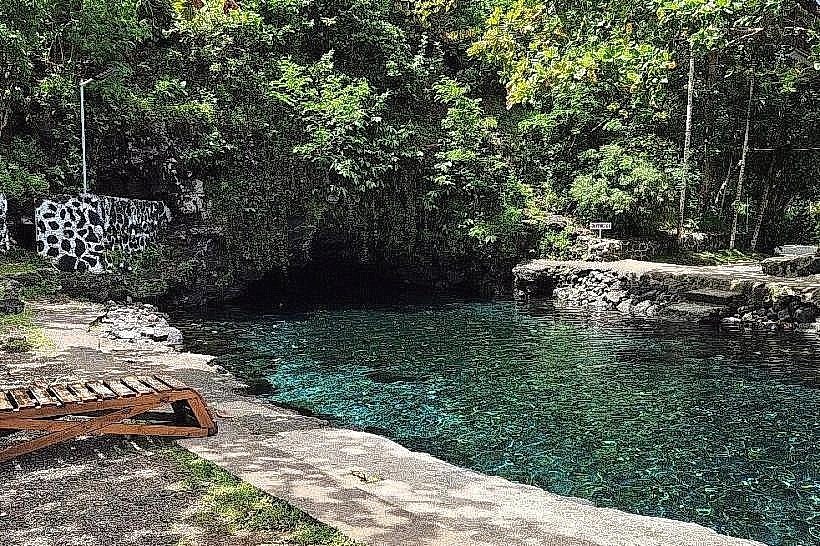
Piula Cave Pool – 4.2km West
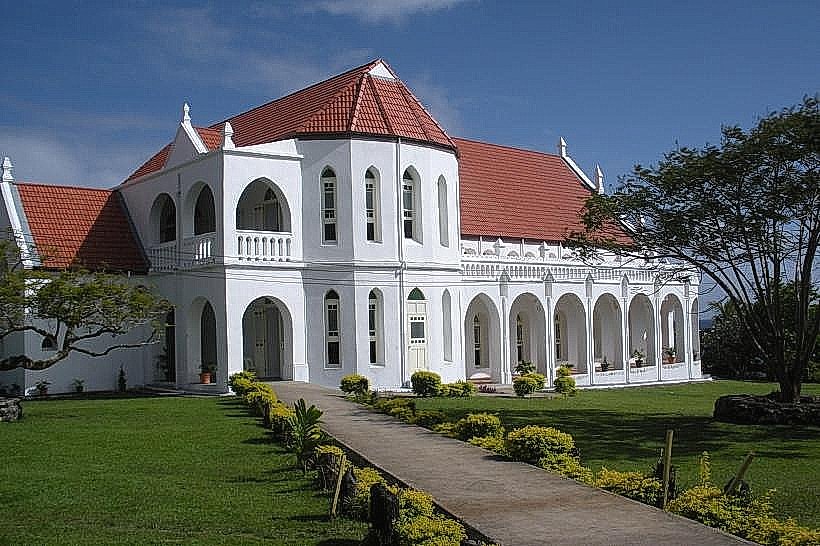
Methodist Theological College Grounds – 4.4km West
Le Mafa Pass Lookout – 4.1km Southeast
Sauniatu Waterfall – 3.5km Southwest