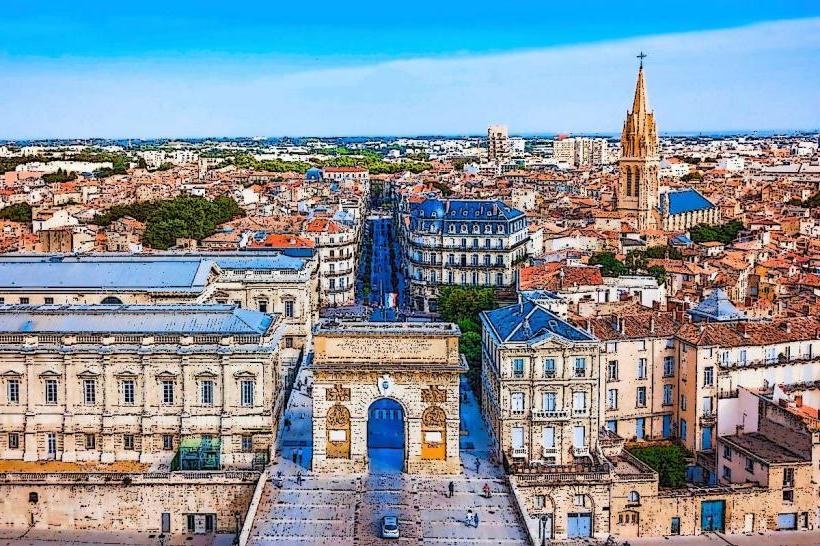
City: Montpellier
Country: France
Continent: Europe
Montpellier, France, Europe
Montpellier is the capital of the Hérault department in southern France, located 10 kilometers inland from the Mediterranean coast. It is one of the few major cities in the region without Roman origins, having been founded in the 10th century.
Visual Characteristics
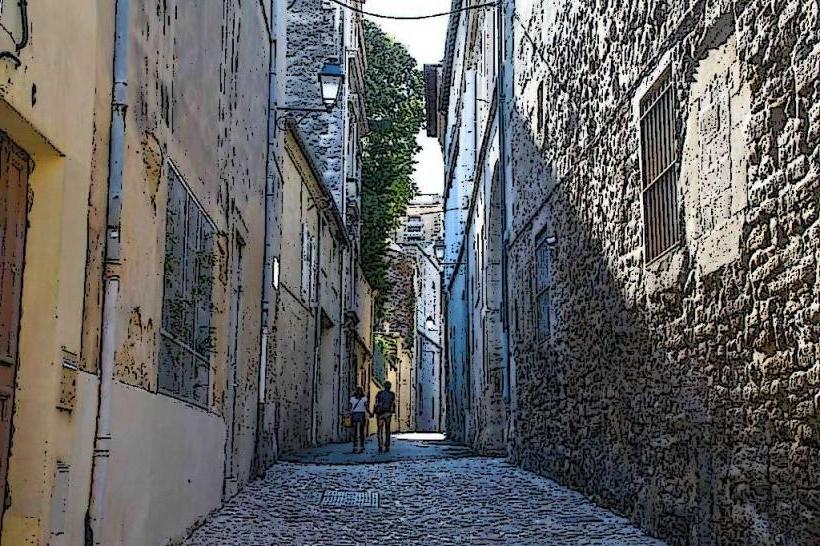
The city is characterized by a "white-and-blue" aesthetic, featuring pale limestone neoclassical architecture and a highly visible network of modern trams decorated by designers like Christian Lacroix. The historic center, "L'Écusson," consists of a dense, pedestrianized marble-paved labyrinth. The eastern Antigone district displays a stark contrast with its monumental, postmodern Greco-Roman style architecture designed by Ricardo Bofill.
Location & Access Logistics
Montpellier is situated on a hilly site between the Lez and Mosson rivers. It is served by the Montpellier–Méditerranée Airport (MPL), 7 kilometers southeast. Two major rail stations serve the city: the central Gare de Montpellier-Saint-Roch and the high-speed Gare de Montpellier-Sud-de-France (6km from center). The TaM transit network operates four tramway lines and an extensive bus system. Vehicle access to the core is restricted; primary parking is located in underground facilities at Place de la Comédie and Polygone.
Historical & Ecological Origin
Founded by local lords in 985, Montpellier became a major center for Mediterranean trade and scholasticism. Its university, established in 1160, is home to the world’s oldest continuously operating medical school. Geologically, the city occupies a series of limestone ridges. It has experienced rapid urban growth since the 1960s, evolving from a regional market town into a significant hub for biotechnology and information technology.
Key Highlights & Activities
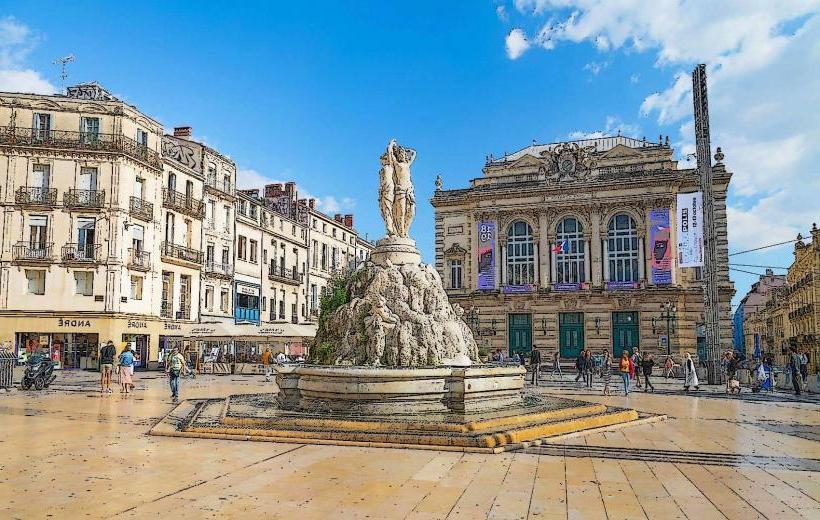
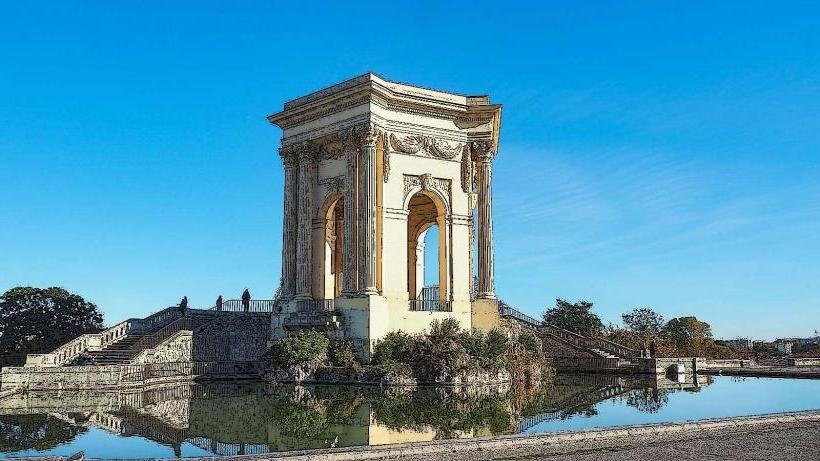
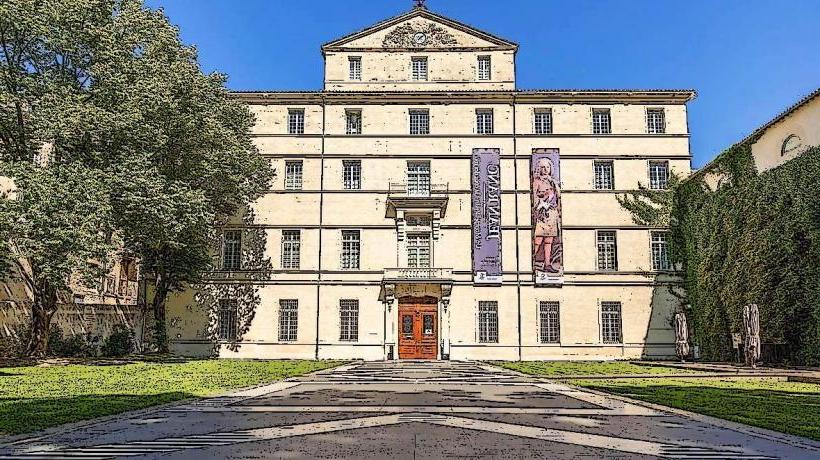
Walking the Place de la Comédie connects the historic core to modern districts. The Musée Fabre contains one of France's most significant collections of European paintings, including works by Courbet and Soulages. Visitors can access the Promenade du Peyrou, a 17th-century esplanade featuring the Porte du Peyrou (triumphal arch) and the Saint-Clément Aqueduct. The Jardin des Plantes, founded in 1593, is the oldest botanical garden in France and is open for scientific and recreational tours.
Infrastructure & Amenities
The pedestrianized center is equipped with public restrooms near the Comédie and within major parks. High-speed 5G cellular coverage is universal. The "Vélomagg" bike-sharing system provides short-term rentals at automated stations across the city. Drinking water fountains are located in major squares. Food services and retail are concentrated in the L’Écusson and the Odysseum commercial complex.
Best Time to Visit
The climate is favorable from May through October, with over 300 days of sunshine annually. Temperatures typically range from 20°C to 28°C in summer. Photography of the Promenade du Peyrou is optimal at sunset for views toward the Pic Saint-Loup mountain. The "Estivales," a weekly summer night market featuring local wines and food, occurs every Friday evening in July and August.
Facts & Legends
The city's medical school faculty once included Nostradamus and François Rabelais. A local architectural oddity is the "Arbre Blanc" (White Tree), a 17-story residential tower with cantilevered balconies that mimic the shape of a tree. Legend holds that the city was named after "Mons Pessulanus," referring to a hill used for medicinal plants, or "Mons Puellarum" (Hill of the Maidens), relating to two sisters who founded a local religious house.
Nearby Landmarks
Place de la Comédie: Central hub
Cathédrale Saint-Pierre: 0.6km Northwest
Promenade du Peyrou: 0.8km West
Musée Fabre: 0.2km Northeast of Comédie
Antigone District: 0.5km East