City: New Orleans
Country: USA Louisiana
Continent: North America
New Orleans, USA Louisiana, North America
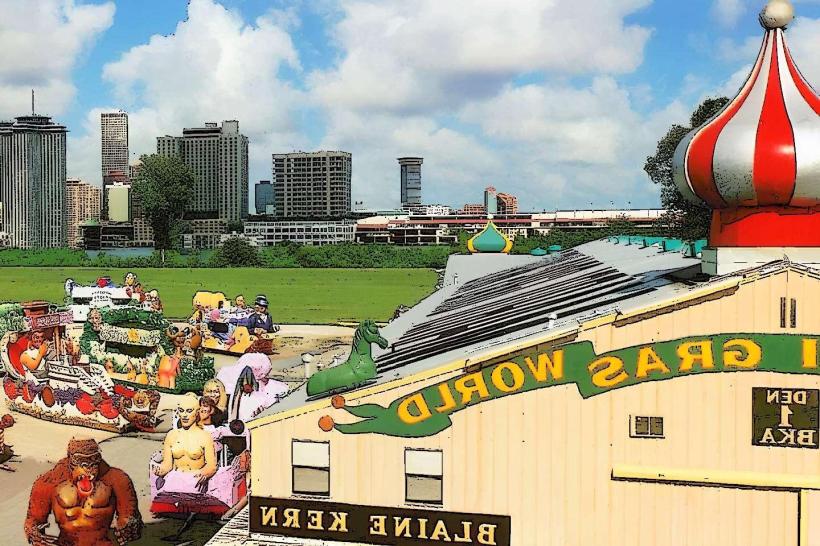
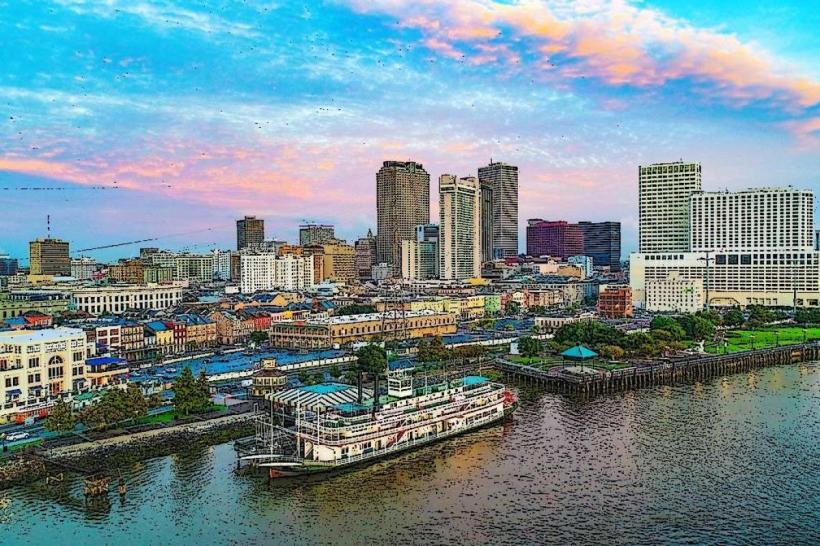
New Orleans is an independent city and a consolidated city-parish (Orleans Parish) located along the Mississippi River. Known as "The Big Easy," it is defined by its multilingual cross-cultural heritage (French, Spanish, African, and Caribbean), its status as the birthplace of Jazz, and a globally unique culinary and architectural identity that functions as a distinct cultural island within the United States.
Historical Timeline
Founded in 1718 by Jean-Baptiste Le Moyne de Bienville for the French Mississippi Company. It was ceded to Spain in 1762, returned to France in 1800, and sold to the U.S. in the Louisiana Purchase (1803). A critical historical event was the 1815 Battle of New Orleans, where Andrew Jackson defeated the British. In the 20th century, the city became the primary engine of jazz and civil rights milestones. The most transformative event of the modern era was Hurricane Katrina (2005), which caused a breach in the federal levee system, flooding 80% of the city and necessitating a total urban and demographic reconstruction.
Demographics & Population
The population is approximately 370,000 (Metro area ~1.2 million). The demographics are Black or African American (58%), White (33%), and Hispanic or Latino (6%). The economy is driven by tourism, port operations (one of the world's busiest), healthcare, and oil and gas production.
Urban Layout & Key Districts
The city is organized by "Wards" and follows the crescent shape of the Mississippi River.
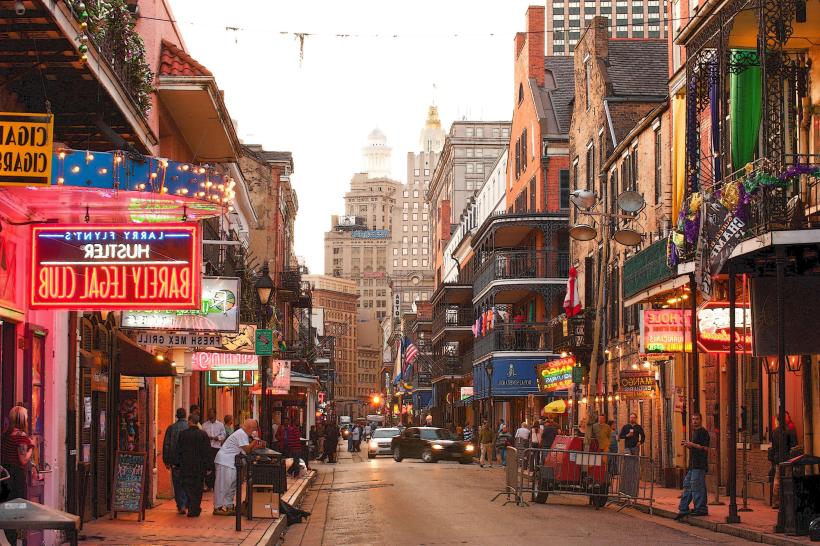
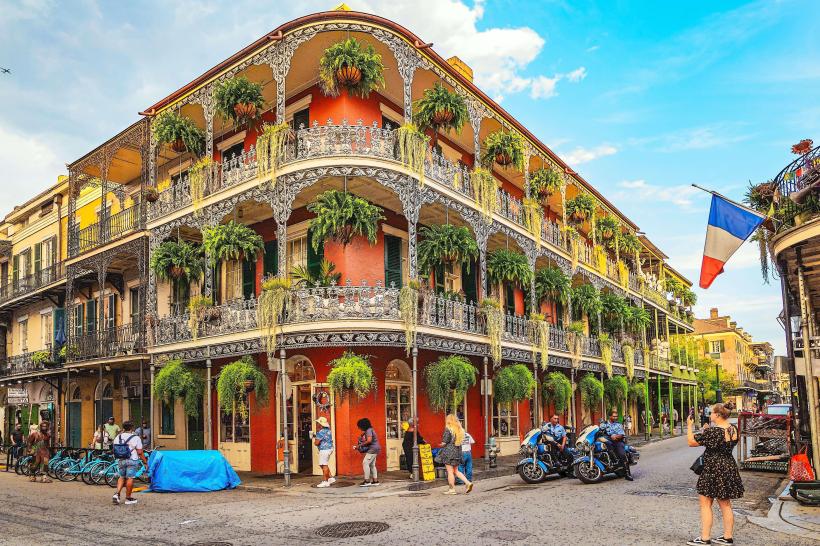
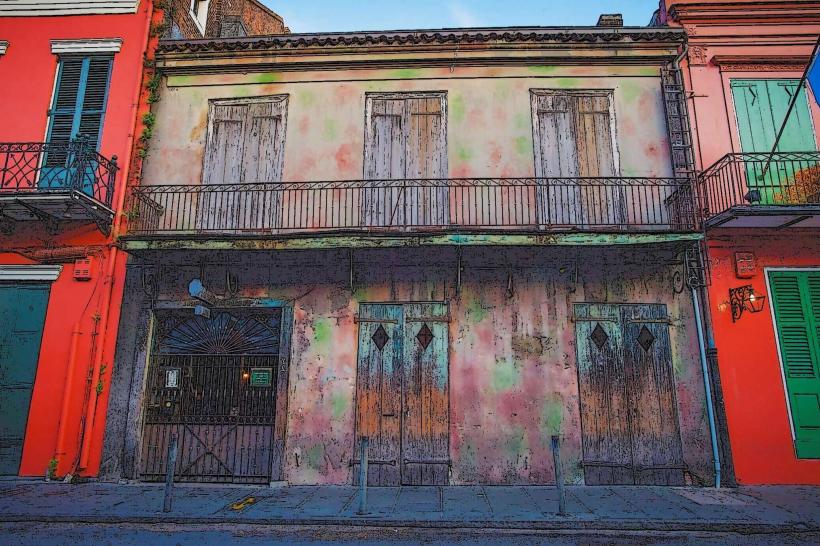
French Quarter (Vieux Carré): The oldest and most famous district, featuring Spanish colonial architecture, wrought-iron balconies, and Bourbon Street.
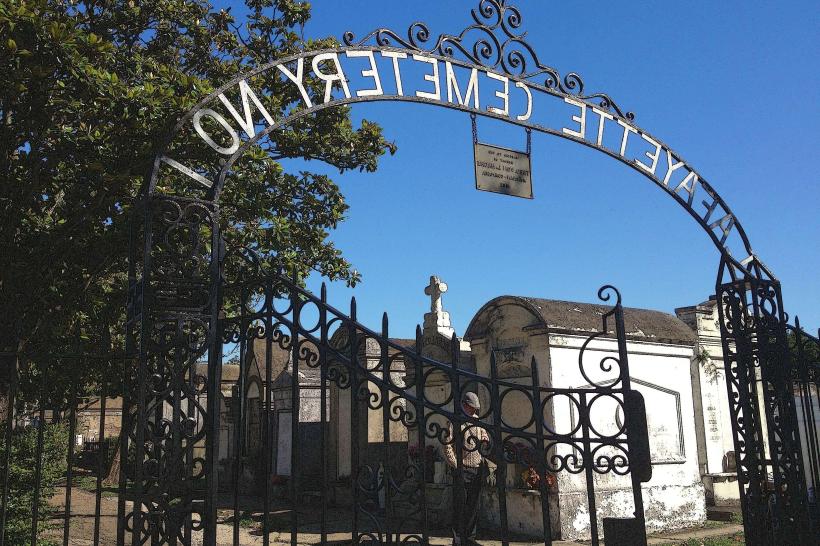
Garden District: An affluent area known for its massive 19th-century mansions, lush gardens, and the Lafayette Cemetery No. 1.
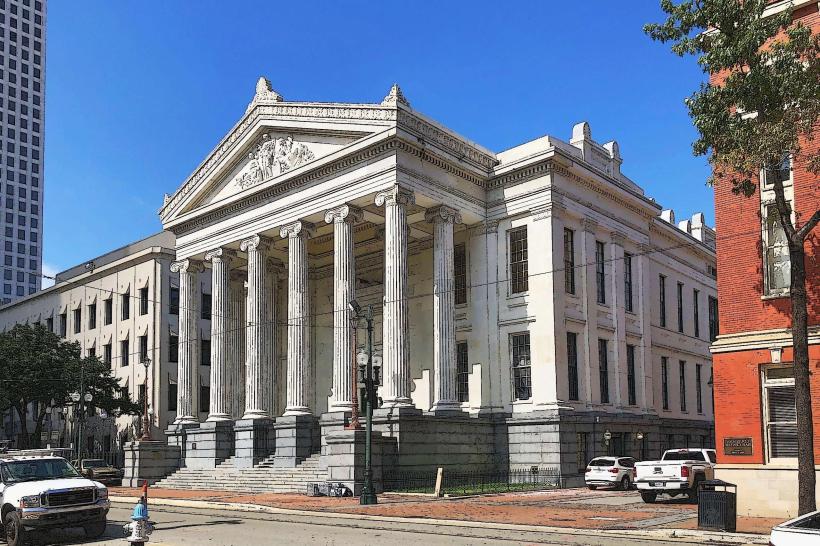
Central Business District (CBD): The modern high-rise core containing the Superdome, luxury hotels, and the Warehouse District arts scene.
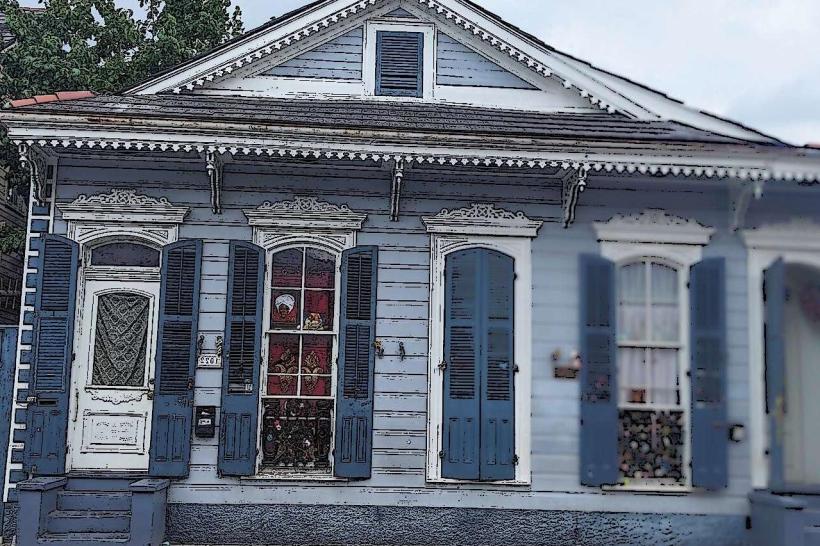
Marigny/Bywater: Trendy, colorful neighborhoods east of the Quarter known for Frenchmen Street’s live music venues and Creole cottages.
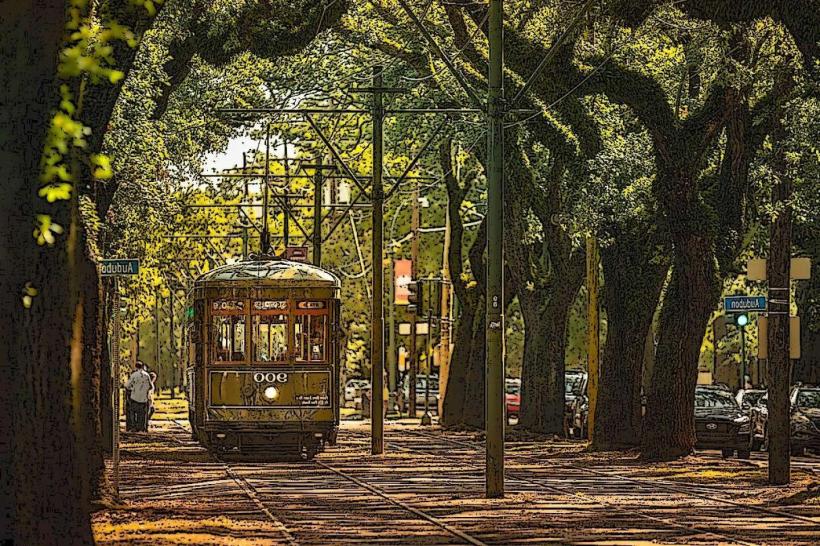
Uptown / Carrollton: Home to Tulane and Loyola Universities, characterized by streetcar lines and oak-lined avenues.
Top City Landmarks
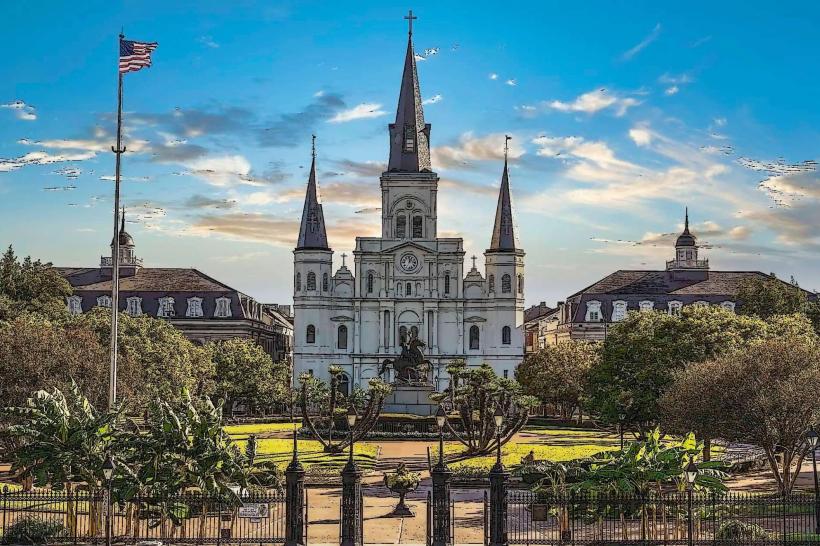
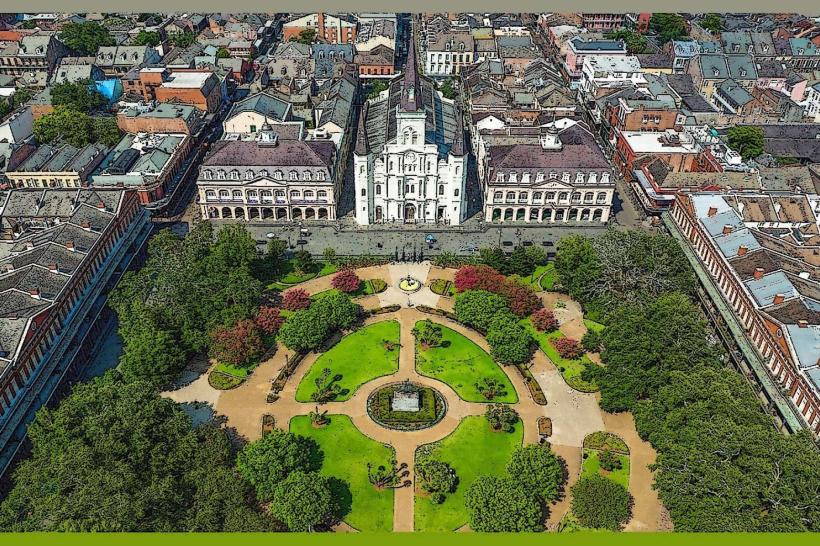
Jackson Square: A historic park in the French Quarter fronting the St. Louis Cathedral, the oldest continuously active cathedral in the U.S.
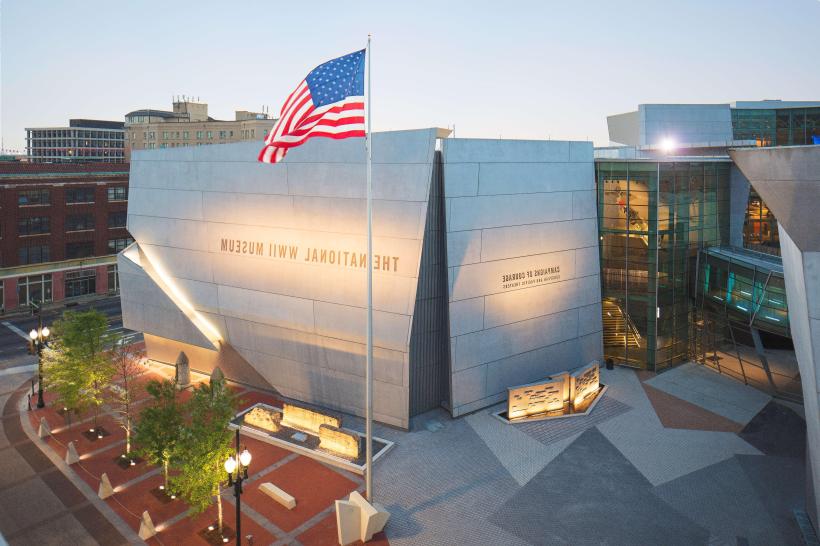
The National WWII Museum: A massive, world-renowned complex designated by Congress as the country's official WWII museum.
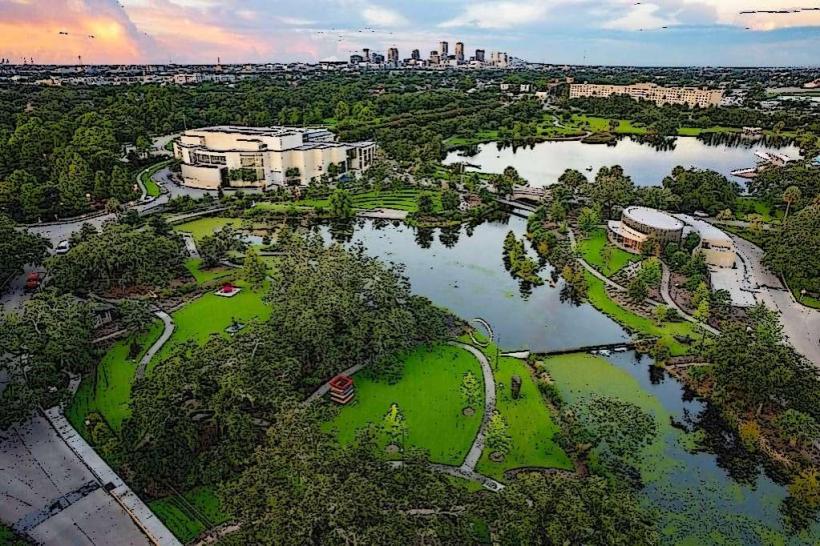
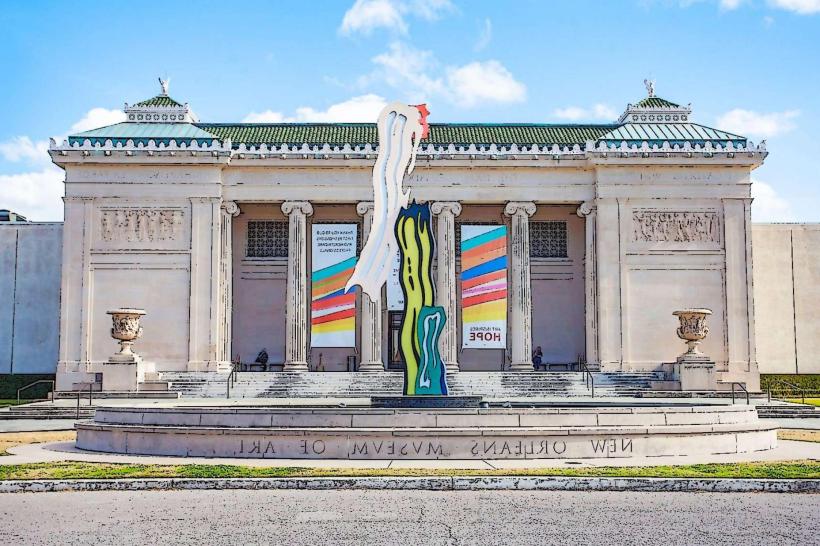
City Park: A 1,300-acre public park featuring the New Orleans Museum of Art and the world's largest collection of mature live oaks.
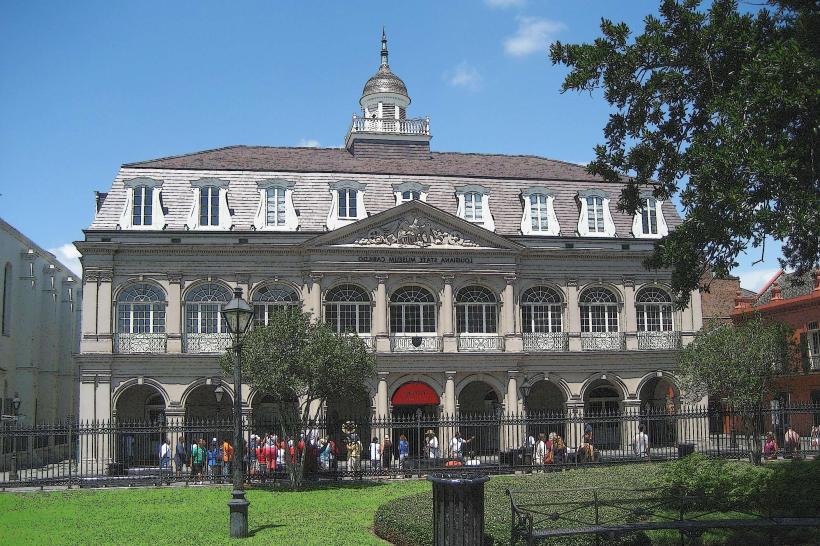
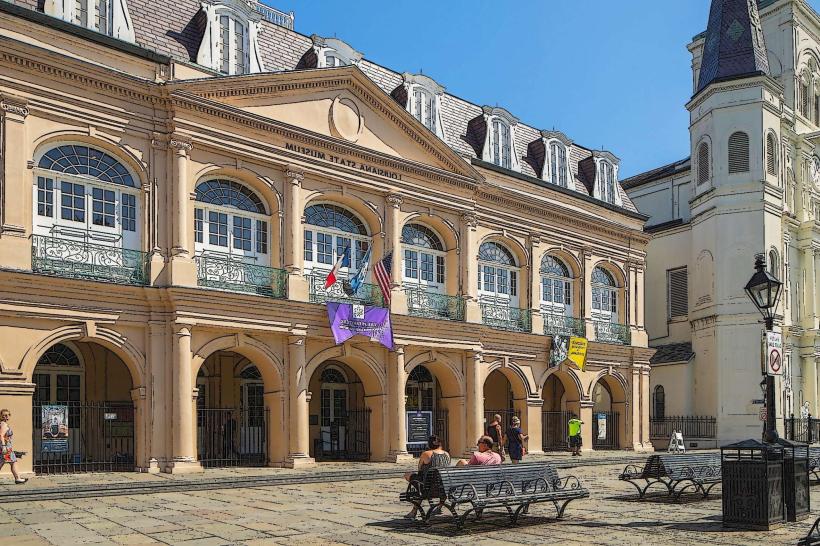
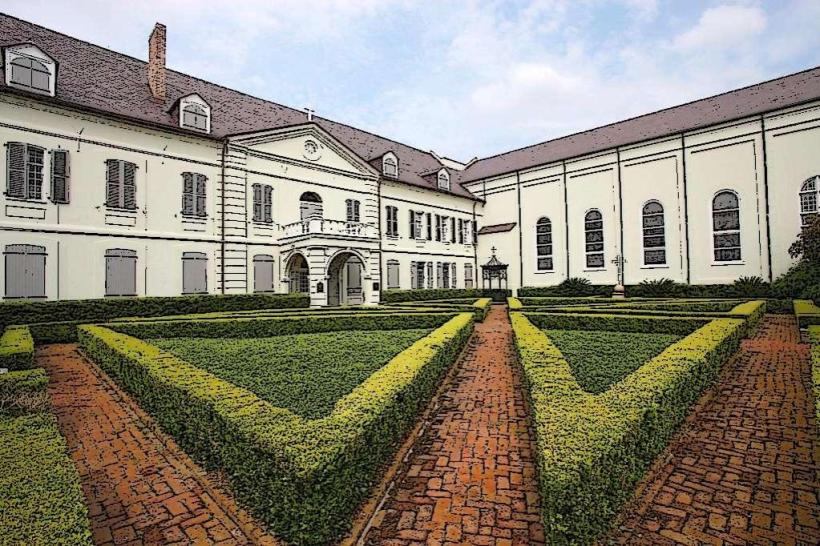
The Presbytère and The Cabildo: Historic Spanish buildings flanking the cathedral, housing major exhibits on Mardi Gras and Louisiana history.
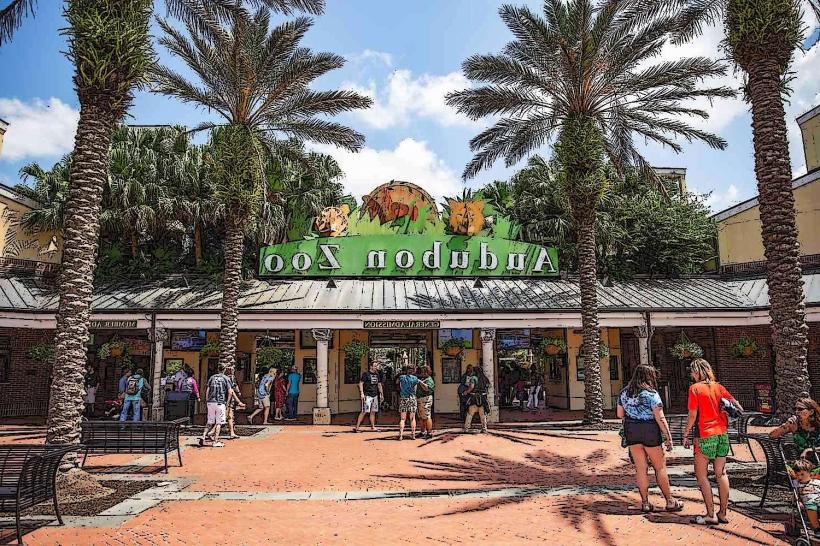
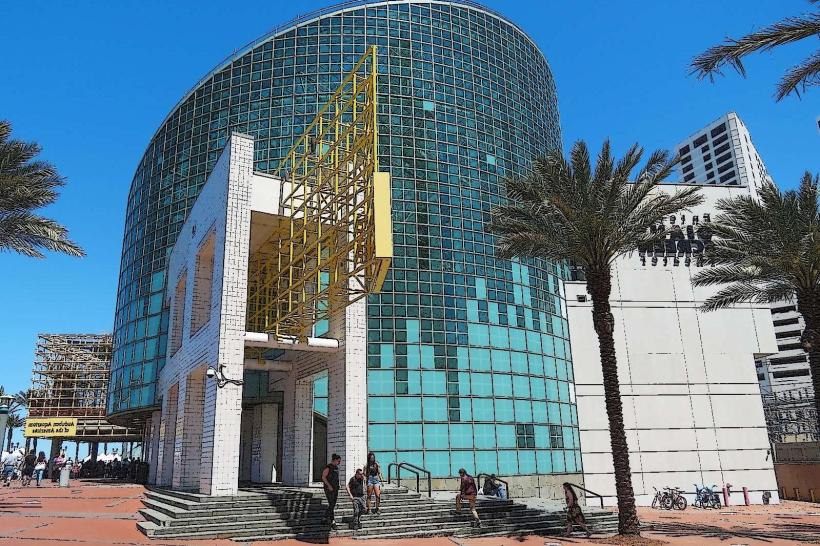
Audubon Nature Institute: Comprising a top-tier zoo, aquarium, and insectarium.
Bourbon Street: A 13-block stretch of entertainment and nightlife, the primary artery of the city's tourism industry.
Transportation Network
Movement is automotive and pedestrian-centric in the core. The city is famous for its Streetcar System (St. Charles, Canal Street, and Riverfront lines), which are National Historic Landmarks. Public transit is provided by the RTA. Commercial air service is via Louis Monroe (MSY). The city is the southern terminus for several Amtrak lines, including the City of New Orleans.
Safety & "Red Zones"
The general safety level is low. New Orleans consistently has one of the highest per-capita homicide rates in the U.S. Property crime is prevalent in tourist areas. Caution is advised at night throughout the city. Specific "Red Zones" to avoid include parts of the 7th Ward, Central City, Mid-City after dark, and the Lower 9th Ward. Stick to well-lit, high-traffic corridors like St. Charles Avenue and the French Quarter, though pickpockets are common in the latter. Environmental hazards include extreme hurricane risk and localized street flooding.
Digital & Financial Infrastructure
Internet speeds average 500+ Mbps with fiber availability via Cox and AT&T. Main mobile carriers are Verizon and T-Mobile. Card acceptance is universal, though many "Old World" bars and eateries in the French Quarter remain cash-only. ATMs are ubiquitous in the CBD and Quarter.
Climate & Air Quality
Temperatures range from 7°C to 17°C in winter and 24°C to 33°C in summer. The city is characterized by extreme humidity and heavy tropical rainfall. Air quality is moderate.
Culture & Social Norms
The standard tipping percentage is 20-25%. A "Festive-Casual" greeting is standard. Dress codes range from "Beach-Casual" to "High-Formal" in historic dining rooms (jackets are required at places like Galatoire's). The city is culturally defined by Mardi Gras, the Second Line parade tradition, and the "Lagniappe" philosophy (giving a little something extra).
Local Cost Index
1 Espresso: $4.50 (USD)
1 Standard Lunch: $22.00 (USD)
1 Beignet Order (Cafe Du Monde): $4.00.
Nearby Day Trips
Plantation Alley: (50-80 km west; including Whitney Plantation and Oak Alley).
Honey Island Swamp: (50 km northeast; offering guided eco-tours of pristine wetlands).
Avery Island: (220 km west; the birthplace of Tabasco sauce).
Facts & Legends
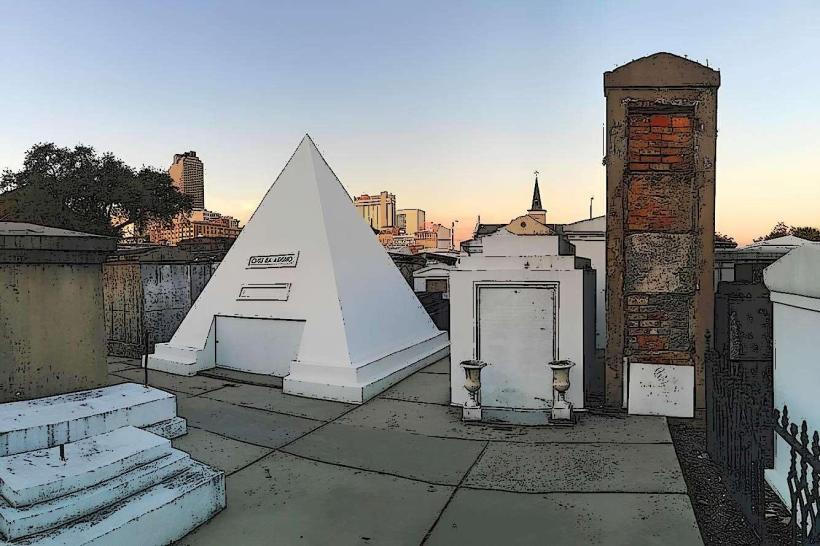
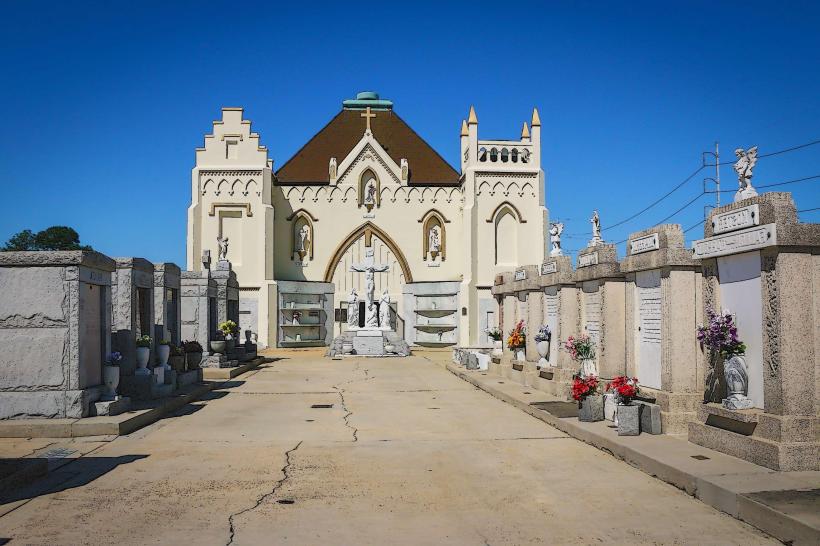
New Orleans is the only U.S. city where open containers of alcohol are legal in the street (specifically the French Quarter). Historically, it was the site of the first Opera House in North America. A local legend involves Marie Laveau, the Voodoo Queen of New Orleans, whose tomb in St. Louis Cemetery No. 1 is still a site of pilgrimage. Another legend concerns the Rougarou, a Cajun werewolf rumored to haunt the surrounding swamplands.