City: Tunis
Country: Tunisia
Continent: Africa
Tunis, Tunisia, Africa
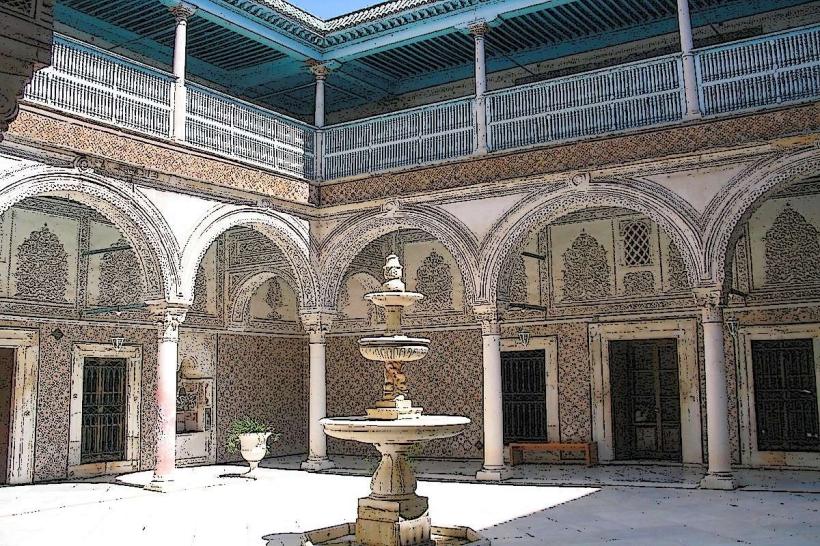
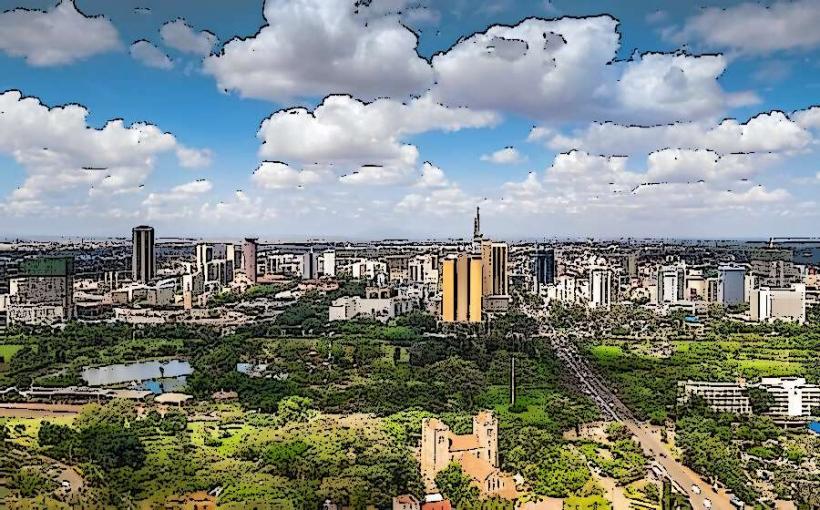
Tunis is the capital of Tunisia and a primary gateway to the Mediterranean, situated at an elevation of 4 meters on the Gulf of Tunis. It is characterized by the juxtaposition of its 7th-century Islamic Medina and the colonial-era "Ville Nouvelle."
Historical Timeline
Tunis originated as a small Berber settlement (Tunis) that predates ancient Carthage. After the Roman destruction of Carthage in 146 BC, Tunis remained secondary until the Umayyad conquest in 698 AD, when it was established as a strategic naval base. The city reached its golden age under the Hafsid Dynasty (1229–1574), becoming one of the most prosperous cities in the Islamic world. Following centuries of Ottoman and later French protectorate rule (1881–1956), Tunis became the capital of an independent republic.
Demographics & Population
The estimated metropolitan population for 2026 is 2,578,000. The demographics are predominantly Arab-Berber, with a growing expatriate community from Europe and Sub-Saharan Africa. The literacy rate is high (approx. 85%), and the median age is 32.8 years, reflecting a more mature demographic compared to regional neighbors.
Urban Layout & Key Districts
The city is organized between the Lake of Tunis and the hills of the Belvedere.
The Medina: A UNESCO World Heritage site consisting of a dense labyrinth of souks, mosques, and palaces.
Ville Nouvelle (Downtown): Built by the French, centered on Avenue Habib Bourguiba, featuring Art Deco and Haussmann-style architecture.
Les Berges du Lac: A modern, upscale district built on reclaimed land, hosting embassies and corporate headquarters.
La Marsa & Gammarth: Affluent seaside suburbs to the northeast known for luxury villas and nightlife.
Top City Landmarks
Zitouna Mosque: Founded in 698 AD, the oldest and most significant mosque in the capital.
Bardo National Museum: Housed in a 13th-century palace, it contains the world's largest collection of Roman mosaics.
Al-Kasbah Square: The administrative heart of the city, surrounded by government ministries.
Cathedral of St. Vincent de Paul: A neo-Byzantine landmark in the Ville Nouvelle.
Bab el Bhar (Porte de France): The historic gate separating the old Medina from the modern city.
Transportation Network
Intra-city transit is managed by the Métro Léger (light rail) and an extensive bus network. Yellow Taxis are ubiquitous and metered. For inter-city travel, the TGM train connects central Tunis to the northern suburbs (Carthage, Sidi Bou Said). The Tunis-Carthage International Airport serves as the primary aviation hub. Traffic congestion is significant during rush hours on the Z4 and X-road arteries.
Safety & "Red Zones"
The general safety level is moderate. Petty theft and pickpocketing occur in the crowded souks of the Medina and on Avenue Habib Bourguiba. There are no specific "red zones" within the city, but travelers should avoid political demonstrations which typically gather near the Ministry of Interior. A visible security presence is standard in the CBD.
Digital & Financial Infrastructure
Internet speeds average 30–50 Mbps via fiber and 4G/5G. Main carriers are Tunisie Telecom, Ooredoo, and Orange. The Tunisian Dinar (TND) is a closed currency; it cannot be exported or imported. ATMs are concentrated in the Ville Nouvelle and Les Berges du Lac. Credit card acceptance is standard in hotels and upscale restaurants but rare in the Medina.
Climate & Air Quality
Temperatures range from 8°C in winter to 34°C in summer. The climate is Mediterranean. Air quality is generally moderate, though dust and vehicle emissions concentrate in the city center. Significant weather risks include intense heatwaves in July and August and occasional flash flooding during autumn thunderstorms.
Culture & Social Norms
Arabic is the official language, but French is used extensively in business and administration. Tunisian Darija (dialect) is the spoken vernacular. Culture is a blend of Mediterranean and Islamic values; while cosmopolitan, modest dress is expected in the Medina and religious sites. Tipping (5–10%) is customary in cafes and restaurants.
Accommodation Zones
Ville Nouvelle: Recommended for business transit and architectural interest.
Les Berges du Lac: Recommended for high-end corporate stays and security.
Sidi Bou Said / La Marsa: Recommended for leisure and Mediterranean views.
Local Cost Index
1 Espresso: 3.5 TND ($1.15 USD)
1 Standard Lunch (Couscous/Salade Méchouia): 18 TND ($5.80 USD)
1 Average Taxi Trip (City Center): 7 TND ($2.25 USD)
Nearby Day Trips
Carthage: 15 km (Extensive Punic and Roman ruins).
Sidi Bou Said: 18 km (Blue-and-white clifftop village).
Dougga: 110 km (The best-preserved Roman small town in North Africa).
Bizerte: 65 km (Historic port and the northernmost city in Africa).
Facts & Legends
Tunis is often called "The Green" (Tunis al-Khadra). A local legend claims that the city’s prosperity is tied to the Zitouna (Olive Tree) mosque, which was built on the site of an ancient olive tree where a holy man once prayed. A verified historical oddity is that the Bardo Museum's mosaic collection is so vast that many pieces remain in storage or are part of the museum's floors, allowing visitors to walk over 2,000-year-old art.