City: Westerly
Country: USA Rhode Island
Continent: North America
Westerly, USA Rhode Island, North America
Westerly is a coastal town on the southwestern edge of Rhode Island, serving as a regional commercial hub and a premier summer destination. It is bordered by the Pawcatuck River to the west, which separates the town from Stonington, Connecticut.
Historical Timeline
Westerly was incorporated in 1669, becoming the fifth municipality in the colony. Primary eras of governance include the colonial agrarian period, the 19th-century industrial boom centered on "Westerly Granite" quarrying and textile manufacturing, and the Gilded Age development of coastal resorts. The most significant event shaping the current urban form was the Great New England Hurricane of 1938, which decimated the Misquamicut and Watch Hill shorelines, leading to the modern, reinforced coastal reconstruction seen today.
Demographics & Population
The total population is approximately 23,359. The top three ethnic demographics are White (89.1%), Hispanic or Latino (3.8%), and Two or More Races (3.1%). The median age is 47.3 years.
Urban Layout & Key Districts
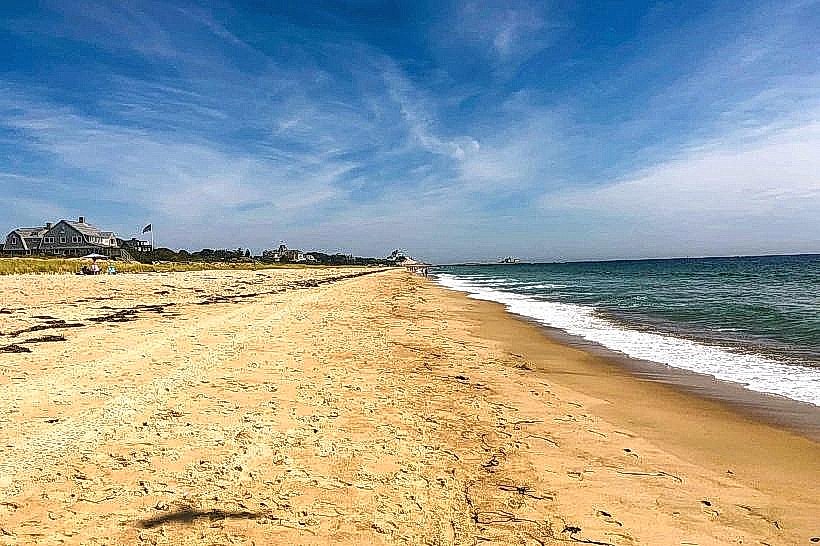
The town is organized into a dense, walkable Downtown (Northwest) situated on the riverbank and several coastal villages to the south. Watch Hill (Southwest) is an affluent seasonal enclave, while Misquamicut (South) serves as the primary public beach and entertainment district. Bradford (Northeast) remains a quieter, residential mill village.
Top City Landmarks
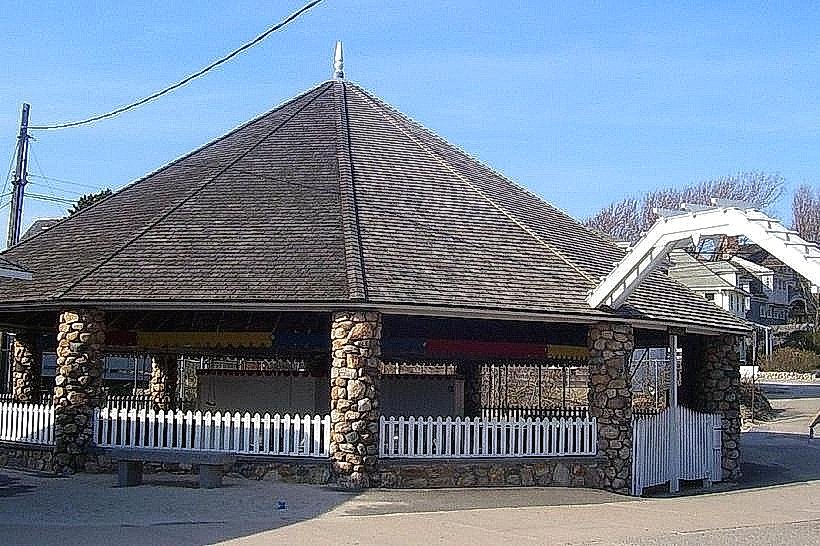
Flying Horse Carousel (oldest in the US)
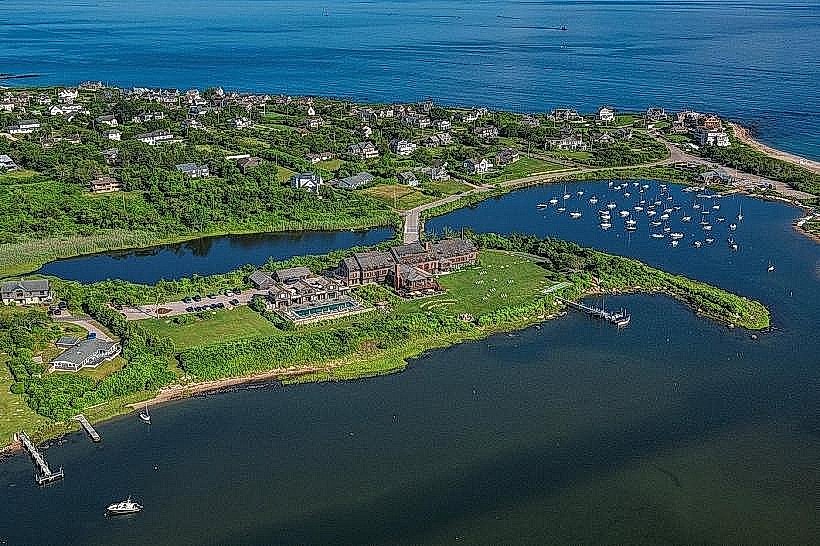
Ocean House
Babcock-Smith House
Transportation Network
Movement is primarily by private vehicle. Westerly is a major transit stop on the Amtrak Northeast Corridor, providing direct rail access to Boston and New York. The Rhode Island Public Transit Authority (RIPTA) provides local bus service (Route 204). There are no metro or tram systems. Uber and Lyft density is moderate to high during summer months. Taxis are operated by local companies like Wright’s Taxi. Traffic is heavy on Route 1 and Atlantic Avenue during July and August.
Safety & "Red Zones"
The safety level is high. There are no specific "red zones," though the downtown bar district can experience minor disturbances during weekend late-night hours. Common scams are rare, but "ghost" vacation rentals are reported during peak summer season.
Digital & Financial Infrastructure
Average internet speed is 400 Mbps via Cox or Verizon. Main mobile carriers are Verizon, T-Mobile, and AT&T. Card acceptance is universal in the Downtown and Watch Hill districts. ATMs are ubiquitous, particularly in the shopping plazas along Route 1.
Climate & Air Quality
Temperatures range from -5°C to 4°C in January and 19°C to 28°C in July. Air quality is high. Weather risks include severe coastal flooding and storm surges during Atlantic hurricanes and winter Nor'easters.
Culture & Social Norms
Tipping is expected at 20%. Greetings are informal. Dress code is "coastal casual," though Watch Hill establishments often require "resort formal" (collared shirts, no swimwear). Beach parking regulations are strictly enforced; non-resident fees are high.
Accommodation Zones
Stay in Downtown Westerly for walking access to the train station, Wilcox Park, and restaurants. Stay in Watch Hill for luxury beachfront access and proximity to historical landmarks.
Local Cost Index
1 Espresso: USD 4.50
1 Standard Lunch: USD 18.00–25.00
1 Bus Ticket: USD 2.00
Nearby Day Trips
Mystic, CT (15 km)
Stonington Borough, CT (10 km)
Narragansett, RI (35 km)
Foxwoods or Mohegan Sun Casinos, CT (25 km)
Facts & Legends
Westerly was the global center of the blue-white granite industry in the late 1800s; its stone was used for the base of the Statue of Liberty and hundreds of Civil War monuments. A local legend involves the "Watch Hill Phantom," the ghost of a shipwrecked sailor said to appear near the lighthouse during the thickest "pea-soup" fogs to warn ships away from the reefs.