Landmark: Aconcagua
City: Mendoza
Country: Argentina
Continent: South America
Aconcagua, Mendoza, Argentina, South America
Aconcagua is the highest peak in the Andes mountain range, located in Mendoza Province, Argentina.
It is the highest mountain outside of Asia and the highest peak in both the Western and Southern Hemispheres.
Visual Characteristics
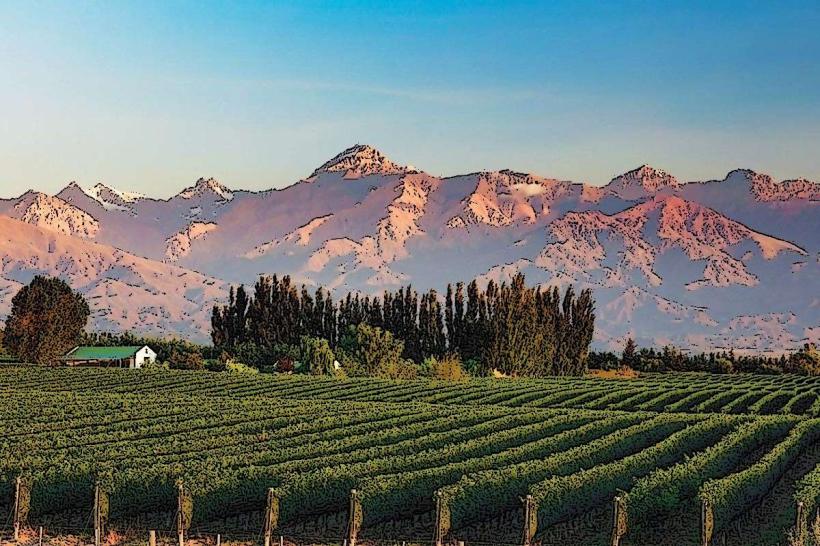
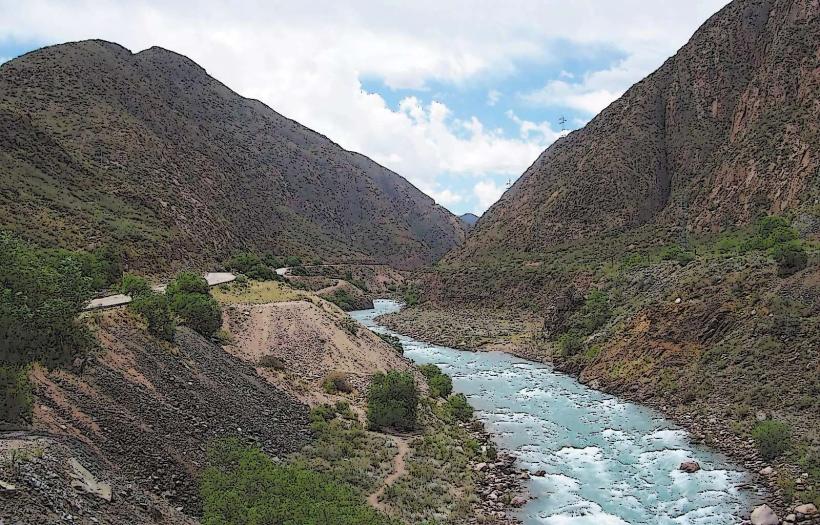
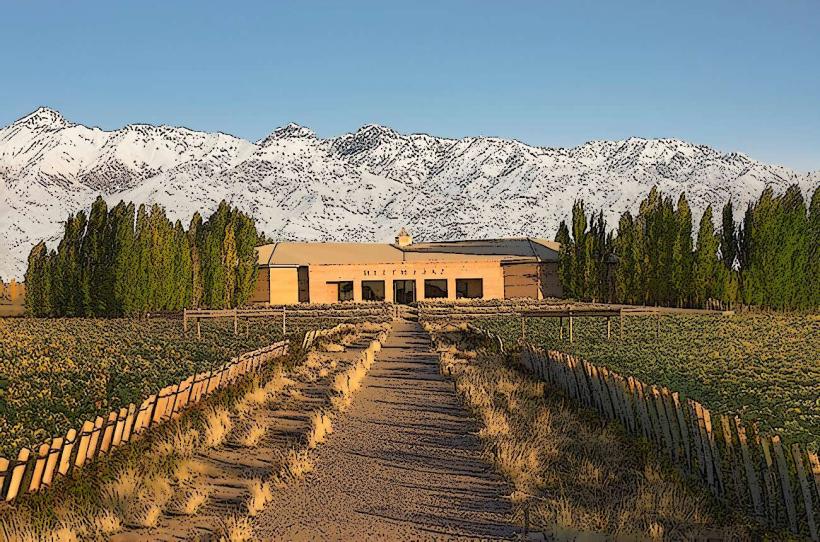
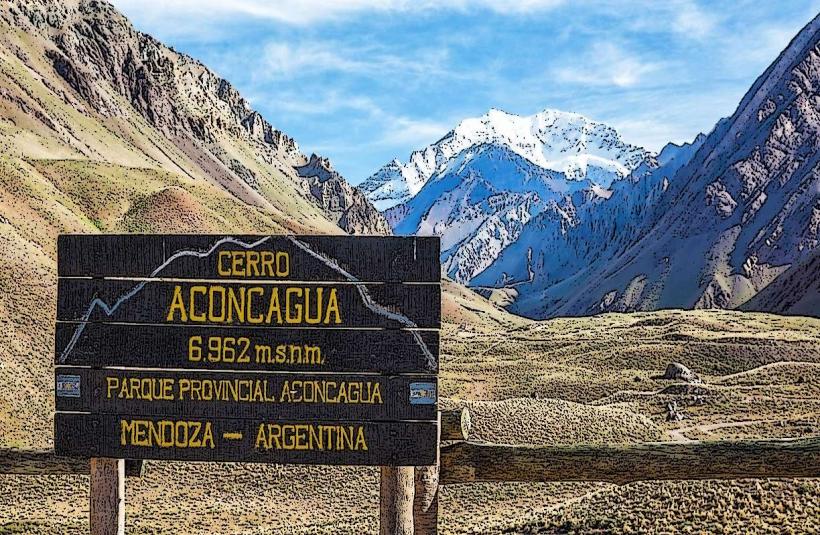
Aconcagua presents as a massive, snow-capped mountain with steep, rocky slopes. Its summit is permanently covered in snow and ice. The rock formations are primarily sedimentary and metamorphic, with visible scree fields at lower elevations. Vegetation is sparse, limited to hardy alpine grasses and shrubs in the foothills.
Location & Access Logistics
Aconcagua is situated within Aconcagua Provincial Park, approximately 112 kilometers northwest of Mendoza city. Access is via Provincial Route 7 (RP 7), a paved highway. The park entrance is located near Puente del Inca. Parking is available at the park entrance and at various base camps along the approach routes. Public transport options to the park entrance are limited; bus services operate from Mendoza to nearby towns, requiring onward transfer.
Historical & Ecological Origin
Aconcagua is a non-volcanic mountain formed by the uplift of the Andes mountain range during the Andean orogeny, a result of tectonic plate collision. Its geological history dates back millions of years. The mountain's ecological classification is alpine desert, characterized by extreme altitude, low temperatures, and high solar radiation.
Key Highlights & Activities
The primary activity is mountaineering, with various routes to the summit catering to different skill levels. Hiking is possible on lower trails within the park. Observation points offer views of the mountain's scale. Photography opportunities are significant, particularly during sunrise and sunset.
Infrastructure & Amenities
Basic facilities are available at the park entrance, including restrooms and limited food vendors. Cell phone signal is intermittent and generally unavailable at higher elevations. Shade is minimal on the mountain itself, with shelter provided by rock formations or constructed bivouacs on established routes.
Best Time to Visit
The optimal period for climbing Aconcagua is during the austral summer, from December to February, when weather conditions are most stable. The best time of day for photography is early morning for eastern-facing slopes and late afternoon for western-facing slopes, to utilize direct sunlight. High tide is not applicable to this mountain environment.
Facts & Legends
Aconcagua is believed to have been a sacred Inca site. Archaeological findings suggest it was a place of religious ceremonies. A notable historical oddity is the discovery of a well-preserved Inca mummy near the summit, indicating human presence at extreme altitudes centuries ago.
Nearby Landmarks
- Puente del Inca (0.5km West)
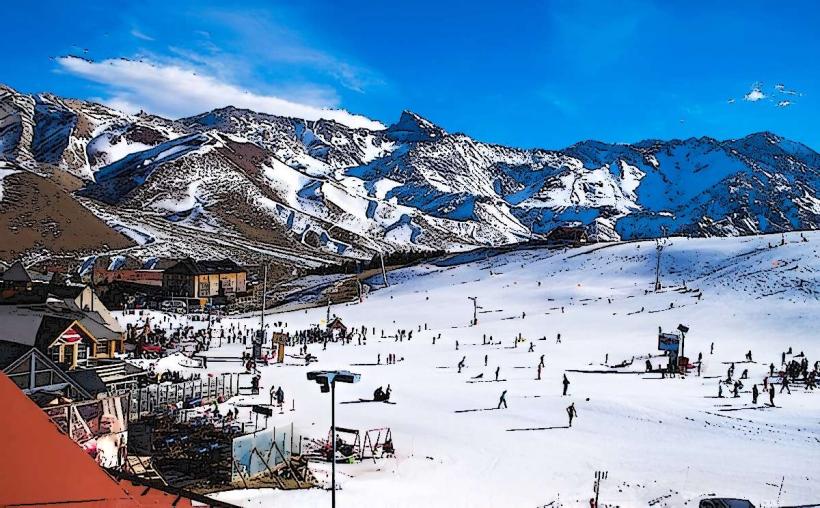
- Las Heras Ski Resort (25km Southwest)
- Potrerillos Dam (40km Southeast)
- Uspallata (50km Southeast)