Landmark: Adaklu Mountain
City: Ho
Country: Ghana
Continent: Africa
Adaklu Mountain, Ho, Ghana, Africa
Adaklu Mountain is a prominent volcanic monolith situated in the Adaklu District of the Volta Region, Ghana. Rising approximately 600 meters above sea level, it stands as one of the highest free-standing peaks in the country and serves as a major ecological and spiritual landmark for the surrounding Ewe communities.
Visual Characteristics
The mountain is a massive inselberg characterized by steep, rugged granite cliffs and a flat-topped summit. Its slopes are covered in a dense mosaic of deciduous forest, baobab trees, and coastal savannah thicket. The rock faces exhibit significant weathering, creating various crevices and small caves, while the summit offers a 360-degree view of the undulating Volta plains and the distant Togo mountain range.
Location & Access Logistics
The site is located approximately 12km south of Ho, the regional capital. Access is via the Ho-Aflao road, with the primary trailhead situated in the village of Adaklu Abuadi. Visitors can reach the base by private vehicle or by taking a "tro-tro" from the Ho Central Market toward Adaklu. A small visitor center at the foot of the mountain manages registration and provides mandatory local guides.
Historical & Ecological Origin
Adaklu Mountain is a geological formation resulting from the differential erosion of ancient metamorphic rocks. Ecologically, it is a biodiversity hotspot, home to various primate species, fruit bats, and rare butterflies. Historically, the mountain served as a strategic lookout and refuge for the Adaklu people during periods of tribal warfare, and it remains a central figure in local oral traditions and ancestral worship.
Key Highlights & Activities
Summit Trekking: A strenuous 2-to-3-hour climb leads to the peak; the path includes steep sections requiring the use of fixed ropes or roots for stability.
Birdwatching: The forest canopy provides habitat for numerous tropical bird species, making it a priority site for ornithologists.
Cultural Tours: Guides provide narratives on the mountain's role in the "Exodus of the Ewes" and its significance in traditional religious rites.
Cave Exploration: Several small, accessible caves along the lower slopes contain evidence of historical habitation.
Infrastructure & Amenities
Infrastructure at the mountain is minimal, focused on ecotourism.
Services: A basic visitor kiosk provides registration and guide services.
Connectivity: 4G/5G cellular signal is available at the base and on the summit but may drop in the dense forested ravines.
Facilities: There are no restrooms or food vendors on the mountain; visitors must carry all necessary water and supplies from Ho or Abuadi.
Best Time to Visit
The optimal time for climbing is the dry season from November to March, when the trails are firm and the risk of slipping is minimized. To avoid the intense afternoon heat, ascents should begin at dawn (06:00–07:00). Visibility from the summit is clearest after the Harmattan dust clears in late February or during the brief intervals of the rainy season (April–October), though the latter makes the descent hazardous.
Facts & Legends
Local legend describes the mountain as a living deity that protects the Adaklu people; it is said that the mountain "moves" or changes its appearance to confuse enemies during times of conflict. A unique historical oddity is the presence of the "Healer’s Stream," a seasonal water source halfway up the peak believed by traditional herbalists to possess potent medicinal properties for skin ailments.
Nearby Landmarks
Adaklu Abuadi Village – 1.0km North
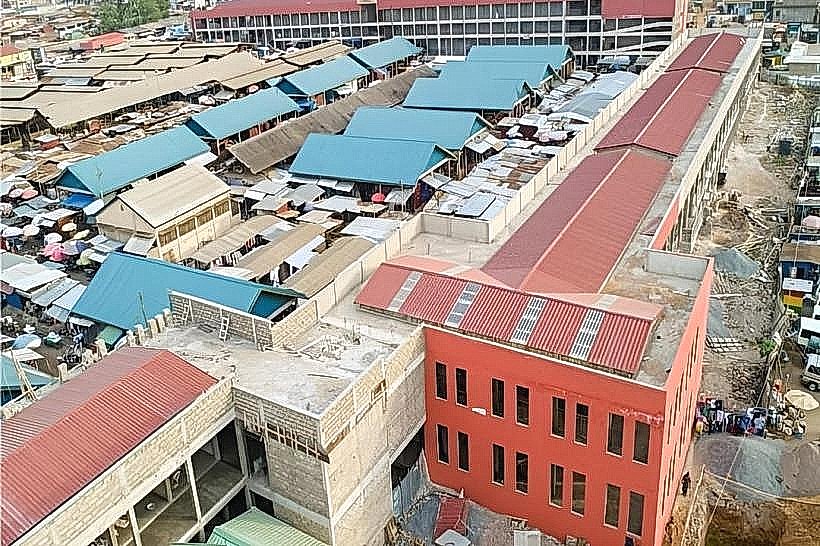
Ho Central Market – 12km North
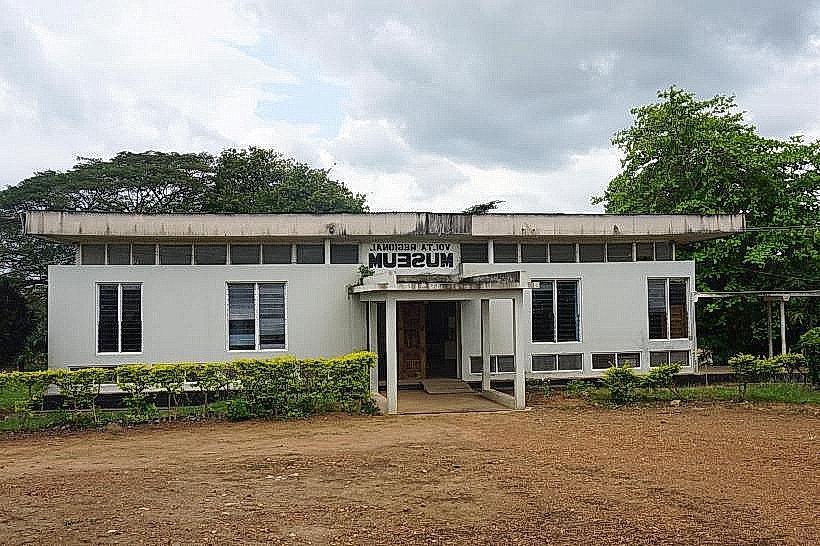
Volta Regional Museum – 13km North
Kalakpa Forest Reserve – 15km South
Ho Airport – 14km Northeast