Landmark: Volta Regional Museum
City: Ho
Country: Ghana
Continent: Africa
Volta Regional Museum, Ho, Ghana, Africa
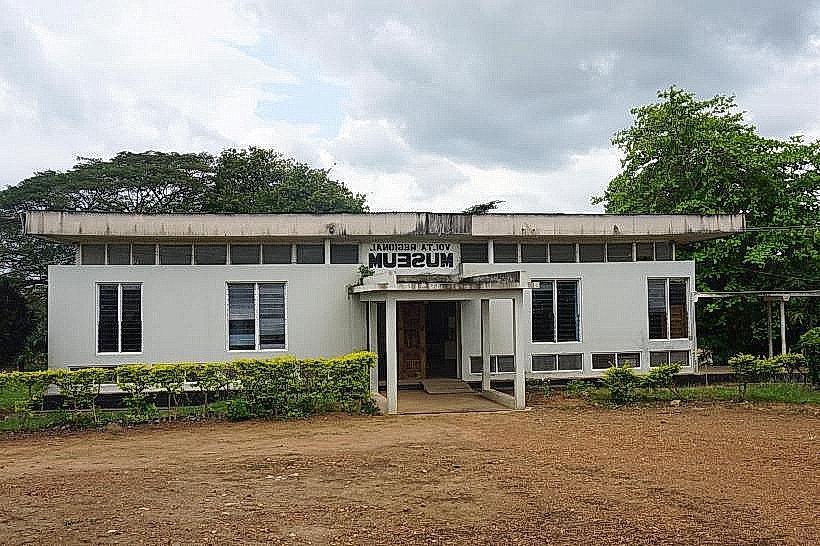
The Volta Regional Museum is a cultural institution in Ho, Ghana, dedicated to the preservation of the ethnographic and historical heritage of the Volta Region. It is housed in a colonial-era building that formerly served as the Office of the Regional Commissioner.
Visual Characteristics
The museum is situated within a colonial-style administrative building characterized by thick masonry walls and a wide, shaded veranda. The exterior is typically finished in a white and cream lime wash with large wooden-framed windows. The interior consists of several high-ceilinged galleries with polished concrete floors, where artifacts are displayed in glass cases and open-air arrangements. The grounds are landscaped with lawn areas and small tropical shrubs.
Location & Access Logistics
The site is located on the Glory-Road in the administrative heart of Ho, approximately 0.8km northwest of the Ho Central Market. It is easily accessible via the city’s shared taxi network or on foot from the central business district. Visitors can reach the museum from the main Ho-Accra road by following signs toward the Regional Coordinating Council. There is sufficient space for private vehicle parking within the museum’s gated perimeter.
Historical & Ecological Origin
The building was constructed during the British colonial administration and was officially converted into a museum in 1973. It was established by the Ghana Museums and Monuments Board to document the material culture of the Ewe people and other ethnic groups within the Volta Basin. The site sits on a gentle slope at the base of the Galenku hills, utilizing the natural elevated terrain of the regional capital.
Key Highlights & Activities
Ethnographic Exhibits: View traditional Ewe kente weaving tools, stools, and musical instruments including various sizes of carved drums.
Archaeological Gallery: Inspect ancient pottery fragments and stone tools recovered from local excavation sites.
Colonial History: Explore displays related to the German and British colonial periods, including old administrative documents and photographs.
State Regalia: Examine the traditional attire and ornaments used by regional paramount chiefs during state durbars.
Infrastructure & Amenities
The facility includes a reception desk, a small gift shop, and public restrooms for visitors. Shade is abundant on the wide building verandas and beneath the mature trees on the grounds. The museum has reliable 4G/5G cellular signal coverage. While there are no food vendors inside the museum gates, several cafes and restaurants are located within a 300-meter radius in the administrative district.
Best Time to Visit
The museum is open Monday through Friday from 09:00 to 16:30. Morning visits (09:00–11:00) provide the best environment for exploring the galleries before the peak midday temperatures. For photography of the colonial architecture, the early morning or late afternoon light is optimal. The facility is generally quiet during the week, making it ideal for academic study or focused viewing.
Facts & Legends
A unique historical oddity of the museum is its collection of German colonial relics, reflecting the period when Ho was part of Togoland under German rule before the British mandate. Local caretakers often share accounts of the building's transition from a center of colonial power to a repository of indigenous culture, symbolizing the reclaiming of regional identity.
Nearby Landmarks
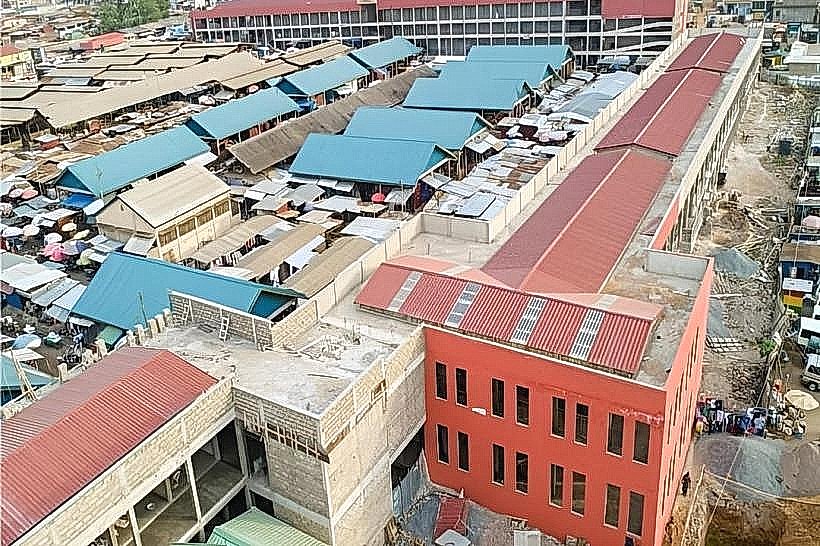
Ho Central Market – 0.8km Southeast
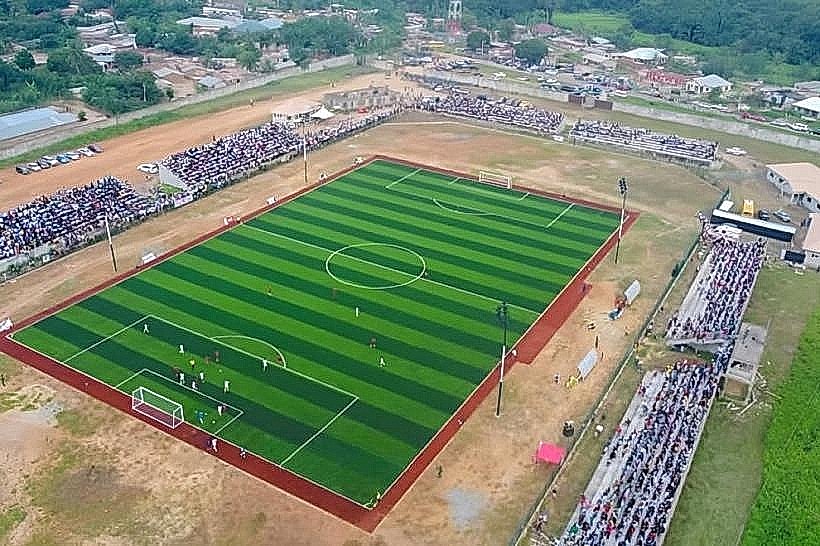
Ho Stadium – 1.0km Northeast
Ho Central Mosque – 1.1km Southeast
Galenku Hill – 2.5km North
Ho Technical University – 1.8km North