Landmark: Al Hujra Castle
City: Sohar
Country: Oman
Continent: Asia
Al Hujra Castle, Sohar, Oman, Asia
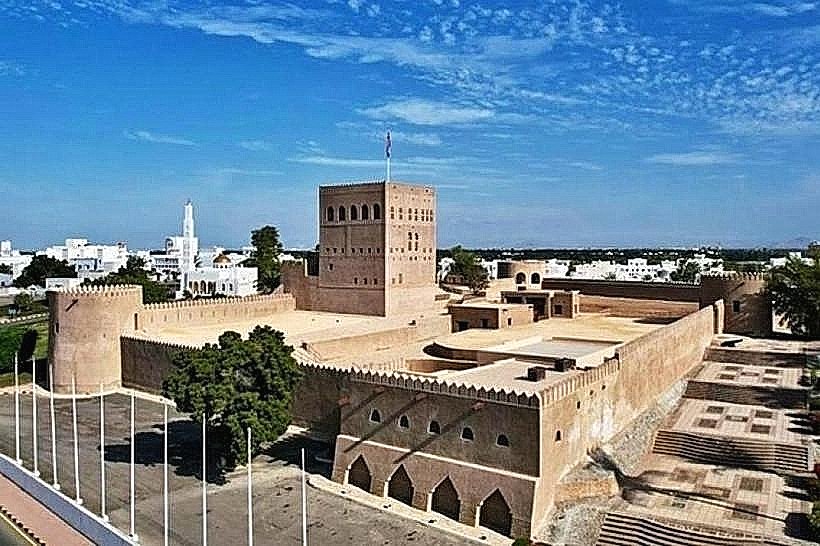
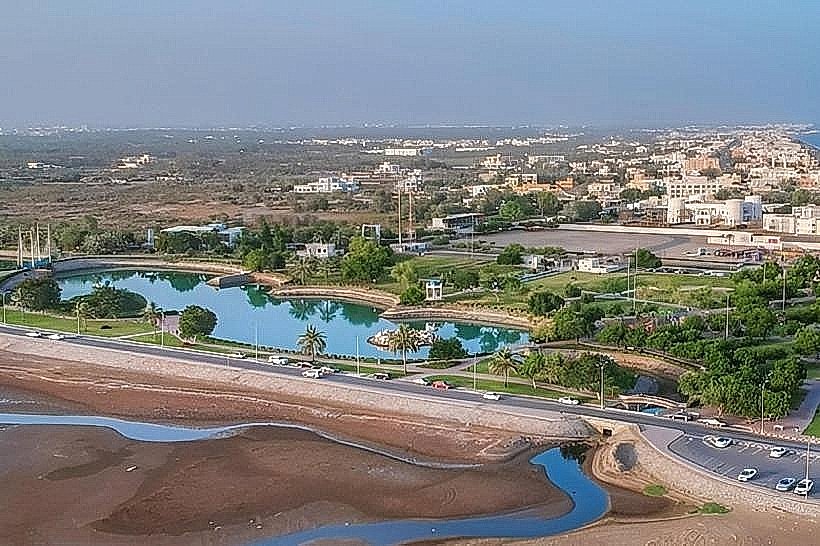
Al Hujra Castle (often associated with the primary fortification of Sohar) is a historic military structure located in the Al Hujrah district of Sohar, Al Batinah North Governorate. It is situated approximately 200km northwest of Muscat, positioned between the city's residential center and the coastline.
Visual Characteristics
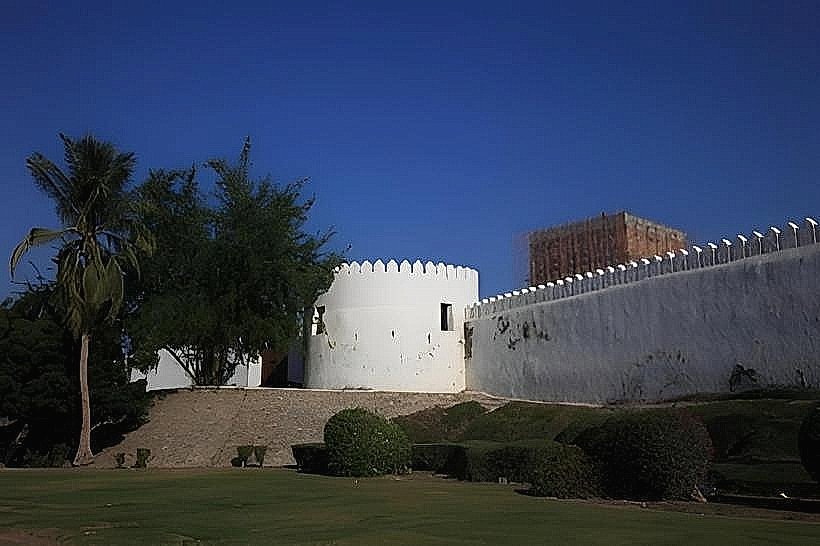
The castle features massive rectangular walls constructed from stone and mud-brick, finished with a traditional light-colored plaster. Its architecture is defined by tall cylindrical corner towers, crenellated battlements, and heavy arched gateways. The interior consists of multiple levels of living quarters, storage rooms, and a central courtyard, many of which have been restored to showcase traditional Omani woodcarvings and geometric plasterwork.
Location & Access Logistics
Access is via the Al Batinah Highway (Route 1), taking the exit for Sohar city center and following signs for the Al Hujrah or Al Qala'a districts. The site is reachable by all vehicle types via paved urban roads, and a large public parking area is located directly in front of the main entrance. Public transport (Mwasalat) serves the Sohar main station, from which the castle is a short taxi ride.
Historical & Ecological Origin
The fortification occupies a site that has been strategically significant since the pre-Islamic era, though the current structural form primarily dates to the 13th and 14th centuries with subsequent Portuguese and Omani modifications. It is built on a slightly elevated coastal mound composed of compacted sand and sedimentary rock, designed to oversee the maritime trade routes of the Gulf of Oman.
Key Highlights & Activities
Visitors can explore the ramparts and towers, which offer panoramic views of the Sohar Corniche and the surrounding palm groves. The interior serves as a museum housing archaeological finds from the Sohar region, including ancient copper artifacts and maritime navigation tools. The underground passages, historically used for troop movement and water access, are a primary point of interest.
Infrastructure & Amenities
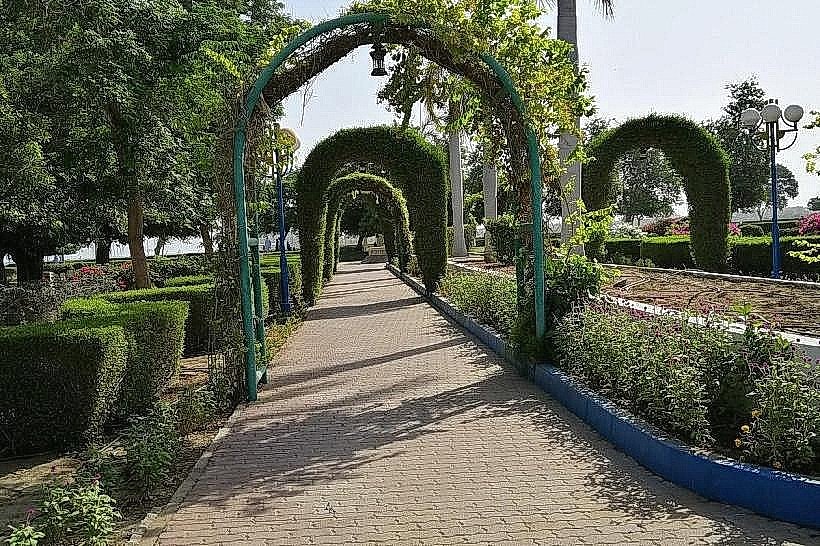
The castle complex includes a reception area, climate-controlled museum galleries, and public restrooms. Information placards are provided in both Arabic and English to explain the defensive features and historical timeline. 5G cellular signal is consistently strong throughout the site. Shaded seating is available in the manicured gardens surrounding the exterior walls.
Best Time to Visit
The winter months from November to March are the most suitable for exploring the unconditioned rooftops and towers. Morning visits (08:30–11:00) are recommended to avoid high coastal humidity. The site typically follows government operating hours, usually closing for a period in the early afternoon and remaining closed on Friday mornings.
Facts & Legends
A prominent local account suggests the castle was once connected to the nearby Friday Mosque via a secret tunnel used by the Imam during times of siege. A verified historical tip: the "Hujra" (meaning "chamber" or "room") refers specifically to the fortified residential quarters that once housed the regional governor, distinguishing it as a site of administrative power as well as military defense.
Nearby Landmarks
Sohar Fort (Adjacent)
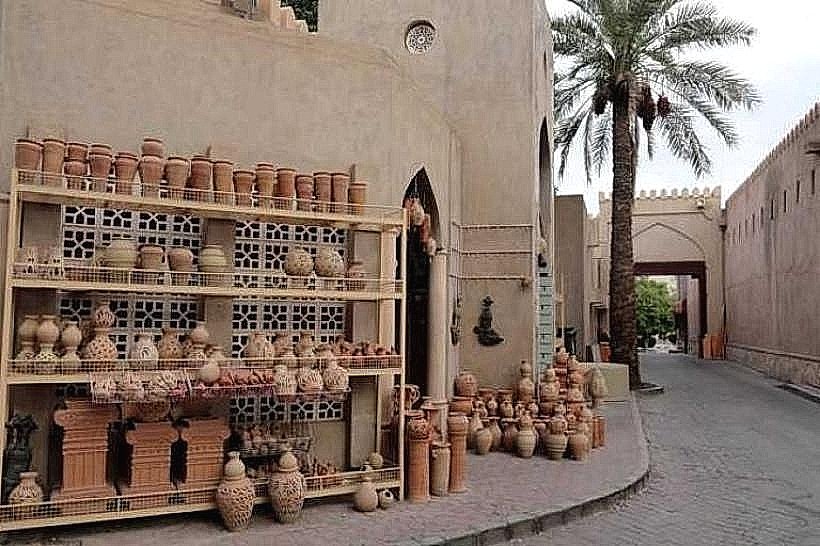
Sohar Old Souq (0.3km North)
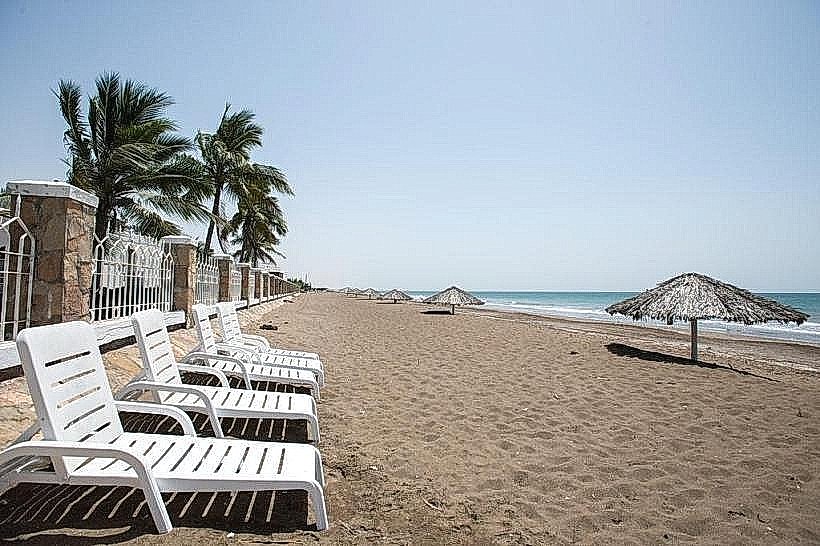
Sohar Corniche (0.4km East)
Sultan Qaboos Grand Mosque Sohar (4.0km Southwest)