Landmark: Barva Volcano
City: Heredia
Country: Costa Rica
Continent: North America
Barva Volcano, Heredia, Costa Rica, North America
Barva Volcano is an inactive stratovolcano located in the Central Volcanic Range of Costa Rica, north of the city of Heredia.
Visual Characteristics
The volcano features two main craters, the larger of which contains a deep, clear lake. The slopes are covered in dense, primary cloud forest vegetation, characterized by a high concentration of epiphytes, mosses, and ferns. The summit elevation reaches 2,906 meters (9,534 feet).
Location & Access Logistics
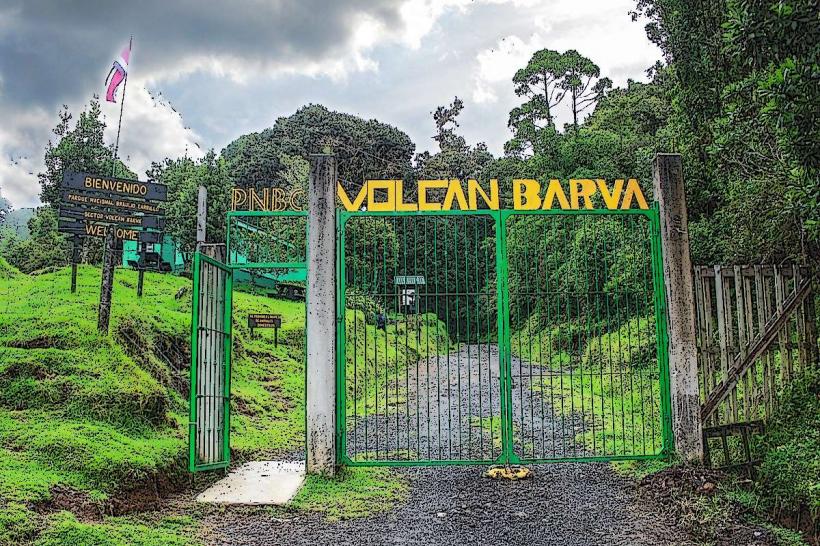
Access to Barva Volcano is primarily via the road leading to the Poás Volcano National Park. From Heredia city center, take Route 126 north towards Vara Blanca. Turn right onto the unpaved road marked for Barva Volcano National Park (Parque Nacional Volcán Barva). The drive is approximately 15 kilometers from Route 126. Parking is available at the national park entrance. Public transport options are limited; a taxi or private vehicle is recommended. The nearest bus routes do not directly service the volcano's entrance.
Historical & Ecological Origin
Barva Volcano is classified as a stratovolcano, formed by repeated eruptions of lava and ash over geological time. Its last known eruption occurred approximately 8,000 years ago. The surrounding cloud forest is an integral part of the Talamancan montane forests ecoregion, supporting a high level of biodiversity.
Key Highlights & Activities
Hiking is the primary activity. The main trail leads to the summit craters and lakes. A secondary trail, the "Laguna Danta" trail, offers a shorter loop through the forest. Birdwatching is also a significant draw due to the diverse avian species present in the cloud forest habitat.
Infrastructure & Amenities
Restrooms are available at the national park ranger station near the entrance. Limited shade is provided by the dense forest canopy. Cell phone signal is generally unreliable within the park boundaries. No food vendors are present within the national park; visitors should bring their own provisions.
Best Time to Visit
The best time of day for photography is generally in the morning before cloud cover typically builds up. The dry season, from December to April, offers more predictable weather. The volcano is accessible year-round, but rain is frequent, especially in the afternoons.
Facts & Legends
Local indigenous legends associate the volcano with spirits and ancient rituals. A specific point of interest is the "Laguna Escondida" (Hidden Lagoon), a smaller, less accessible crater lake that is often shrouded in mist.
Nearby Landmarks
- Poás Volcano National Park (10km Southwest)
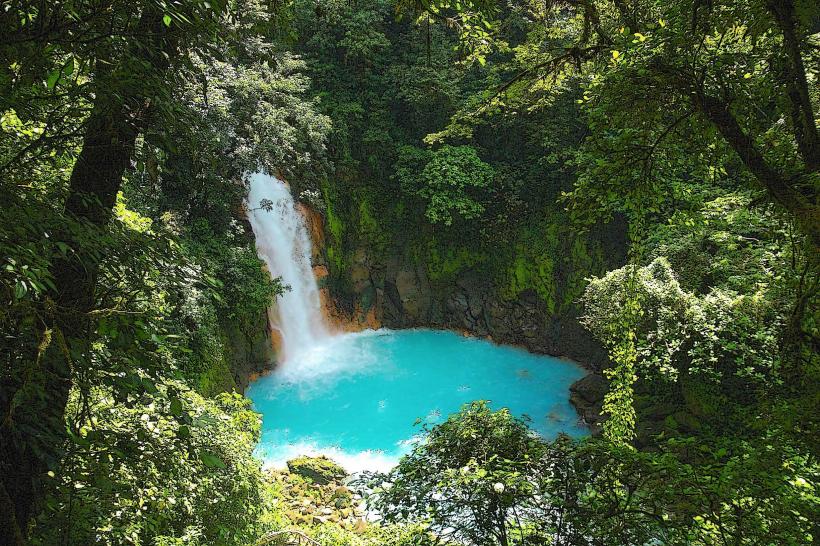
- La Paz Waterfall Gardens (12km Southeast)
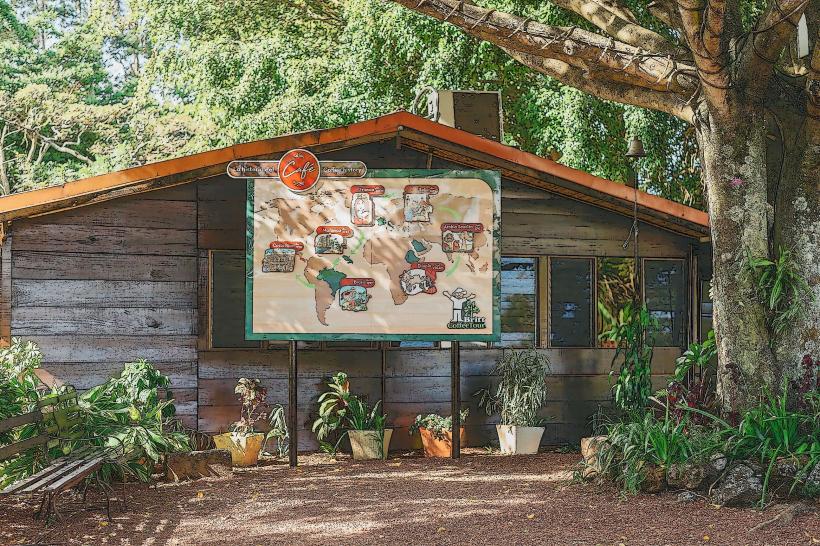
- Doka Estate Coffee Tour (15km Southwest)
- Braulio Carrillo National Park (20km East)