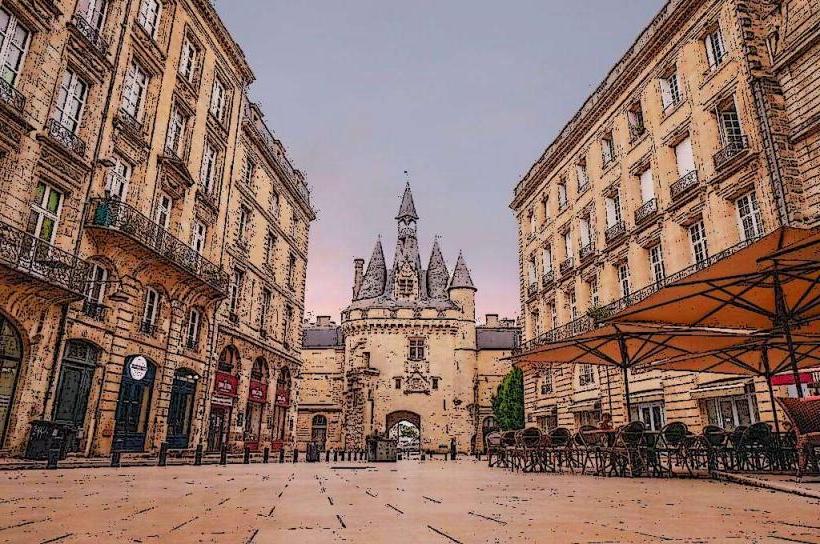
Landmark: Bordeaux Historic Center
City: Bordeaux
Country: France
Continent: Europe
Bordeaux Historic Center, Bordeaux, France, Europe
The Bordeaux Historic Center, primarily the Port of the Moon district, is a 1,810-hectare UNESCO World Heritage site. It represents the largest urban ensemble ever honored by UNESCO, characterized by its consistent 18th-century Enlightenment architecture and its crescent-shaped layout along the Garonne River.
Visual Characteristics
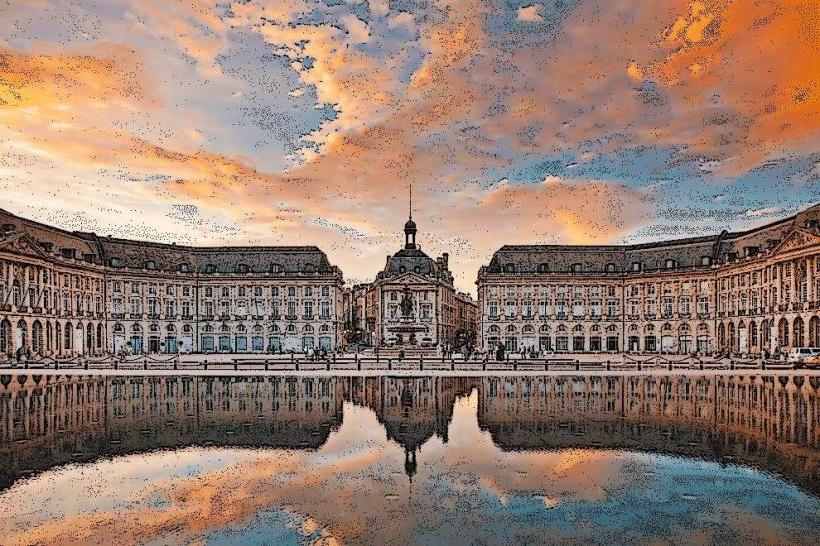
The district is defined by uniform, honey-colored limestone facades, wrought-iron balconies, and slate roofs. It features wide, neoclassical boulevards and monumental squares. Architectural highlights include the Grand Théâtre, with its 12 Corinthian columns, and the Place de la Bourse. In contrast, the Saint-Pierre and Saint-Michel neighborhoods retain medieval elements with narrow, winding streets and timber-framed structures.
Location & Access Logistics
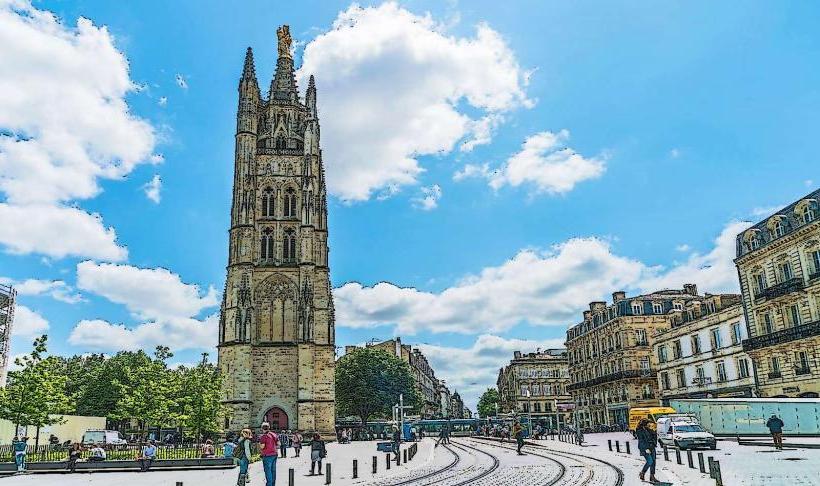
The center is located on the Garonne's left bank. It is the hub of the TBM (Transports Bordeaux Métropole) network, with Tram Lines A, B, C, and D intersecting at Hôtel de Ville and Quinconces. Most of the core is pedestrianized, specifically the Rue Sainte-Catherine. Major underground parking facilities include Parking Indigo Bourse and Parking République.
Historical & Ecological Origin
The city transitioned from a medieval fortress to a modern port in the 18th century under the direction of Intendants like Tourny and architects like Gabriel. The "Port of the Moon" name refers to the river's curve. Geologically, the area sits on alluvial soil, which influenced the height of the buildings and the drainage systems required for the marshy land near the river.
Key Highlights & Activities
Place de la Bourse & Miroir d’Eau: The city's primary visual landmark.
Rue Sainte-Catherine: A 1.2-kilometer pedestrian street, one of the longest shopping thoroughfares in Europe.
Cathédrale Saint-André: A Romanesque and Gothic monument where Eleanor of Aquitaine married Louis VII.
Porte Cailhau & Grosse Cloche: Preserved medieval defensive gates.
Quincunx Square (Place des Quinconces): One of the largest city squares in Europe, featuring the Monument aux Girondins.
Infrastructure & Amenities
The district contains the central Tourist Office (near Quinconces). Public restrooms are located at the Place de la Bourse and the Marché des Capucins. High-density 5G coverage is consistent. The area is densely packed with "Bordelais" restaurants, wine bars (cavistes), and luxury boutiques.
Best Time to Visit
Optimal exploration occurs between 09:00 and 11:00 before retail crowds peak. The "Quais" (docks) are best at sunset for photography of the reflected facades. The city holds the "Bordeaux Fête le Vin" festival biennially in June, which significantly increases tourist density along the waterfront.
Facts & Legends
Bordeaux contains over 350 protected historical monuments, second only to Paris in France. Legend states that the Grosse Cloche (Great Bell) was so loud that its ringing could be heard as far as the vineyards of Pessac; it was historically used to signal the start of the harvest or to warn of fires.
Nearby Landmarks
Grand Théâtre de Bordeaux – 0.1km North (Center)
Cathédrale Saint-André – 0.5km Southwest
Miroir d'Eau – 0.3km East
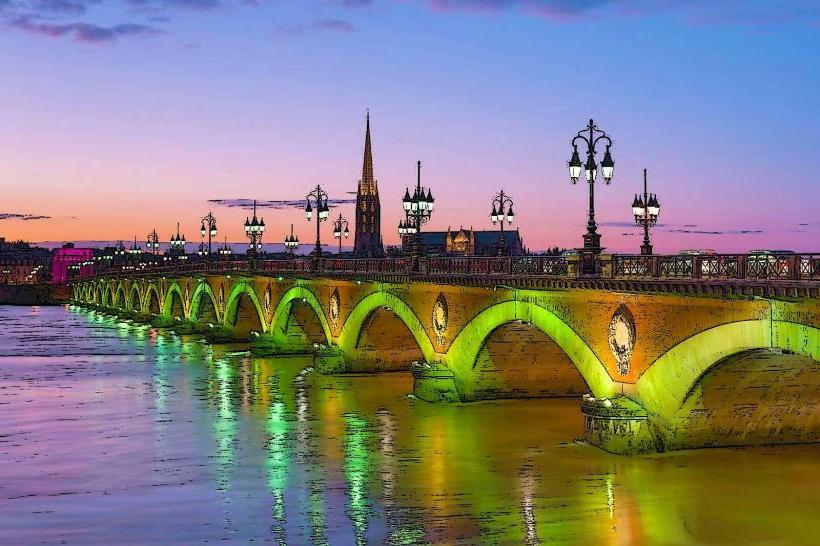
Pont de Pierre – 0.9km Southeast
Basilique Saint-Michel – 1.2km South