Landmark: Bruhlsche Terrasse
City: Dresden
Country: Germany
Continent: Europe
Bruhlsche Terrasse, Dresden, Germany, Europe
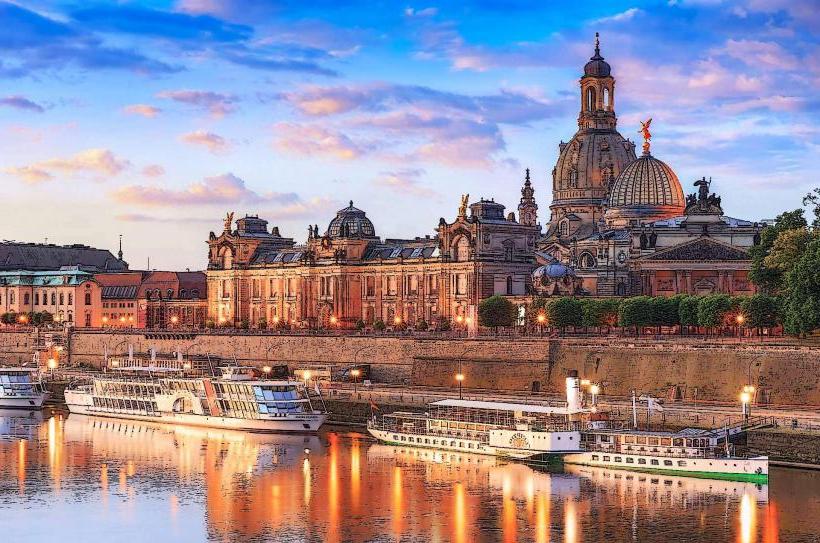
Brühlsche Terrasse (Brühl's Terrace) is a historic architectural ensemble and promenade in Dresden, frequently referred to as the "Balcony of Europe." It stretches approximately 500 meters along the Elbe River.
Visual Characteristics
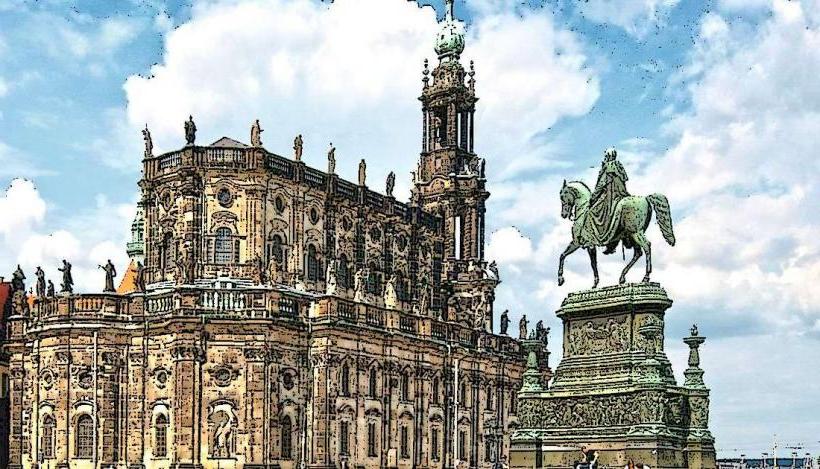
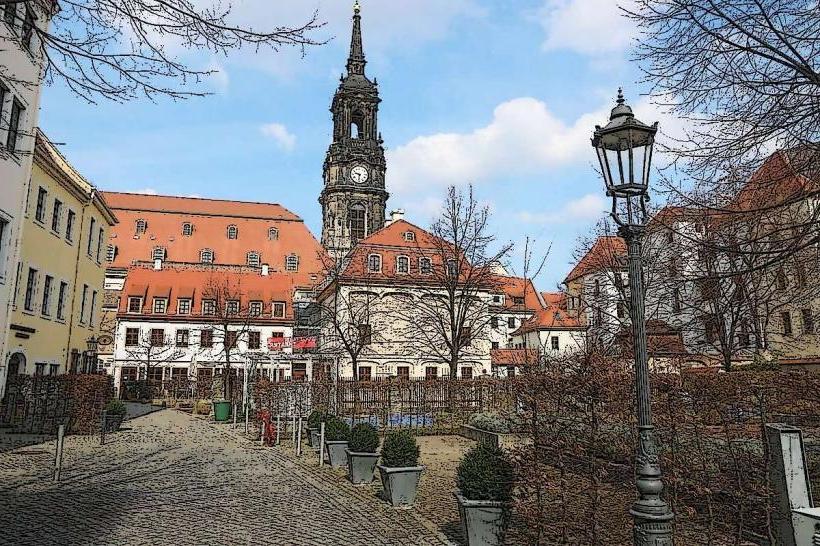
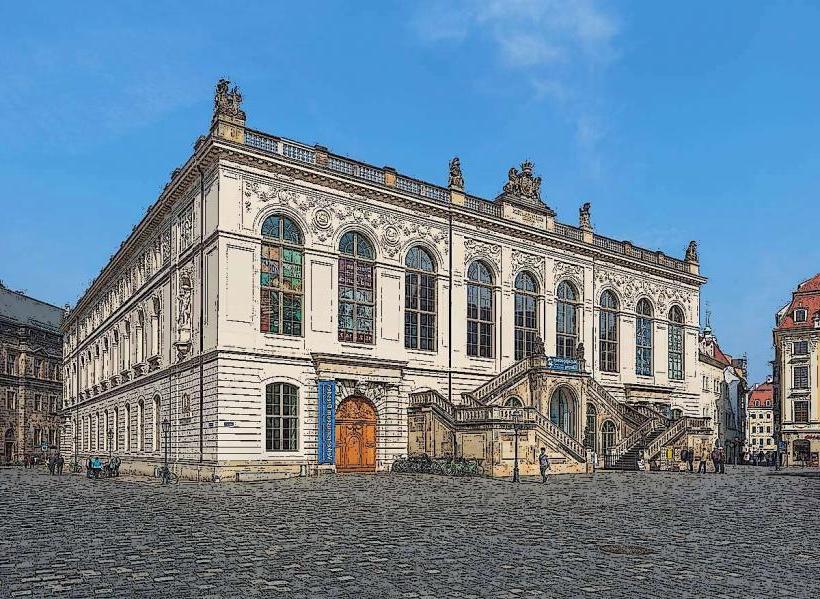
The terrace is an elevated promenade situated above the riverbank, supported by massive stone fortifications. It is lined with monumental buildings in Renaissance and Baroque styles, punctuated by sculptures, manicured gardens, and viewpoints. The surface is paved with sandstone, offering panoramic views of the Elbe and the northern "Neustadt" district.
Location & Access Logistics
Located at Georg-Treu-Platz 1, 01067 Dresden.
Public Transit: Served by Tram lines 3, 7, 8, 9 at the Synagoge stop or 4, 8, 9 at Theaterplatz.
Access: The terrace itself is a public space and is free to enter, accessible 24/7.
Museum Access: The Festung Xperience (Dresden Fortress), located underneath the terrace, requires a paid ticket.
Parking: Use "Tiefgarage Frauenkirche" or "Tiefgarage am Schloss."
Historical & Structural Origin
The terrace was originally part of Dresden's city fortifications built in the 16th century. In the 1740s, Count Heinrich von Brühl converted the ramparts into a private gallery and garden. It was opened to the public in 1814. After the total destruction of the city in 1945, the terrace and its surrounding buildings were extensively reconstructed to restore the historic riverfront silhouette.
Key Highlights & Activities
The Sächsisches Ständehaus: A grand building that formerly housed the Saxon Parliament.
The Academy of Fine Arts (Kunstakademie): Notable for its glass dome, often called the "Lemon Squeezer" (Zitronenpresse).
Festung Xperience: An immersive multimedia museum located in the casemates (vaults) beneath the terrace, detailing the city's 450-year-old fortification history.
The Albertinum: A modern art museum located at the eastern end of the terrace.
Moritz Monument: The oldest surviving monument in Dresden, integrated into the fortification wall.
Infrastructure & Amenities
The terrace is equipped with several benches and viewing platforms. While the main promenade is accessible via various ramps and elevators (such as near the Schlossplatz or the Albertinum), some sections feature historic cobblestones and stairs. Several cafés and restaurants are located at the street level below or within the adjacent buildings. 5G signal is exceptional.
Best Time to Visit
Sunset: To observe the light reflecting off the sandstone buildings and the Elbe river.
Early Morning: For a quiet walk before the arrival of tour groups.
December: The terrace offers a vantage point overlooking the Christmas markets and illuminated riverboats.
Facts & Legends
A technical oddity is the Böttger-Stele, which commemorates Johann Friedrich Böttger. Legend and history state that Böttger, while being held "captive" in the vaults beneath the terrace by Augustus the Strong, successfully invented European hard-paste porcelain (Meissen porcelain) in 1708. Historically, the terrace’s height was designed precisely to keep the royal gardens safe from the frequent flooding of the Elbe.
Nearby Landmarks
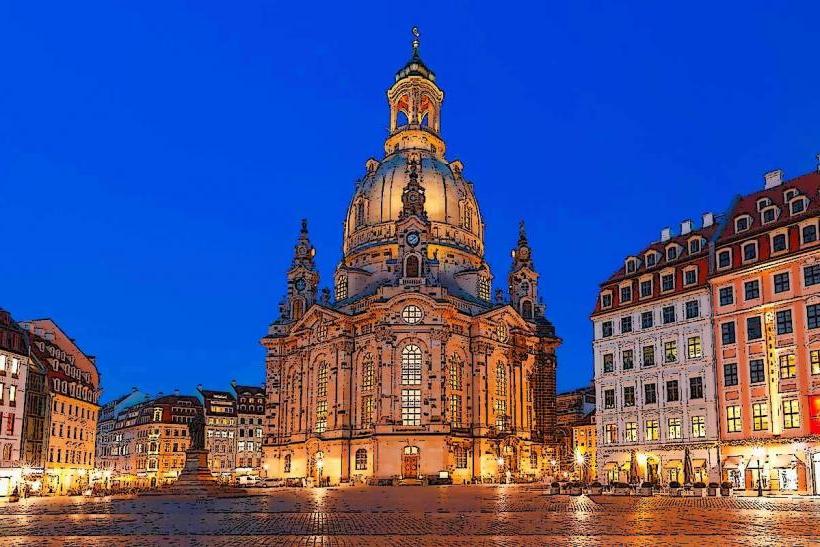
Frauenkirche – 0.2km South
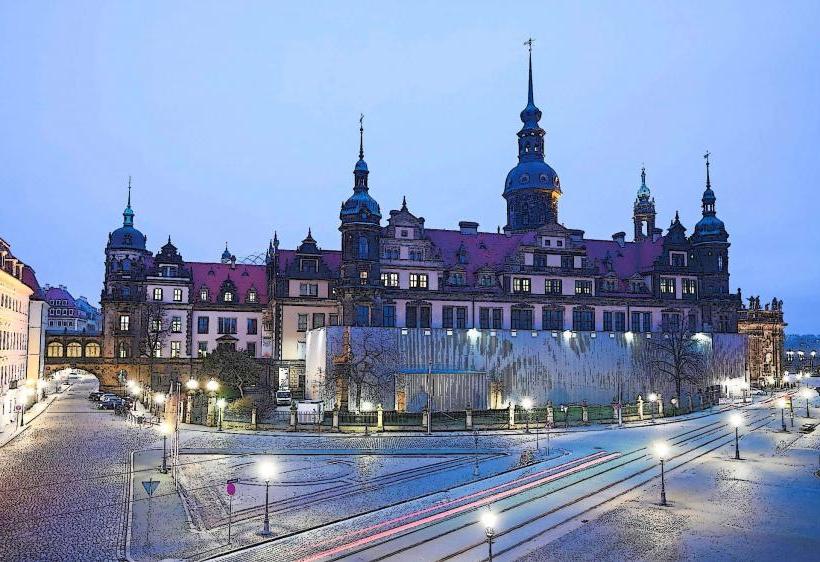
Dresden Royal Palace – 0.2km West
Albertinum – Adjacent (East)
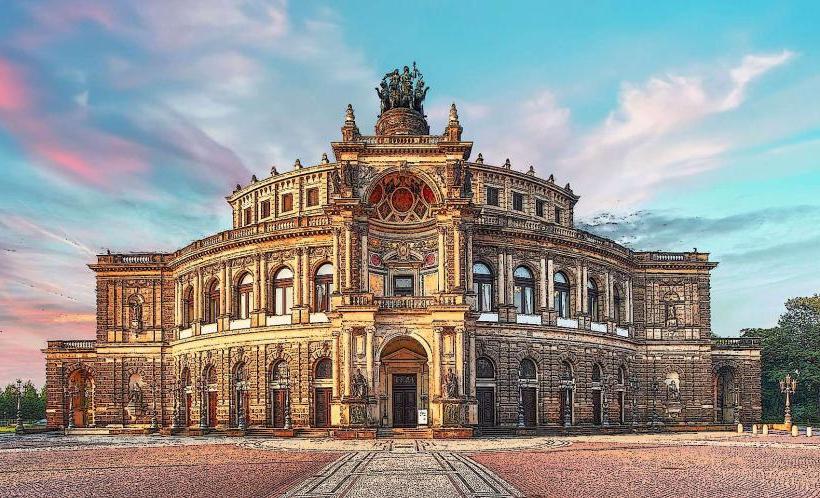
Semperoper – 0.4km West