Landmark: Dresden Neustadt
City: Dresden
Country: Germany
Continent: Europe
Dresden Neustadt, Dresden, Germany, Europe
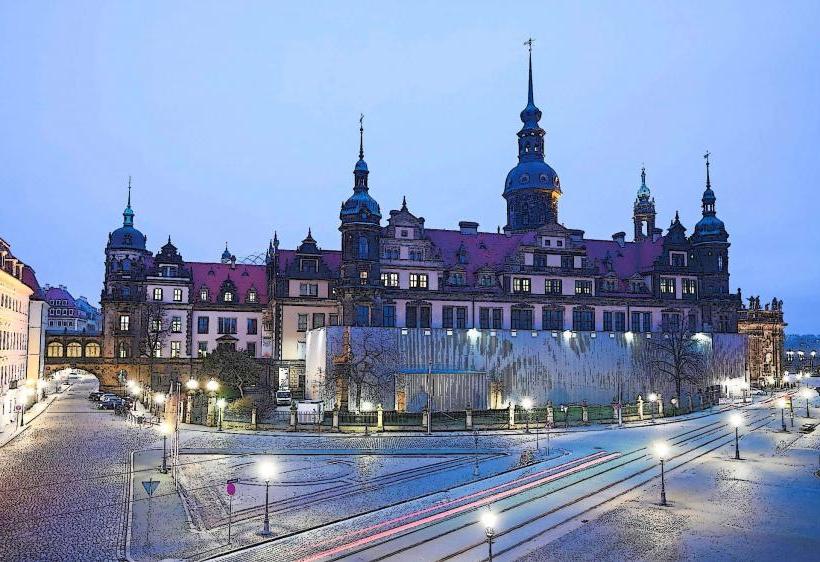
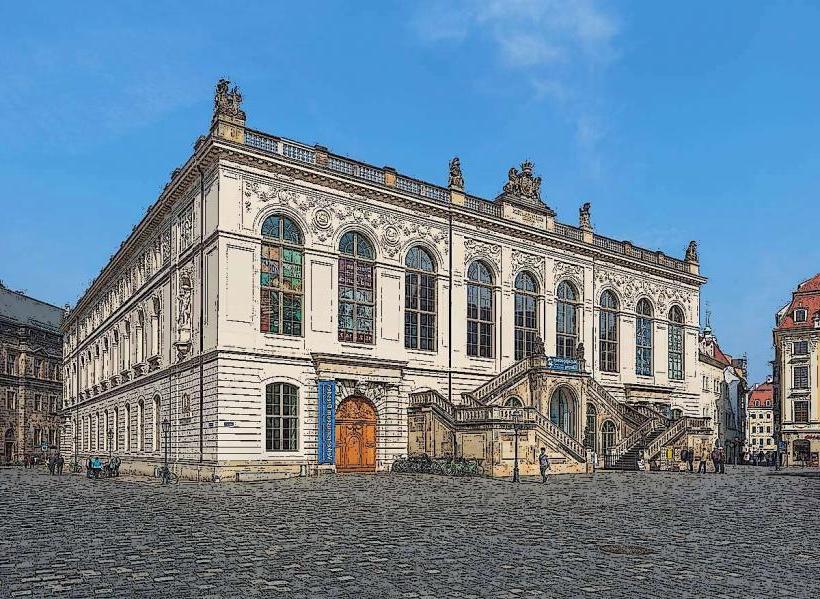
Dresden Neustadt (New Town) is a district located on the northern bank of the Elbe River. Despite its name, the "Innere Neustadt" (Inner New Town) contains some of the city's oldest Baroque structures, while the "Äußere Neustadt" (Outer New Town) is the center of Dresden’s alternative, artistic, and nightlife scenes.
Visual Characteristics
The district is divided into two distinct aesthetic zones. The Innere Neustadt features broad, planned Baroque boulevards and the monumental "Golden Horseman" statue. In contrast, the Äußere Neustadt is characterized by dense 19th-century Gründerzeit architecture, narrow streets covered in street art, and the intricate "Kunsthofpassage" with its musically themed facades.
Location & Access Logistics
Located directly across the Augustus Bridge from the Old Town (01097/01099).
Public Transit: Major hub is Albertplatz (Tram lines 3, 6, 7, 8, 11) and the Dresden-Neustadt railway station (S-Bahn and long-distance trains).
Access: Open public district. Most galleries and shops in the Outer New Town open late (after 11:00 AM).
Parking: Extremely difficult in the Outer New Town; use "Parkhaus Hauptstraße" in the Inner New Town.
Historical & Ecological Origin
The "New Town" was rebuilt after a catastrophic fire in 1685 destroyed the former village of Altendresden. Augustus the Strong redesigned it as a "Baroque City." While the Old Town was decimated in 1945, much of the Äußere Neustadt survived the bombings, preserving its original 19th-century tenements and making it one of the largest contiguous areas of its kind in Germany.
Key Highlights & Activities
The Golden Horseman (Goldener Reiter): A copper statue of Augustus the Strong covered in gold leaf.
Pfunds Molkerei: Often cited as the "most beautiful dairy shop in the world," decorated with hand-painted Villeroy & Boch tiles.
Kunsthofpassage: A series of five courtyards featuring creative architectural designs, including walls that "play music" when it rains.
Alaunpark: A large green space at the northern edge that serves as the primary social meeting point for locals.
Bautzner Straße Memorial: A former Stasi prison converted into a museum and memorial site.
Infrastructure & Amenities
Neustadt contains the highest density of bars, clubs, and independent boutiques in Dresden. It is the city's primary center for international cuisine and vegan/vegetarian dining. 5G coverage is comprehensive. Most major thoroughfares are wheelchair accessible, though side streets in the Outer district feature uneven historic cobblestones.
Best Time to Visit
Evening: For the nightlife and "Kneipenmeile" (pub mile) atmosphere.
June: For the BRN (Bunte Republik Neustadt), a massive three-day street festival.
Saturday Mornings: For the flea markets along the Elbe riverbanks.
Facts & Legends
A technical oddity is that the "New Town" is actually older in some parts than the reconstructed "Old Town." Locally, the Äußere Neustadt declared itself the "Bunte Republik Neustadt" (Colorful Republic of Neustadt) from 1990 to 1993, a micronation established during the chaotic transition period after the fall of the Berlin Wall.
Nearby Landmarks
Japanese Palace (Japanisches Palais) – 0.5km West
Elbe River Meadows (Elbwiesen) – Adjacent (South)
Augustus Bridge – Connecting link to Old Town
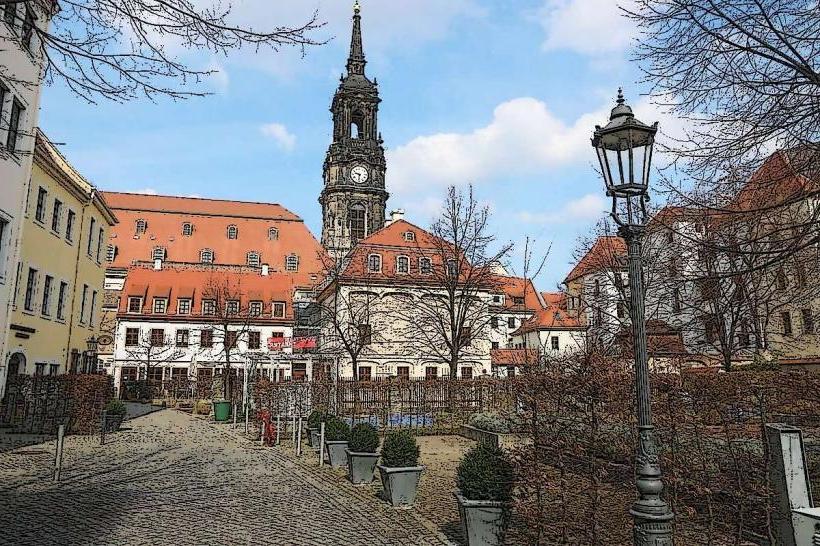
Dreikönigskirche – 0.3km North of the Elbe