Landmark: Calea Victoriei
City: Bucharest
Country: Romania
Continent: Europe
Calea Victoriei, Bucharest, Romania, Europe
Calea Victoriei is a major avenue in Bucharest, Romania, running from the city center towards the north-west.
This historic street serves as a primary artery for commerce, culture, and transportation within the Romanian capital.
Visual Characteristics
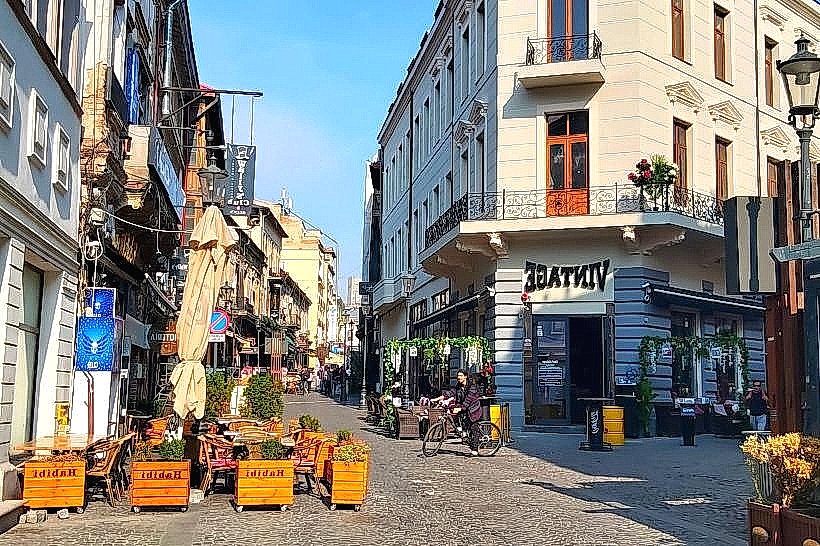
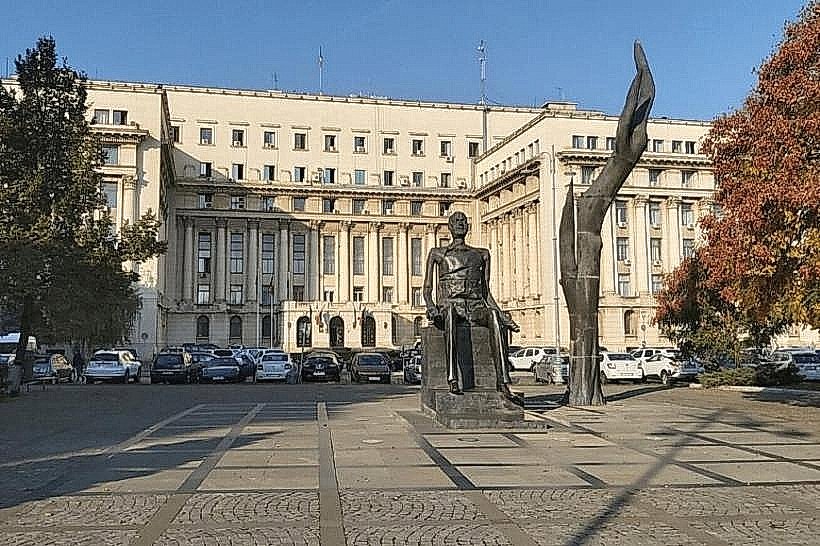
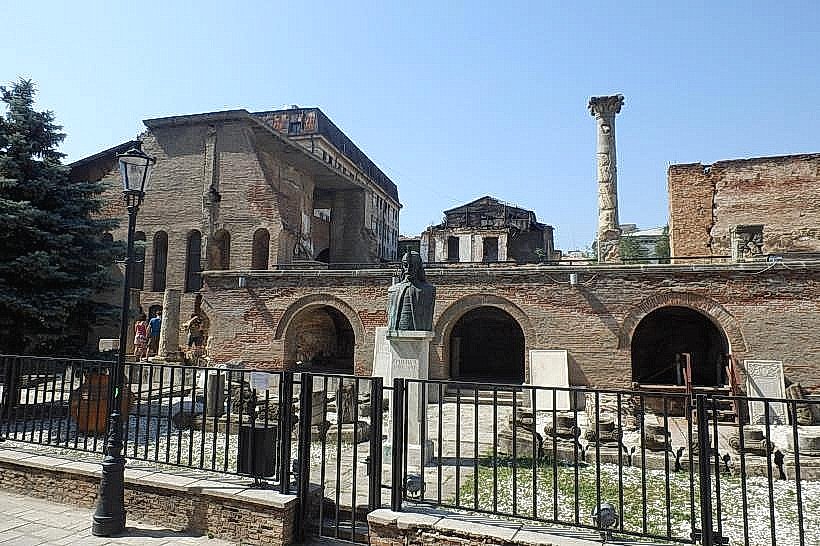
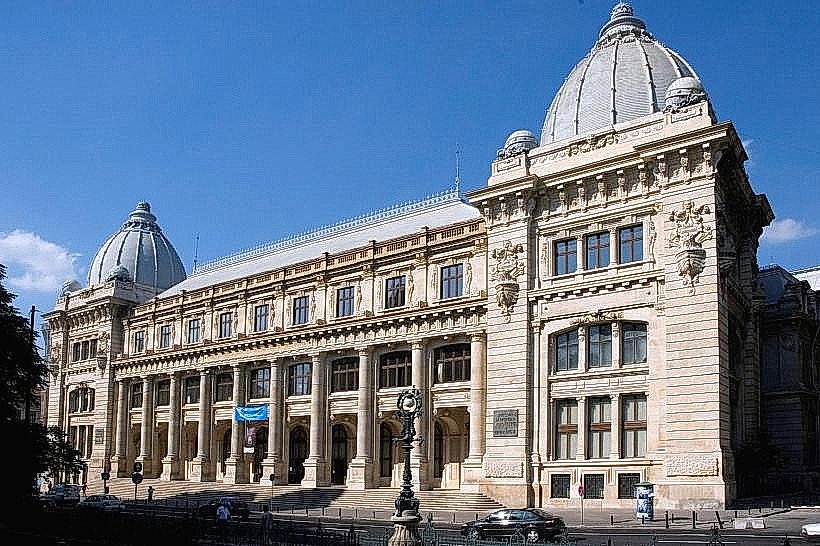
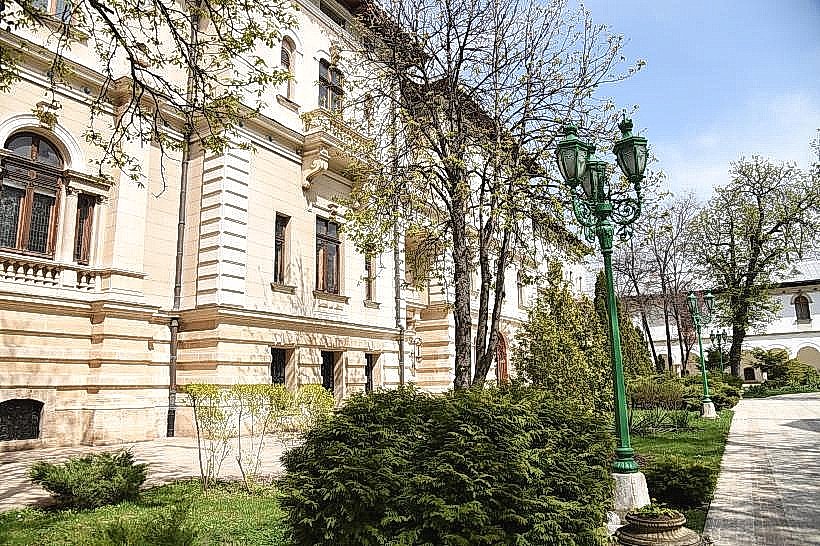
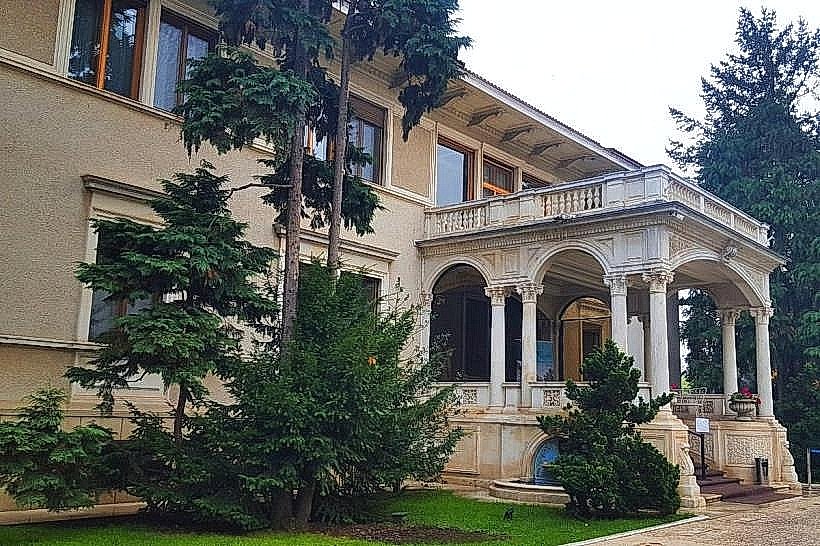
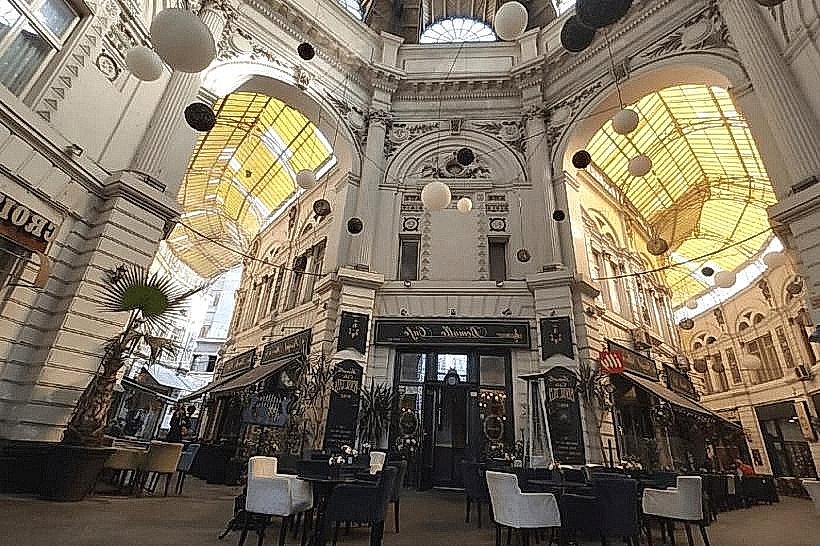
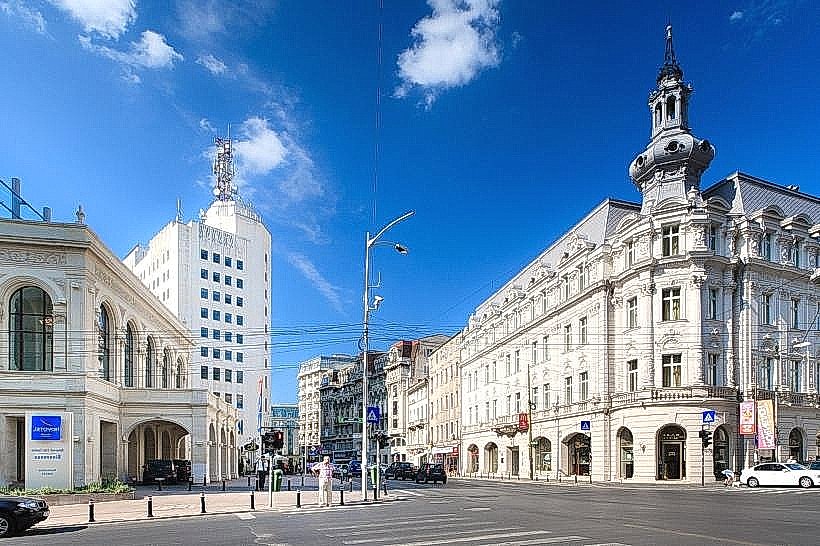
Calea Victoriei is characterized by its 19th and early 20th-century architecture, featuring a mix of neoclassical, eclectic, and Art Nouveau styles. Buildings are primarily constructed from brick and stone, often painted in muted tones of cream, ochre, and pale grey, with decorative facades and ornate detailing. The avenue is wide, with multiple lanes of traffic and sidewalks lined with mature trees. Streetlights are typically cast iron, and decorative paving stones are used in some sections.
Location & Access Logistics
Calea Victoriei extends approximately 2.7 kilometers from the intersection with Splaiul Independenței and Bulevardul Națiunile Unite in the south to Piața Victoriei in the north. It is centrally located within Bucharest. Access is readily available via numerous public transport options. Metro stations serving the avenue include Universitate (M2 line), Piața Romană (M2 line), and Piața Victoriei (M1 and M2 lines). Numerous bus lines, including 104, 123, 137, 178, 381, and 601, operate along or cross Calea Victoriei. Vehicle access is permitted, with parking available in designated paid lots and on some side streets, though it can be congested. The nearest major airport is Henri Coandă International Airport (OTP), approximately 16.5 km north of the avenue's northern end.
Historical & Ecological Origin
The origin of Calea Victoriei dates back to the 17th century when it was a dirt path known as Drumul Gorganului. It was later paved and renamed in 1878 to commemorate Romania's victory in the Russo-Turkish War. The avenue was significantly developed during the late 19th and early 20th centuries, becoming the showcase for Bucharest's burgeoning modernity and architectural ambition. Many of the prominent buildings lining the street were constructed during this period, housing government ministries, cultural institutions, and commercial enterprises.
Key Highlights & Activities
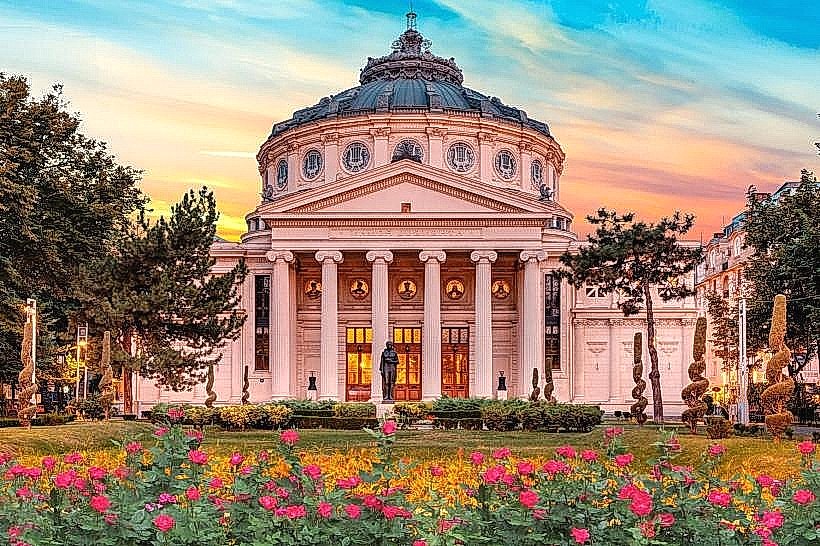
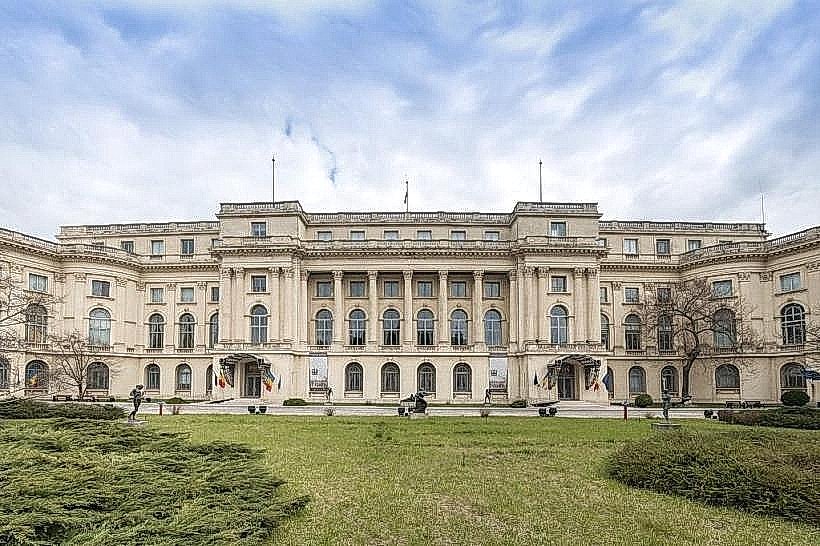
Visitors can explore the National Museum of Art of Romania, housed in the former Royal Palace. The Romanian Athenaeum, a concert hall, is accessible for performances and tours. The historic CEC Palace, with its distinctive architecture, is a notable landmark. Shopping is a primary activity, with a range of international and local brands. Walking the avenue allows for observation of the diverse architectural styles. Photography of the building facades is recommended.
Infrastructure & Amenities
Restrooms are available within many public buildings and commercial establishments along the avenue. Shade is provided by trees lining the sidewalks in many sections. Cell phone signal (4G/5G) is generally strong throughout the avenue. Numerous cafes, restaurants, and small food vendors are located along Calea Victoriei and its side streets, offering a variety of dining options.
Best Time to Visit
For photography of building facades, the best time of day is late morning or mid-afternoon when sunlight illuminates the architectural details. The months of April to June and September to October offer pleasant weather for walking and outdoor activities, with average temperatures ranging from 15°C to 25°C. Winter months can be cold, with temperatures often below freezing.
Facts & Legends
A specific architectural detail to note is the presence of the Romanian Athenaeum's dome, which is covered in copper. It is said that during the communist era, attempts were made to obscure the royal symbols on some buildings, but many of these were later restored.
Nearby Landmarks
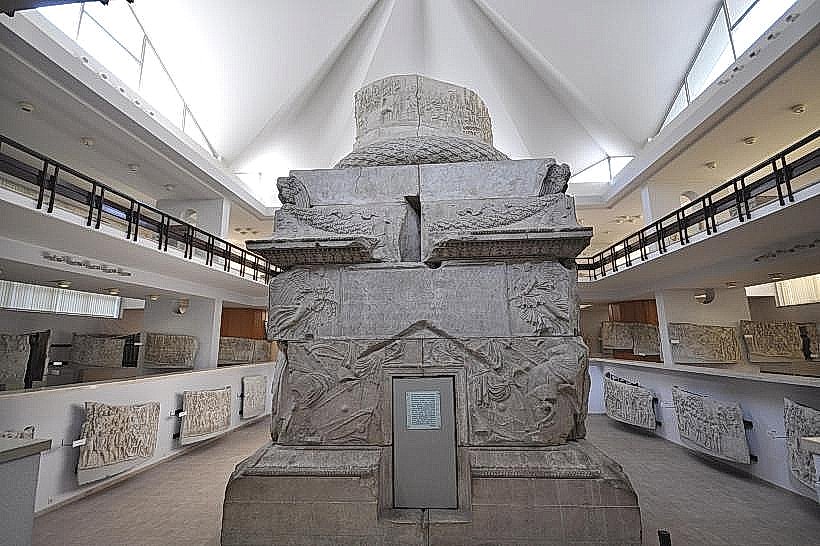
- 0.3km South-West: National Museum of Romanian History
- 0.5km South: Stavropoleos Monastery
- 0.8km South-East: Curtea Veche (Old Princely Court)
- 1.2km North: Revolution Square
- 1.5km North-West: National Military Circle